Written by: Mariana Fonseca, Editorial Team, AI Growth Agent
Key Takeaways for B2B AI Visibility
- AI-generated content now drives 17% of top Google rankings, while traditional search traffic drops 25% by 2026, so AI citation becomes critical for B2B visibility.
- AI Growth Agent leads with autonomous programmatic SEO, delivering high content velocity and verified AI citations in ChatGPT, Perplexity, and Gemini within weeks.
- ZoomInfo, Cognism, HubSpot, and Artisan excel in sales intelligence and automation but do not track AI citations or support programmatic content at scale.
- The Generative Engine Optimization (GEO) market grows to $7.3B by 2031, with schema, LLM.txt, and Model Context Protocol emerging as core requirements for AI indexing.
- Premium B2B brands achieve superhuman SEO scale with AI Growth Agent, and can schedule a demo to confirm fit for autonomous growth.
The AI Search Shift and Why Your Footprint Must Evolve in 2026
AI-powered discovery tools now shape how B2B buyers research vendors and shortlist solutions. B2B buyers increasingly use AI tools like ChatGPT for product discovery, so companies must publish content that AI systems can easily index and understand.
ChatGPT cited sources saw a 44% traffic increase, while Perplexity featured content gained 71% more traffic in 2025. Brands that secure AI citations capture this upside, while brands that do not risk losing visibility to more AI-ready competitors.
Traditional digital footprint tactics, such as social media posting, email campaigns, and basic SEO, no longer provide enough coverage. AI agents like Perplexity, ChatGPT, and Gemini treat websites as sources of truth, and poorly structured sites confuse these systems and reduce visibility compared with cleaner, more authoritative architectures.
The Generative Engine Optimization (GEO) market grows from $886M in 2024 to a projected $7.3B by 2031, which signals heavy investment in AI-focused content strategies. Companies that ignore this shift risk disappearing from the discovery channels their prospects now trust most.
Our evaluation highlights tools that solve AI-era challenges through programmatic content creation, technical readiness for LLM indexing, and measurable AI citation tracking.
Top 5 Digital Footprint Enhancement Tools for AI Citations
- AI Growth Agent: Autonomous programmatic SEO agent for content architecture and AI citations
- ZoomInfo: Enterprise sales intelligence platform with data enrichment and AI Copilot
- Cognism: GDPR-compliant B2B data platform with intent signals and global coverage
- HubSpot: Integrated marketing automation and CRM platform with content tools
- Artisan: All-in-one AI sales automation suite for outbound prospecting
Tool-by-Tool Breakdown for 2026 AI Authority
1. AI Growth Agent
AI Growth Agent shifts SEO from manual production to autonomous programmatic execution. The platform deploys a specialized agent that handles keyword clustering, content engineering, and technical configuration at a scale humans cannot match. Core capabilities include advanced schema, LLM.txt tuning, and the first blog Model Context Protocol (MCP) for direct AI search engine integration.
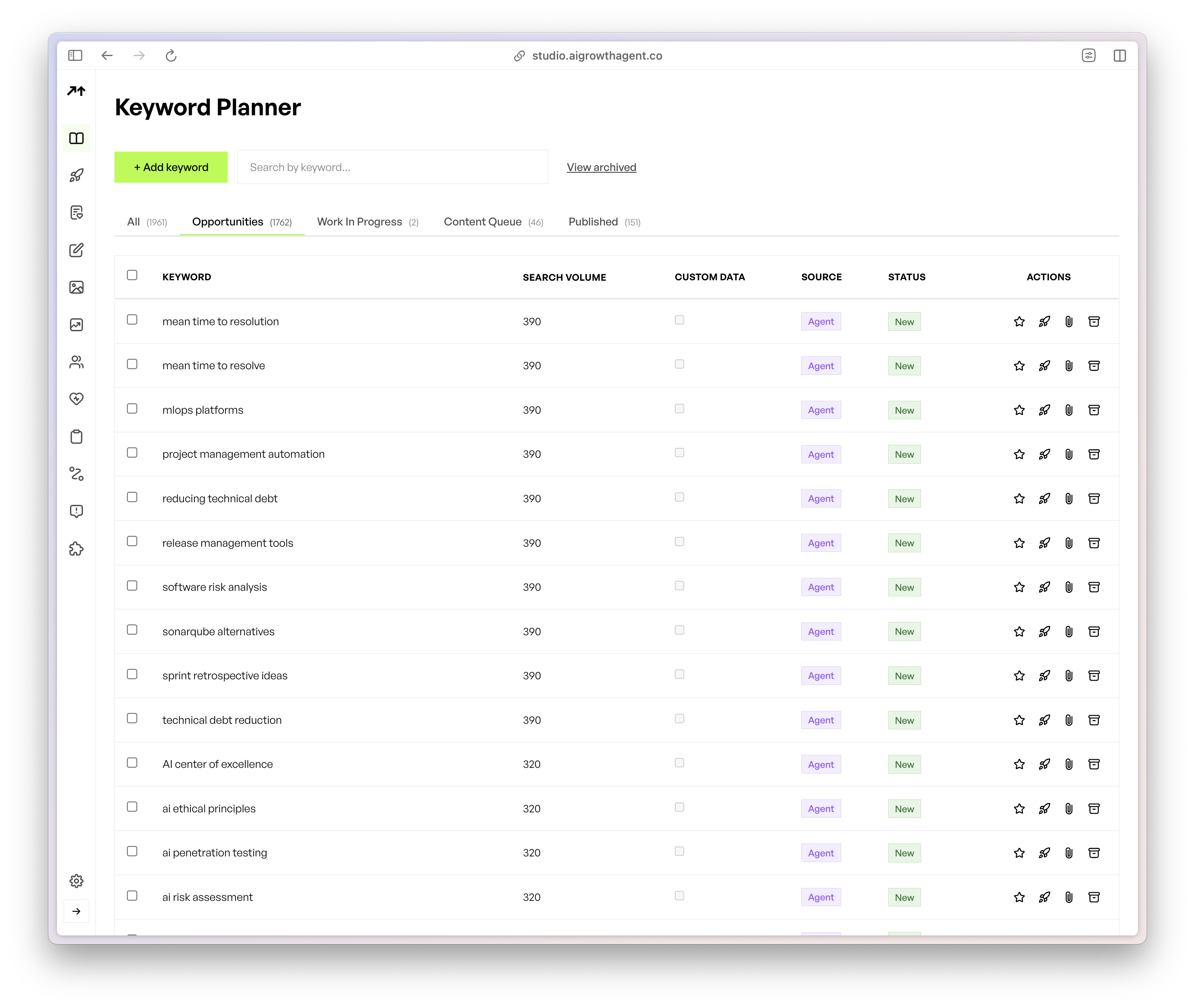
Key strengths include one-week onboarding, effectively unlimited content velocity, and documented AI citation wins. Bucked Up reached the #1 ChatGPT citation for “best protein soda” within three weeks, and Gitar.ai became the top-cited AI CI/CD tool across ChatGPT, Perplexity, and Google AI Overviews. A manifesto-driven framework protects brand voice, while the Studio dashboard gives teams full visibility and control.
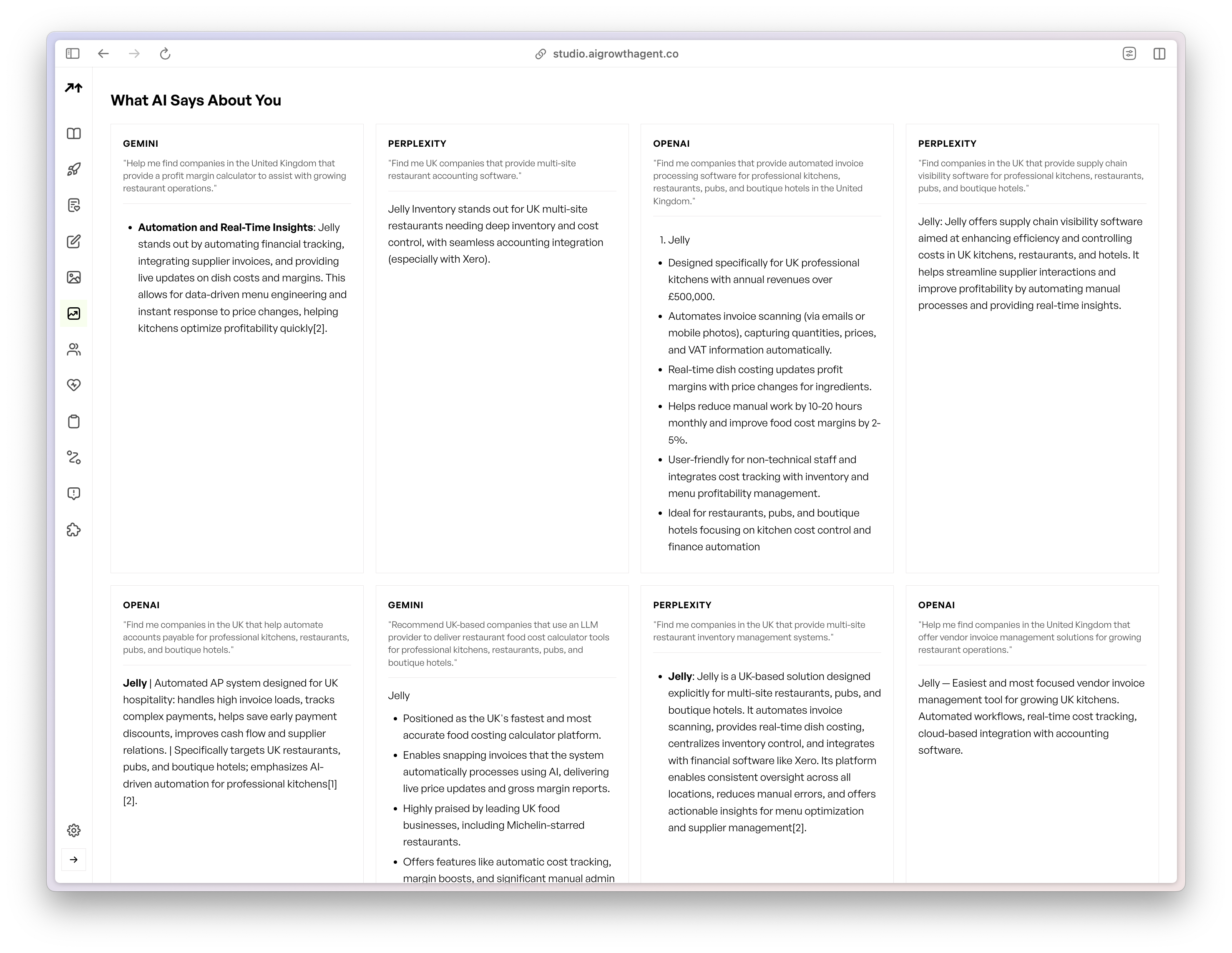
The platform focuses on premium brands with solid SEO foundations and does not accept clients with weak technical baselines. AI Growth Agent best fits marketing teams that want a “set it and monitor it” programmatic growth with clear AI citation reporting.
Schedule a demo to see if you are a good fit for autonomous programmatic SEO.
2. ZoomInfo
ZoomInfo delivers deep sales intelligence through a large B2B database and AI Copilot features. The platform stands out with built-in sales engagement tools and strong analytics for US-based enterprises. AI Copilot recommends actions from engagement patterns and can save about 10 hours each week on research.
Strengths include detailed org charts, advanced intent signals, revenue intelligence, conversation intelligence, and scalable workflows for large teams. However, ZoomInfo primarily serves big enterprises and can create stack complexity as teams adopt separate tools. The product offers AI content features such as email generation, but its main focus remains revenue orchestration, not AI citation authority.
Pricing uses a per-lead structure with extra fees for integrations. ZoomInfo suits enterprise sales teams that value data accuracy and revenue intelligence more than AI-focused content authority.
3. Cognism
Cognism focuses on GDPR-compliant B2B data with strong coverage in European markets. The platform offers free native integrations with Salesforce, HubSpot, and Pipedrive, including two-way sync. Diamond Data® delivers phone-verified contacts with connection rates up to three times higher than standard data.
Advantages include Bombora-powered intent data, custom feeds for prospect signals, and AI-guided lead prioritization through Sales Companion. Cognism lacks native sequencing and depends on tools like Outreach and Salesloft. The product does not support content creation or AI citation optimization.
Pricing includes global data access on every plan. Cognism works well for European-focused B2B companies that need compliant enrichment, but it does not meet AI-era authority requirements on its own.
4. HubSpot
HubSpot combines marketing automation, CRM, and content management in a single platform. The platform appears as a Leader in several 2025 Gartner Magic Quadrants, which confirms its strength for inbound marketing.
HubSpot’s strengths include robust automation, lead nurturing workflows, and a capable CMS. The platform supports traditional inbound strategies but does not deliver programmatic SEO velocity or AI citation optimization. Content creation stays largely manual, which limits scale for AI-driven discovery.
Pricing increases with added features and contact volume. HubSpot fits companies that prioritize integrated marketing automation over high-volume, AI-ready content production.
5. Artisan
Artisan offers an all-in-one outbound sales suite with lead generation, nurturing, and a large contact database. The platform aims to reduce stack sprawl by centralizing multiple sales functions.
Benefits include broad outbound automation and suitability for teams that want fewer tools. Artisan focuses on sales execution, not authority building or AI-ready content. The platform does not provide programmatic SEO or AI citation tracking, which limits its impact on 2026 digital footprint goals.
Pricing follows a subscription model with bundled functionality. Artisan works best for sales teams that prioritize outbound automation instead of content-led authority.
Side-by-Side Comparison for AI Citations
|
Tool |
Automation Level |
AI Citation Tracking |
Scalability/Onboarding/Cost |
|
AI Growth Agent |
Full autonomous pSEO |
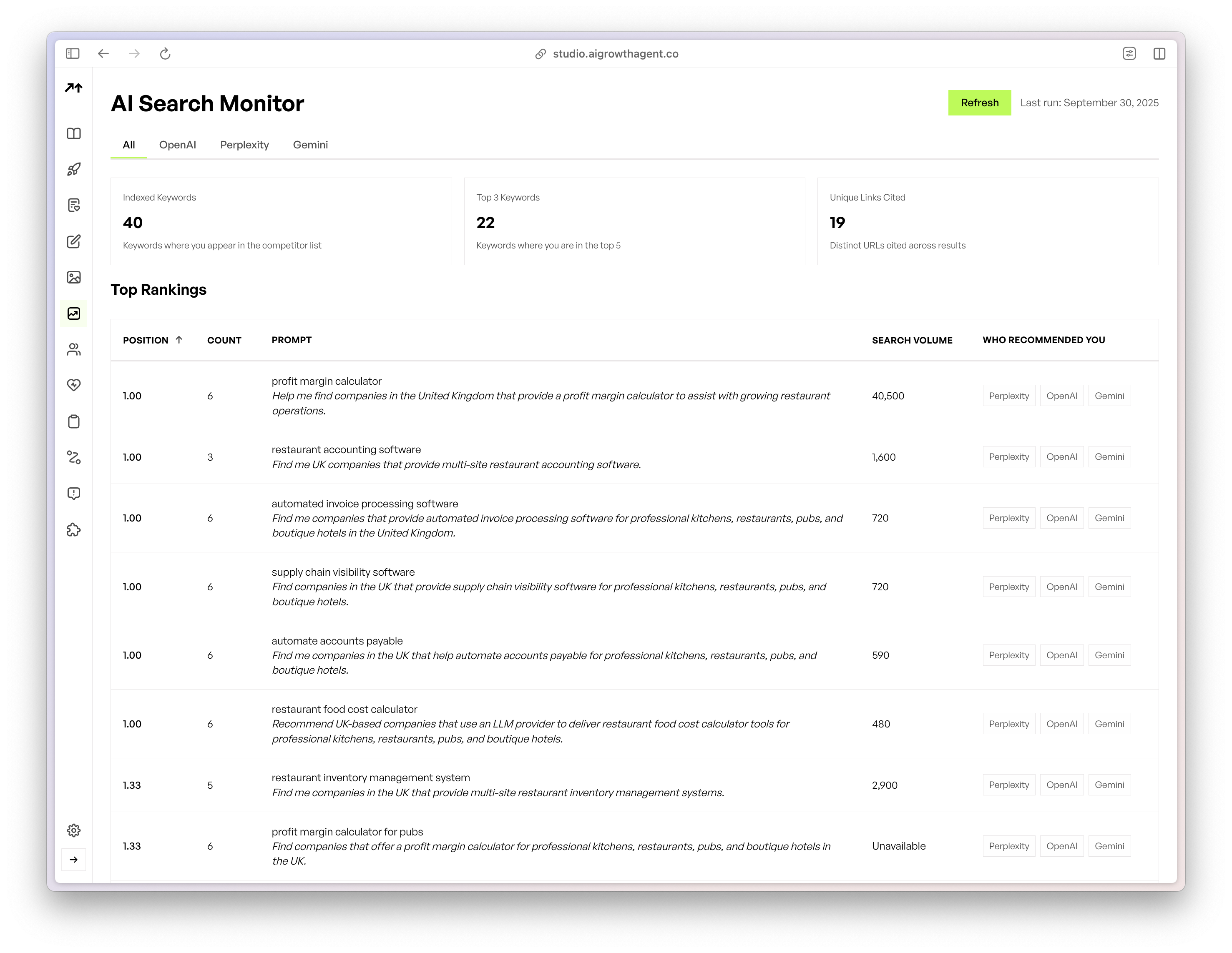
Yes (heatmap across ChatGPT, Perplexity, Gemini) |
Unlimited content, 1 week, subscription-based |
|
ZoomInfo |
Comprehensive AI assistance |
No |
Enterprise headcount, months, per-lead pricing |
|
Cognism |
AI-guided prioritization |
No |
Global data included: weeks, subscription |
|
HubSpot |
Marketing automation |
No |
Feature-based scaling, weeks, tiered pricing |
|
Artisan |
Sales automation |
No |
All-in-one, days, subscription |
AI Growth Agent leads in automation speed and AI citation support, while the other tools focus on data, sales, and workflow automation. The core difference lies in solving 2026’s main challenge, which is building content authority for AI search visibility instead of refining traditional lead generation.
Traditional platforms perform well for their primary use cases but cannot match the programmatic content scale required for AI citation success. Businesses gain 24% more organic traffic with AI-assisted SEO, yet only programmatic systems can reach the volume needed in AI-saturated environments.
Implementation Checklist for AI-Ready Digital Footprints
Teams should start with a content volume audit to understand their current AI visibility baseline. They should then add AI citation monitoring across ChatGPT, Perplexity, and Gemini to track performance beyond standard organic metrics.
Key evaluation criteria include:
- Programmatic content creation capabilities and realistic velocity
- Technical SEO automation for schema, LLM.txt, and MCP
- AI citation tracking and heatmap visualization
- Integrations with existing CMS and analytics tools
- Onboarding speed and internal resource needs
Common risks include vendor lock-in through proprietary data formats, privacy issues with international regulations, and underestimating the complexity of programmatic SEO. Favor solutions that offer transparent data ownership and clear migration options.
Schedule a demo to see if you are a good fit for advanced programmatic SEO evaluation.
Frequently Asked Questions
What defines a B2B digital footprint in the AI era?
A B2B digital footprint in 2026 includes AI citation frequency, programmatic content velocity, and technical readiness for LLM indexing. It covers schema markup, LLM.txt files, Model Context Protocol integration, and structured data that helps AI search engines interpret and cite content accurately. The emphasis shifts from manual content production to programmatic authority that can compete with AI-generated volume.
What are the best free digital footprint tools for B2B startups?
Useful free tools include Google Search Console for basic organic tracking, Google Analytics for traffic insights, and manual LLM.txt creation for AI readiness. These tools demand significant technical skill and manual work, which limits scale. Startups should first build a strong SEO foundation, since AI citation platforms perform best when authority and infrastructure already exist.
How does programmatic SEO compare with traditional SEO agencies?
Programmatic SEO delivers high content velocity through automation, while agencies rely on manual work constrained by headcount. Agencies often produce one or two articles per month at a premium cost, while programmatic systems can publish dozens of technically tuned articles each week. Programmatic platforms also automate schema, LLM.txt, and AI-ready infrastructure that agencies may not provide or may charge extra to implement.
Should B2B companies pick Apollo or ZoomInfo for footprint enhancement?
Apollo and ZoomInfo do not directly solve AI-era digital footprint challenges. Both excel at sales intelligence and enrichment, but lack content creation for AI citations. ZoomInfo offers stronger enterprise analytics and AI Copilot, while Apollo provides more budget-friendly pricing for smaller teams. Companies that care about AI visibility should pair these tools with programmatic SEO platforms that build content authority.
What timeline should B2B companies expect for AI citation gains?
AI citation timelines depend on content volume and technical quality. Programmatic SEO users often see first citations within two to four weeks and stronger visibility within two to three months. Manual strategies usually need six to twelve months for meaningful AI citation frequency. Key drivers include domain authority, technical SEO health, publishing cadence, and correct use of LLM.txt and structured data.
Which companies lead the 2026 Gartner Magic Quadrant for marketing automation?
Salesforce and HubSpot hold Leadership positions in the 2025–2026 Gartner Magic Quadrants for several marketing technology categories. Salesforce appears as a Leader in Cloud-Native Application Platforms and AI-Powered Digital Experiences, while HubSpot maintains strong rankings in marketing automation. These platforms focus on workflow automation, not the programmatic content and AI citation optimization that now define competitive search advantage.
Conclusion: Why AI Growth Agent Leads 2026 B2B Footprint Strategy
AI Growth Agent stands out as the leading choice for B2B digital footprint enhancement in 2026 because it uniquely combines programmatic content velocity with AI citation tracking. ZoomInfo, Cognism, HubSpot, and Artisan remain strong in sales intelligence and marketing automation, yet they do not solve the core challenge of building AI-visible content authority.
Winning teams will engineer content architectures at scale while protecting quality and brand consistency. Schedule a demo to see if you are a good fit for autonomous programmatic SEO that helps your company provide the definitive answers when AI systems respond to buyer questions.