


Written by: Mariana Fonseca, Editorial Team, AI Growth Agent
Introduction
Digital visibility is shifting fast as AI chatbots change how people search and buy. Organic search volumes are projected to decline 25% by 2026, which means traditional SEO alone no longer protects your pipeline. Your digital footprint now spans search engines, social platforms, review sites, and AI systems that decide which brands to cite. This guide explains how to build a footprint that AI engines like ChatGPT and Perplexity recognize, trust, and recommend.
Key Takeaways
- Organic search volumes are declining 25% by 2026 due to AI chatbots, so you need a multi-channel digital footprint strategy beyond traditional SEO.
- Run comprehensive audits using Google Search Console and AI citation tools to uncover visibility gaps across search, social, and review platforms.
- Implement technical upgrades like schema markup, LLM.txt files, and fast load speeds to boost AI citation probability by 40-60%.
- Increase content velocity with programmatic SEO to publish hundreds of high-authority pages monthly and outpace manual competitors.
- Use AI Growth Agent automation for set-it-and-forget-it authority building across all channels; schedule a demo today to transform your digital footprint.
How to Improve Your Digital Footprint in 2026
Building a dominant digital footprint in 2026 requires a systematic approach across ten key steps:
- Conduct a 2026 footprint audit using Google Search Console and Ahrefs to identify visibility gaps
- Optimize website core infrastructure with schema markup, LLM.txt files, and Model Context Protocol implementation
- Amplify local SEO and review management through Google Business Profile optimization and review systems
- Scale social proof across platforms with consistent messaging and engagement
- Engineer content velocity using programmatic SEO to outpace manual competitors
- Leverage paid signals and partnerships to increase brand mentions and AI citation probability
- Defend and monitor online reputation to keep negative content from dominating results
- Implement AI-specific technical tactics that match how AI engines parse and cite content
- Set up comprehensive monitoring systems for AI and traditional search performance
- Automate with programmatic SEO agents to sustain scale and consistency
Step 1: Conduct a 2026 Footprint Audit
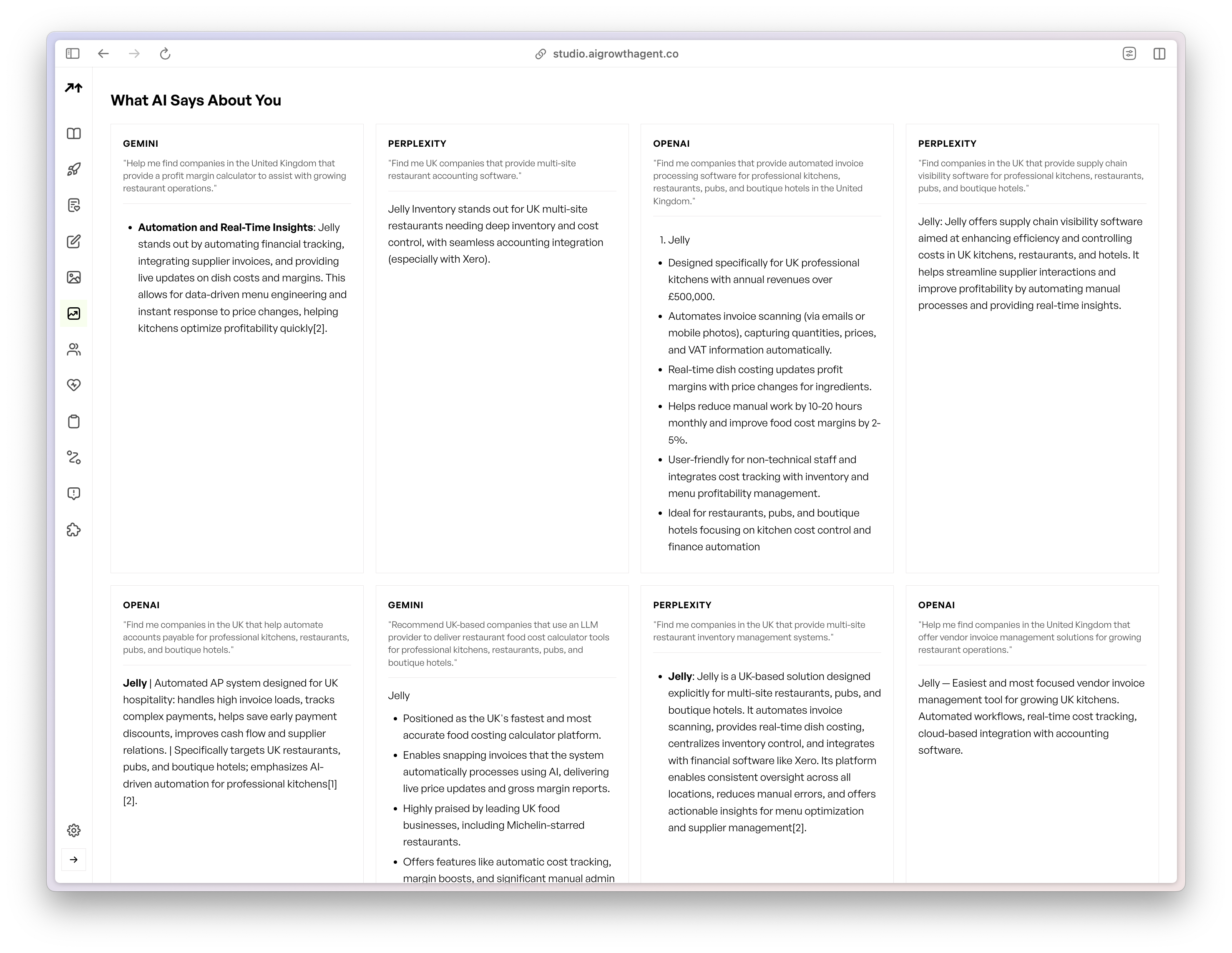
Start with a clear picture of your current digital presence across every major channel. Approximately 90% of pages cited by ChatGPT Search rank in position 21 or lower in traditional organic results, which shows that AI citation success follows different rules than classic SEO.
Use Google Search Console to identify your top-performing pages and queries, then cross-reference with AI citation tracking tools to see where gaps exist. Once you have mapped content performance, audit your Name, Address, Phone (NAP) consistency across all platforms, because inconsistencies can cause sudden ranking drops that undermine strong content. Finally, establish a baseline by documenting your current share of voice in AI responses using tools that monitor ChatGPT, Perplexity, and Google AI Overviews for your target keywords.
Step 2: Optimize Website Core Infrastructure
Strong technical foundations make your site easier for AI systems to understand and trust. Implement comprehensive schema markup including Article, Organization, LocalBusiness, and FAQPage schemas. Proper schema markup implementation increases chances of appearing in rich snippets, AI Overviews, and AI assistant responses by 40-60%.
Create LLM.txt files and implement Model Context Protocol (MCP) so AI search engines can interface directly with your content database. Keep page load speeds under 3 seconds, because pages with First Contentful Paint under 0.4 seconds earn 3.2× more AI citations than those above 1.13 seconds. Ensure mobile responsiveness with tappable buttons and click-to-call functionality to support on-the-go users.
Step 3: Amplify Local SEO and Review Management
Local optimization creates an edge because AI systems still struggle with geographic nuance. Optimize your Google Business Profile with accurate NAP information, complete business hours, detailed service descriptions, and high-quality photos. The local map pack captures about 45% of clicks on local searches, so strong local presence directly affects visibility.
Build a systematic review acquisition strategy, as 67% of American consumers write positive local business reviews as a reward for great customer experiences. Ask for reviews through email, SMS, and in-person prompts. Respond to all reviews within 24-48 hours and embed positive reviews directly on your website to strengthen trust signals. See how AI Growth Agent scales review management across hundreds of locations.
Step 4: Scale Social Proof Across Platforms
Social proof extends the trust you build through reviews into the broader web. While reviews validate you on dedicated platforms, social media spreads those credibility signals across audiences that AI systems monitor. Social signals increasingly influence AI citation decisions, and Ahrefs’ AI Overview Brand Correlation Study found that Brand Web Mentions have the strongest correlation (0.664) with AI visibility, outperforming Domain Rating (0.326) and backlinks (0.218).
Maintain consistent brand messaging across LinkedIn, Twitter, Facebook, and industry-specific platforms. Publish quotable, citation-friendly statements using clear formatting such as callout boxes and bold text. Participate actively on Reddit and Quora, because these communities appear frequently in AI responses. Encourage employee advocacy programs that help your team share company content and expand your social footprint organically.
Step 5: Engineer Content Velocity Through Programmatic SEO
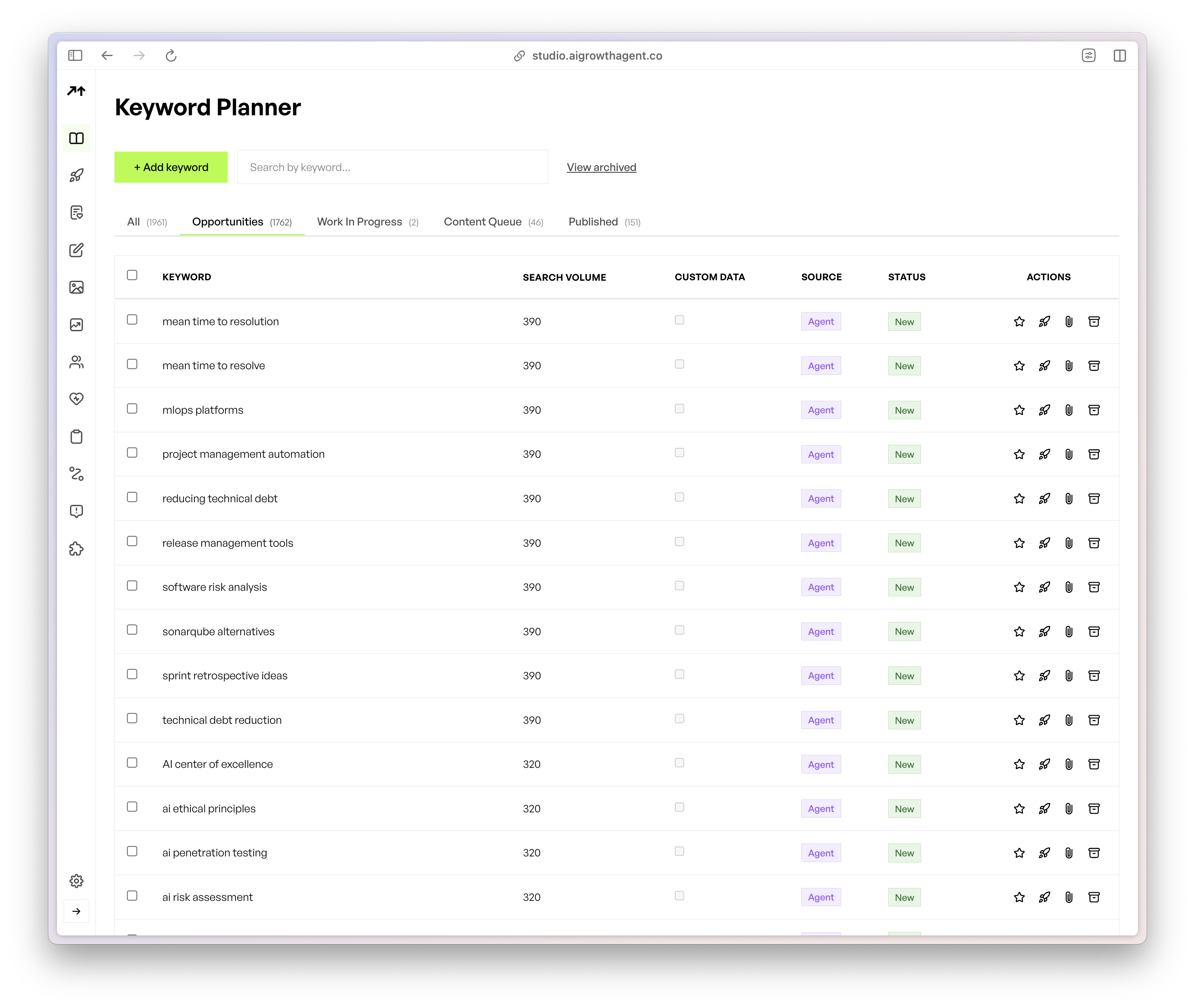
High content velocity keeps your brand visible in AI training data and live responses. Manual content creation rarely reaches the scale required for AI-era visibility. Properly executed programmatic SEO typically delivers 50-200% increases in organic traffic within 12 months, with early ranking improvements often visible within 3-4 months.
Set up programmatic content strategies that automatically generate high-quality, structured pages targeting long-tail keywords. Build comprehensive topic clusters instead of isolated keyword pages. 65% of AI bot hits target content published in the past year and 89% hit content updated within three years, which highlights the value of freshness and volume. Watch a demo of programmatic content creation in action.
Step 6: Leverage Paid Signals and Strategic Partnerships
Paid visibility accelerates brand recognition and feeds more positive signals into AI systems. Brands treating AI platforms as branding channels achieve 40-60% higher assisted conversions than those focused solely on click-through rates.
Run targeted campaigns on Google Ads, LinkedIn, and industry publications to increase brand mentions and branded search volume. Partner with complementary businesses for cross-promotion and backlink opportunities that expand your authority graph. Sponsor industry events and local community initiatives to earn authoritative mentions across diverse, trusted domains.
Step 7: Defend and Monitor Online Reputation
Reputation management protects the authority you build through content, social proof, and paid activity. As your visibility grows, more people talk about your brand, which increases both opportunity and risk. Proactive reputation work keeps negative content from dominating your digital footprint.
Set up Google Alerts for your brand name and key executives to catch issues early. Expand monitoring to review platforms, social media mentions, and forum discussions, and check these channels regularly for emerging concerns. When negative content appears, respond with professional replies and publish positive, authoritative content that can outrank harmful results. Create a crisis communication plan so your team can respond quickly to threats that might affect your AI citation profile.
Step 8: Implement AI-Specific Technical Tactics
AI-focused formatting and structure help engines extract clear answers from your content. Building on the schema foundation from Step 2, refine how each page presents information so AI systems can parse it easily. Content with clear H2/H3 hierarchy, bullet points, and tables gets cited 65% more frequently by AI engines than unstructured text.
Place a concise answer capsule in the first paragraph, because 44.2% of AI-cited content places the core answer in the first paragraph. Add expert quotations and verifiable statistics with source citations. Use entity-rich language that references specific tools, brands, and frameworks to improve AI recognition. Learn how we implement Model Context Protocol for AI visibility.
Step 9: Set Up Comprehensive Monitoring Systems
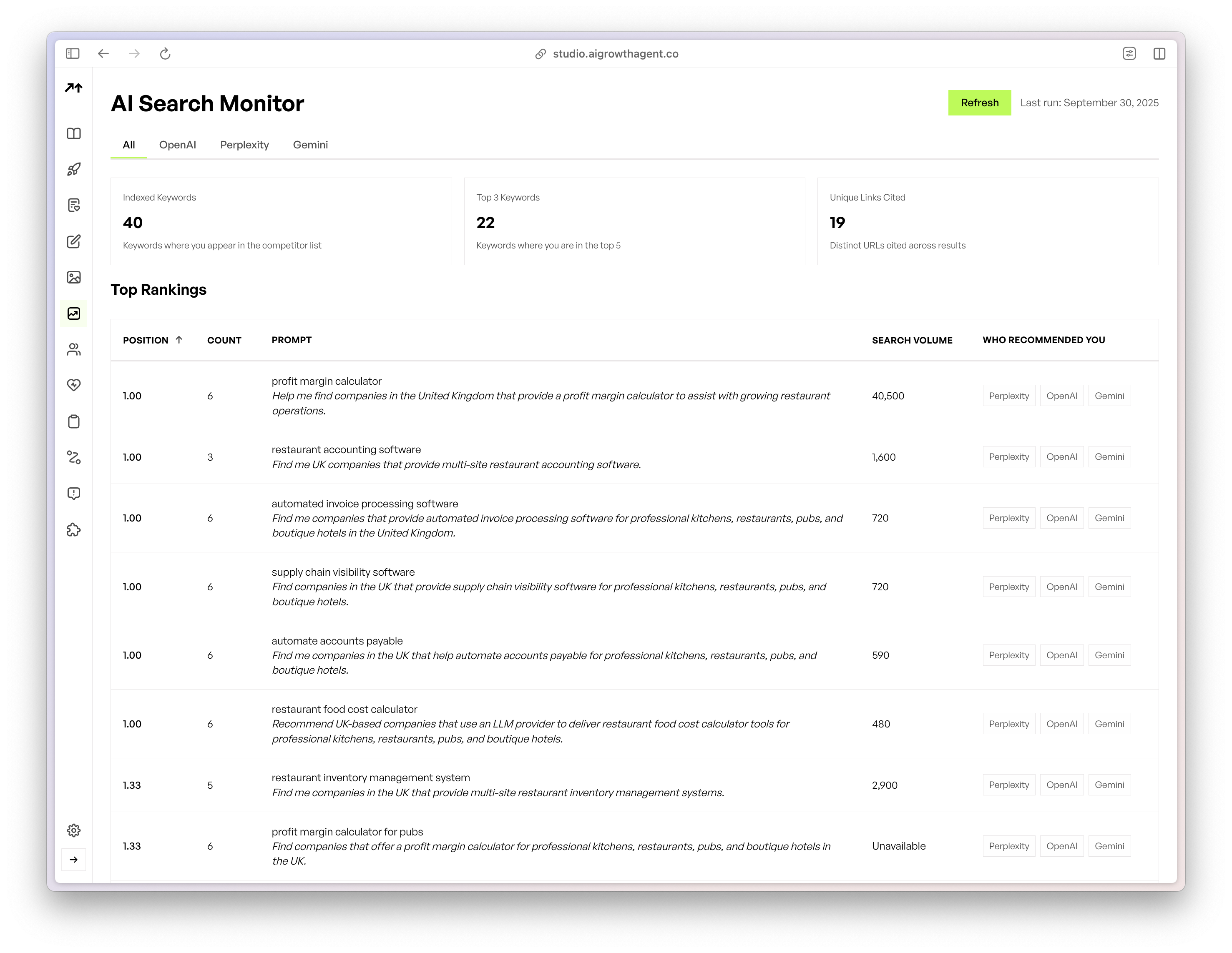
Measurement confirms which tactics drive AI visibility and revenue. Track performance across traditional and AI search channels using specialized monitoring tools. AI-referred visitors convert at 23x the rate of traditional organic search visitors, so accurate tracking directly supports ROI decisions.
Monitor your citation frequency across ChatGPT, Perplexity, and Google AI Overviews. Track branded search volume, share of voice in AI responses, and competitor displacement metrics. Configure alerts for significant drops in AI visibility and review performance monthly to spot new optimization opportunities.
Step 10: Automate with Programmatic SEO Agents
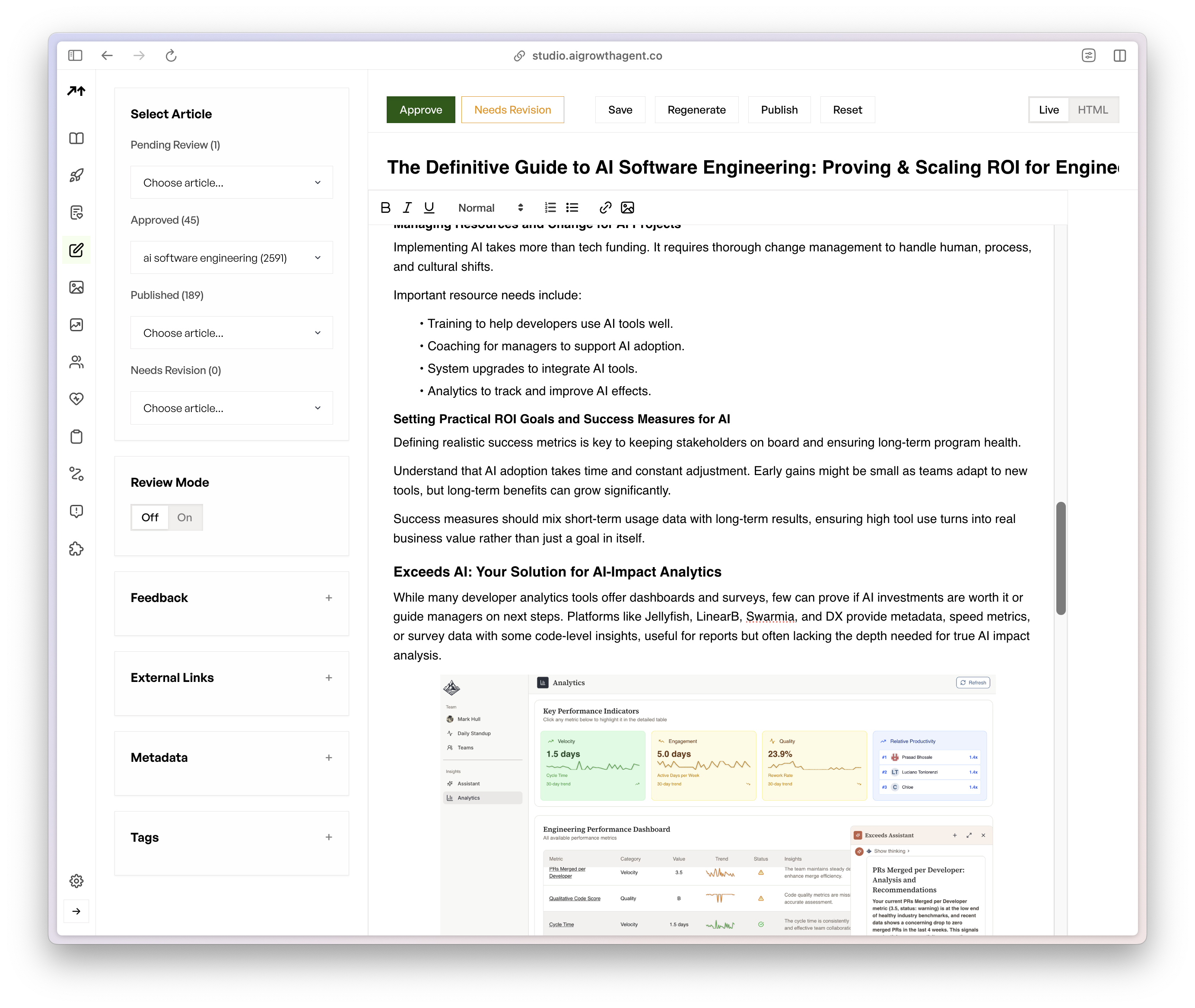
Automation sustains the scale and consistency that AI-era visibility demands. Deploy autonomous content systems that operate at superhuman volume and quality. Traditional agencies and manual workflows rarely keep pace with AI-driven search changes.
AI Growth Agent’s programmatic SEO technology has helped clients like Gitar.ai achieve ChatGPT dominance in under two months, while Exceeds AI reached Perplexity’s top recommendations in just two weeks. Programmatic SEO agents handle keyword research, content creation, technical optimization, and publishing while following custom brand manifestos. This approach enables set-it-and-forget-it authority building that scales beyond human limitations while keeping every piece of content tuned for AI citation potential.
The 5 P’s Framework: Organizing Your Strategy
The ten steps above group naturally into five strategic pillars that create a simple mental model for digital footprint excellence. Use this framework to check that your implementation covers every critical dimension.
- Presence: Maintain active, optimized profiles across search engines, social media, review platforms, and industry directories.
- Protection: Monitor and defend your reputation through proactive review management, crisis communication planning, and negative content suppression.
- Promotion: Amplify positive signals through strategic content marketing, social media engagement, and paid advertising campaigns.
- Programmatic Scale: Deploy automated systems for content creation, technical improvements, and multi-channel publishing to reach velocity that manual methods cannot match.
- Performance Tracking: Measure success through AI citation rates, branded search volume, share of voice metrics, and conversion tracking across all channels.
AI Growth Agent’s technology supports all five P’s through integrated automation, which delivers comprehensive digital footprint growth without the resource strain of traditional approaches.
Implementation Checklist and Success Metrics
Turn the frameworks above into a practical rollout plan that your team can execute step by step.
- Complete technical audit and schema implementation within 30 days.
- Establish monitoring systems for AI citations and traditional search metrics.
- Launch programmatic content creation workflows for core topics and long-tail queries.
- Optimize all local and social media profiles for consistent branding and NAP data.
- Implement review acquisition and response protocols across every major platform.
Track key performance indicators including the high-converting AI-driven traffic mentioned in Step 9, citation frequency across AI platforms, branded search volume growth, and share of voice improvements. Avoid common pitfalls such as inconsistent NAP information, slow page speeds, and neglect of AI-specific formatting. AI Growth Agent’s automated approach reduces these risks while delivering measurable ROI through systematic authority building.
Frequently Asked Questions
What is a digital footprint and why does it matter in 2026?
A digital footprint includes all online traces of your business across search engines, social media, review platforms, and AI systems. In 2026, this footprint determines whether AI engines like ChatGPT and Perplexity cite your company as an authority, which directly affects customer discovery and revenue.
How can I make my business more visible digitally?
Increase visibility through multi-channel work that blends technical SEO, local presence, social media consistency, and programmatic content creation. Implement schema markup, maintain NAP consistency, and publish citation-worthy content that AI systems can easily extract and reference.
Can AI tools ruin my digital footprint?
Generic AI content tools can damage your footprint by producing low-quality, unstructured content that lacks the technical elements required for AI citations. Sophisticated programmatic SEO agents such as AI Growth Agent improve your footprint through engineered, high-authority content that follows AI-friendly structures.
What is programmatic SEO and how does it help?
Programmatic SEO automates the creation of high-quality, technically sound content at scale. It allows businesses to publish hundreds of citation-ready pages each month while preserving brand consistency and technical rigor, which manual teams struggle to match.
How do I track AI search performance?
Use specialized tools that monitor your citations across ChatGPT, Perplexity, and Google AI Overviews. Track metrics such as citation frequency, share of voice, and competitor displacement while measuring the higher conversion rates typical of AI-referred traffic.
Conclusion
Improving your company’s digital footprint in 2026 requires a shift from manual tactics to programmatic automation. The strategies in this guide give you a complete roadmap for building citation-worthy authority across technical foundations, content, local presence, and AI-specific implementations. Long-term success depends on systematic execution and the sustained velocity that automated systems provide. Ready to dominate your category? Book a strategy session to transform your digital footprint.
