Written by: Mariana Fonseca, Editorial Team, AI Growth Agent
Key Takeaways for AI Search in 2026
- AI search like Google AI Overviews (21% of searches) and ChatGPT (1B weekly queries) requires Generative Engine Optimization (GEO) that focuses on citations over rankings.
- Brands that build topical authority with content clusters, answer-first structures, and schema markup gain more citations across AI responses.
- Programmatic SEO scales content creation instantly and supports the content volume and speed that manual efforts cannot match.
- Teams should monitor Share of Model (SoM), implement LLM.txt and Model Context Protocol, and adapt to platform preferences such as Perplexity’s freshness bias.
- AI Growth Agent can automate your GEO strategy; schedule a demo to turn manual SEO work into programmatic AI visibility.
Prerequisites and Starting Conditions for GEO
Strong results start with a solid SEO foundation. Your team should already understand traditional SEO, have access to Google Search Console and keyword tools like Ahrefs or Semrush, and manage content through a CMS such as WordPress or Webflow. Your starting inputs should include relevant keyword clusters, a full technical site audit, and baseline traffic metrics.
Critical factors for success include resolving crawl errors and site speed issues so AI systems can access your pages efficiently. After that, implement basic schema markup to clarify content structure and create an LLM.txt file to guide AI systems toward your strongest resources. Align your team around the shift from traditional SEO to GEO, where citations in AI responses matter more than click-through rates.
Five-Phase Process for AI Search Optimization
This optimization process unfolds across five phases: adopt the GEO mindset for AI citations, build topical authority with content clusters, implement advanced technical infrastructure such as schema markup and Model Context Protocol, scale with programmatic content automation, and monitor AI visibility across platforms.
Each phase builds on the previous one and compounds your authority until AI engines treat your brand as a default source. The manual approach usually requires one to two weeks of focused work per phase, while programmatic automation can execute the entire strategy almost instantly, which matters when you compete for citations across many AI platforms at once.
Brands that want to compress this timeline can use AI Growth Agent’s programmatic SEO solution to automate the full workflow. See how the platform turns weeks of manual work into rapid deployment.
Step-by-Step Guide: 10 Programmatic GEO Strategies
1. Shift from SEO to GEO and Prioritize AI Citations
Traditional SEO focuses on ranking positions, while Generative Engine Optimization targets citations within AI responses. Princeton’s GEO study found that citing sources improves AI visibility by 28% on Subjective Impression. Your primary metric becomes Share of Model (SoM), which measures the percentage of AI responses that cite your content across relevant queries.
Audit your current content for citation-ready elements such as statistics, expert quotes, and unique data. Rewrite key articles so they lead with direct answers, include clear definitions, and present information in short, extractable sections. Track your citations across ChatGPT, Google AI Overviews, and Perplexity using manual checks or dedicated monitoring tools.
2. Audit AI Citation Gaps Across Major Platforms
Systematic testing reveals where your brand appears and where it remains invisible. Start with ChatGPT searches for your core keywords to establish a baseline for general AI visibility. Then ask Perplexity for recommendations in your category to see how you rank in recommendation-style answers, and finally review Google AI Overviews for informational queries to understand your presence in search-integrated AI.
As you run these tests, document which competitors appear consistently and where no clear authority exists. Create a citation audit spreadsheet that tracks keyword clusters, current citations, competitor presence, and open content opportunities. This baseline shows your starting Share of Model and guides which topics deserve priority in your content roadmap.
3. Build Topical Authority with Structured Content Clusters
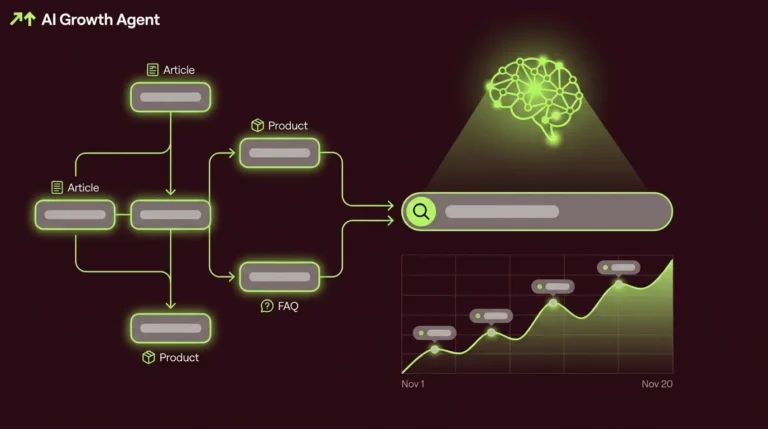
AI engines favor brands that cover a topic from every relevant angle. Create pillar pages that address broad themes in your industry, then support each pillar with cluster content that covers subtopics, use cases, and conversational query variations. Comprehensive, interlinked content signals topical depth and authority to AI engines.
Link each cluster article back to its pillar page using descriptive, keyword-rich anchor text so AI systems can understand your expertise and hierarchy. Aim for 10 to 15 cluster pieces per pillar topic to reach meaningful coverage and support consistent citations.
Scaling this structure manually often takes weeks of planning and production. Discover how AI Growth Agent automates topical authority building across thousands of pages.
4. Use Answer-First Content Structures for AI Extraction
Answer-first content gives AI systems exactly what they need at the top of the page. Start each article with a 40 to 60 word direct answer that addresses the main query in plain language. Use H2 and H3 headings that mirror real user questions from “People Also Ask” and similar sources. Target an Answer Nugget Density of at least six direct 1 to 3 sentence answers per 1,000 words.
Format supporting content with bullet points, numbered lists, and comparison tables so AI systems can extract key details quickly. Add FAQ sections with 5 to 10 H3 questions that address common follow-ups. This structure increases the odds that AI engines select and cite your content across multiple platforms.
5. Deploy Schema Markup and AI-Ready Technical Infrastructure
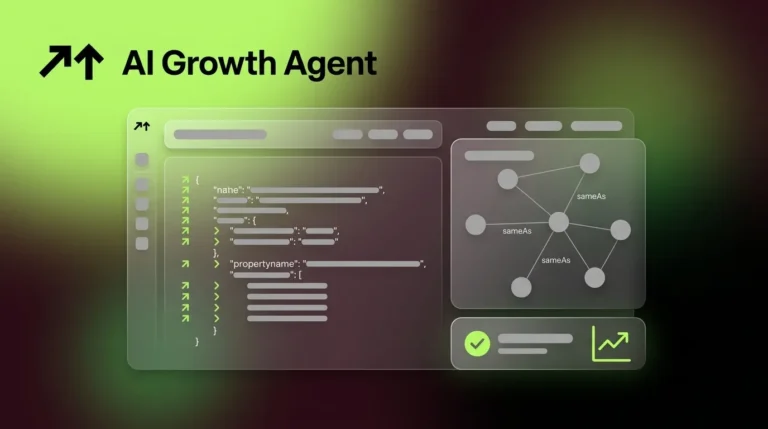
Schema markup helps AI systems interpret your content accurately. Implement JSON-LD schema for Article, Organization, FAQ, HowTo, and Product types wherever they apply. Pages with clear schema often appear more frequently in AI-generated answers because models can parse their structure with less ambiguity.
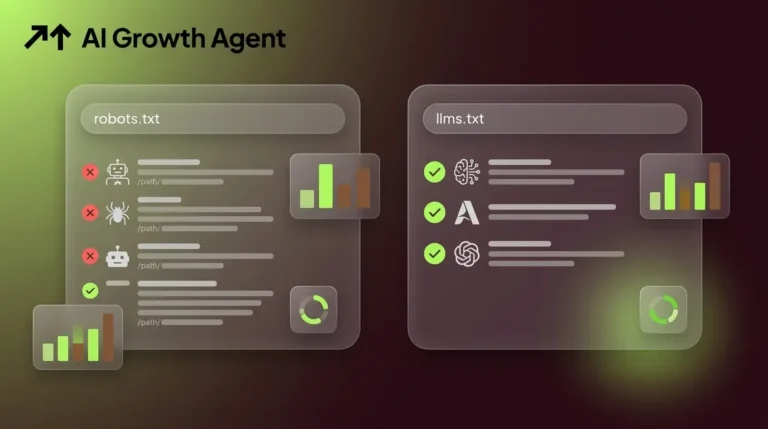
Create an LLM.txt file at your domain root that summarizes your site and points models toward your most authoritative sections. Consider implementing Model Context Protocol (MCP) for deeper AI integration. Model Context Protocol allows AI models to connect to external data sources without custom connectors, which enables direct database access for real-time information retrieval.
6. Run Programmatic Keyword Research for AI-Style Queries
AI search queries differ significantly from traditional search patterns. ChatGPT prompts average about 60 characters, compared to Google’s typical 3.4-character queries. This shift toward longer, conversational prompts means your research must capture natural language questions instead of only short keywords.
Use tools like AnswerThePublic, AlsoAsked, and ChatGPT itself to uncover conversational, long-tail phrases that match how users speak to AI assistants. Cluster these queries around your core topics and prioritize informational and recommendation-focused prompts where AI engines provide detailed responses. Create content that mirrors these longer patterns so your pages align with real AI interactions.
7. Scale Content Production with Programmatic Automation
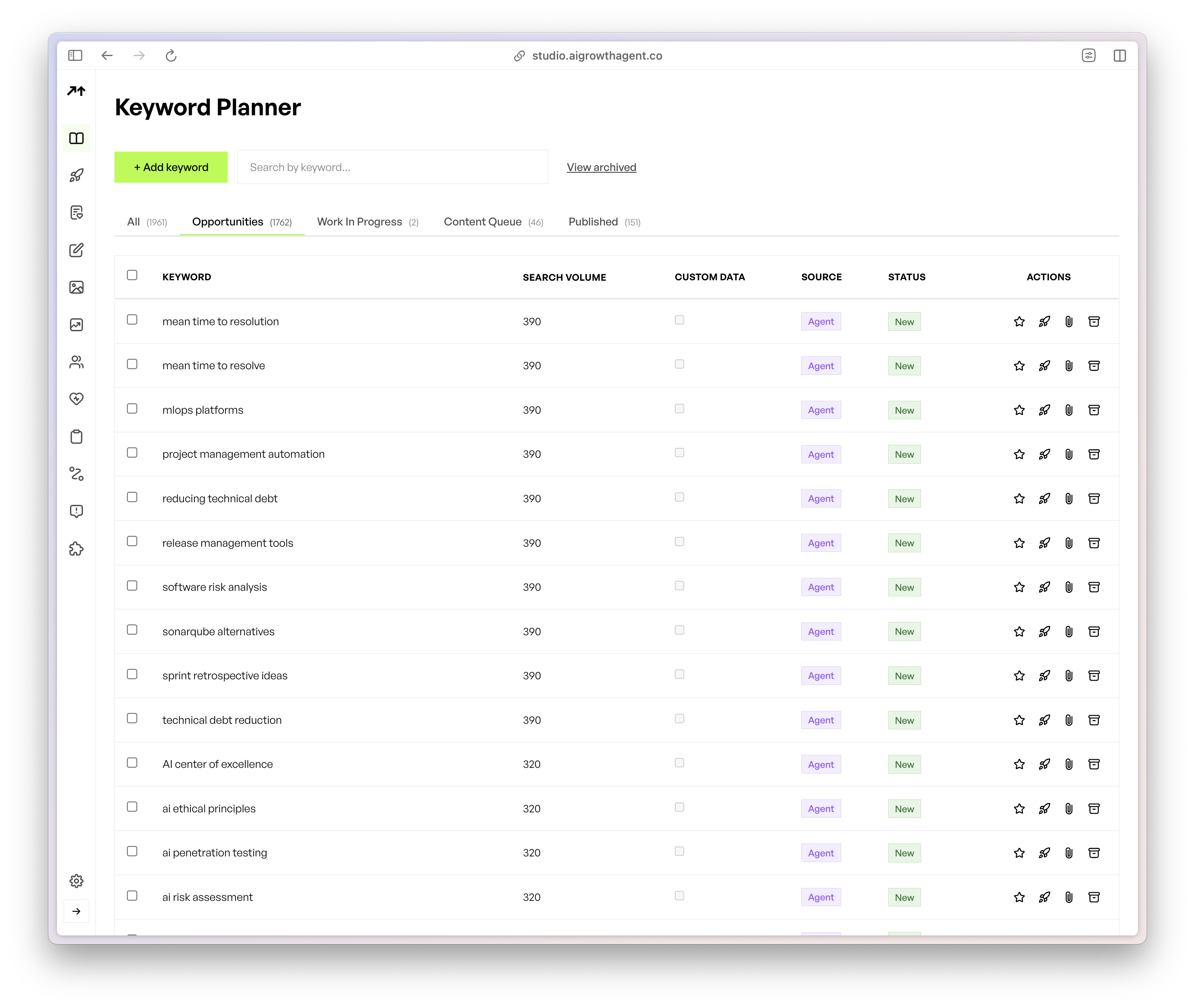
Programmatic SEO delivers the content volume required for AI search dominance. It enables thousands of pages to be generated from structured datasets. Dynamic Mockups achieved 220.65% organic traffic growth through programmatic SEO pages, and Zapier’s database of 5,000+ tools generates more than 50,000 integration pages, driving 6.3M monthly visits through over 70,000 programmatic pages.
Deploy AI-powered systems that create schema-ready, citation-focused articles at scale from your data. Ensure each programmatic page includes unique value such as localized data, specific use cases, or tailored recommendations so it avoids thin-content penalties and still earns citations.
Brands that adopt this approach turn weeks of manual production into near-instant execution. Explore AI Growth Agent’s programmatic content automation for schema-optimized, citation-ready pages.
8. Tailor Content for ChatGPT, Perplexity, and AI Overviews
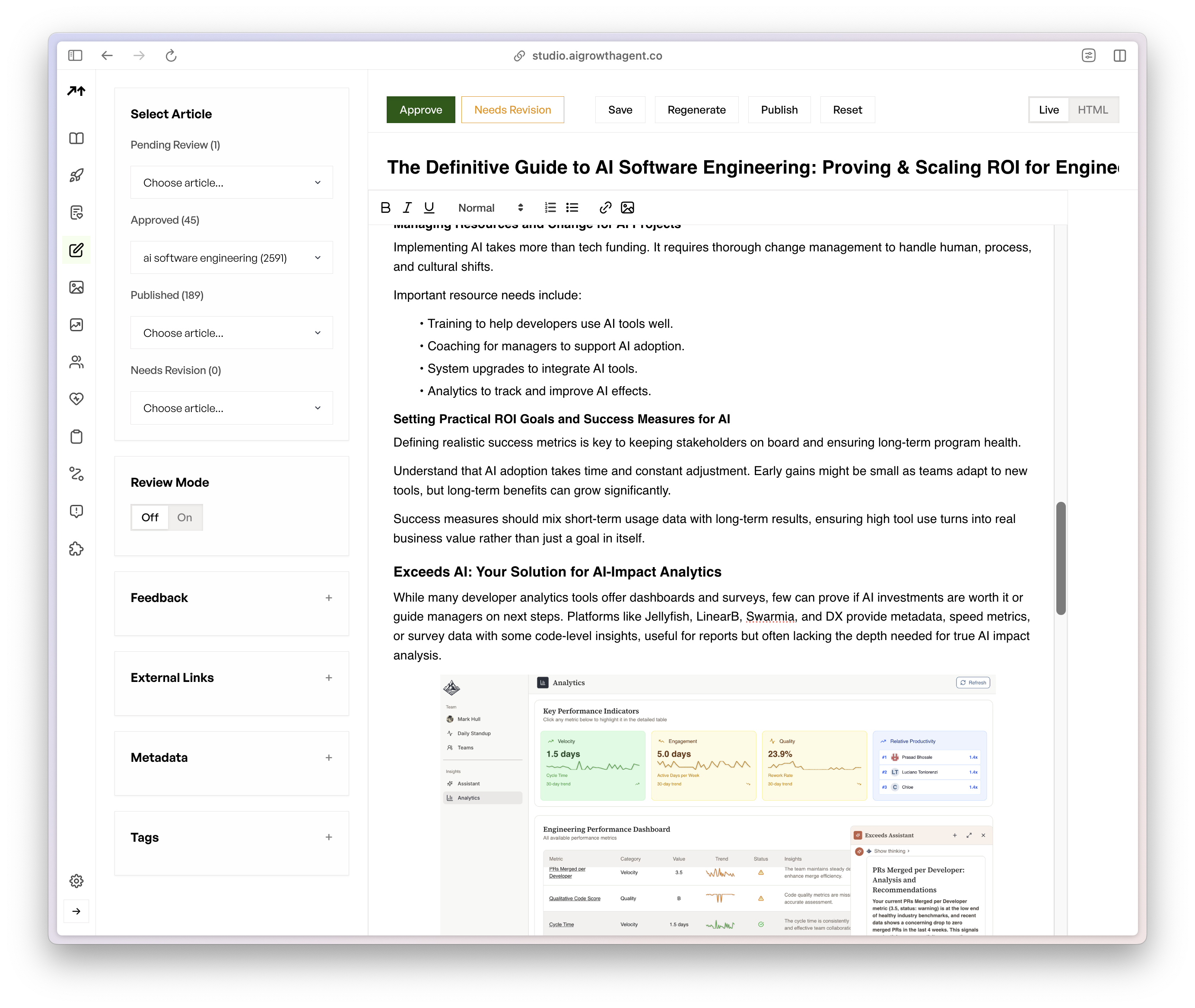
Each AI platform rewards slightly different content patterns. ChatGPT favors clear, structured pages with direct answers, headings, lists, and tables. Perplexity favors fresh content published within the past three months with prominent publication dates. Google AI Overviews often select content that resembles featured snippets with concise answers in the first 40 to 60 words.
Adapt your formatting for each platform while keeping your brand voice consistent. Use structured data markup and snippet-style intros for Google, maintain visible and recent publication dates for Perplexity, and publish comprehensive, well-organized content that supports ChatGPT citations.
9. Use Real-Time Content Injection for Emerging Topics
Trending topics create fast-moving opportunities for AI citations. AI engines prioritize recent sources, with content freshness and visible “last updated” dates acting as crucial factors. Teams that respond quickly with authoritative coverage often capture a disproportionate share of citations.
Monitor industry news, social feeds, and competitor updates to spot emerging themes early. Build template-based content systems that let you plug in new topics and keywords quickly while preserving depth, structure, and authority signals.
10. Monitor AI Visibility and Refine GEO Strategy
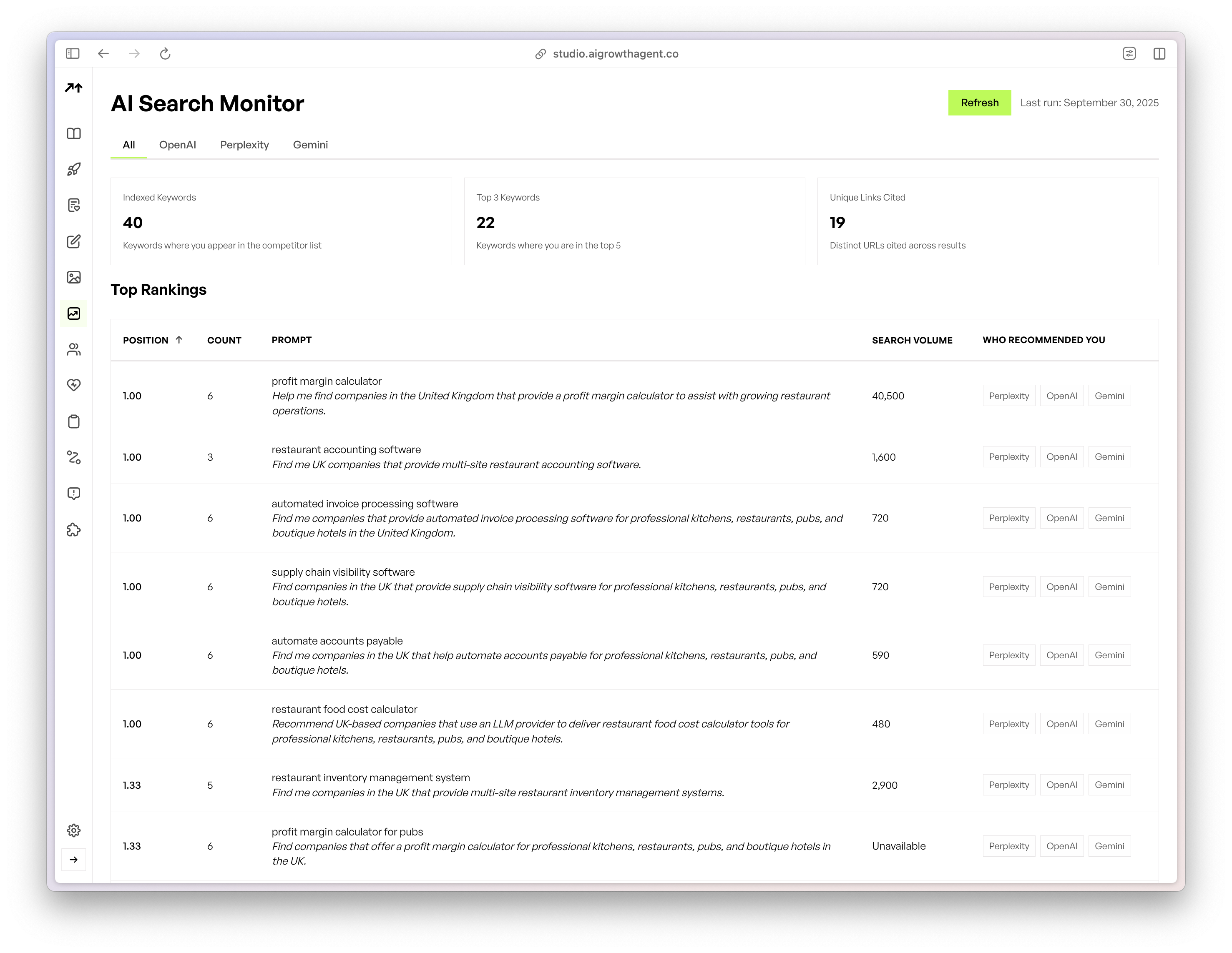
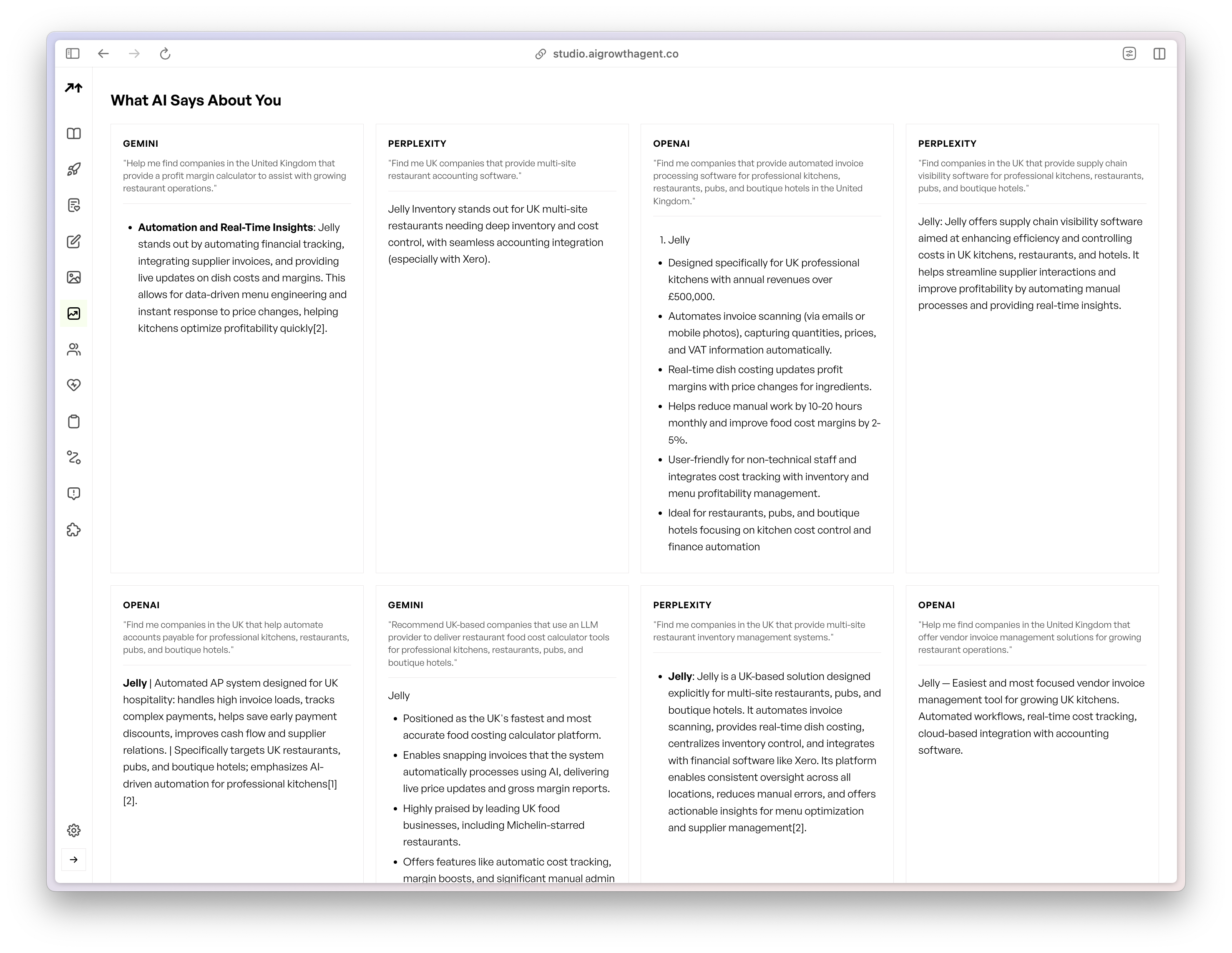
Consistent measurement keeps your GEO strategy aligned with real outcomes. Track your Share of Model across AI platforms using citation monitoring tools and periodic manual checks. Watch AI-referred traffic in analytics, follow keyword rankings in AI Overviews, and measure how often AI responses mention your brand.
Create dashboards that combine citation frequency, competitor presence, and content performance across platforms. Use these insights to refine your content roadmap, strengthen underperforming topics, and identify new opportunities for programmatic expansion.
Common GEO Mistakes and How to Fix Them
Many brands struggle because they skip schema markup, rely only on manual content creation, or ignore LLM.txt guidance for AI systems. Teams also cling to click-focused metrics and overlook citation-based success measures, which misaligns their efforts with AI behavior.
Address these issues by running regular Google Search Console audits, testing how often AI platforms cite your content, and checking for technical errors. Use structured data testing tools to validate schema and confirm that AI systems can parse your pages correctly.
Verifying Outcomes and Measuring GEO Results
Clear metrics confirm whether your GEO strategy works. Look for higher citation rates across AI platforms, 20 to 50 percent growth in Google Search Console impressions for AI-related queries, and measurable AI-referred traffic in your analytics. Track brand mentions in AI responses and compare your citation share against key competitors.
Teams that want deeper visibility can centralize these metrics in a single monitoring layer. Review AI Growth Agent’s monitoring dashboard to track citations, traffic, and Share of Model in one place.
Advanced Scenarios and Practical Next Steps
After you implement these ten strategies, your next moves depend on your current maturity. Newer programs should double down on Steps 1 through 5 to strengthen foundations before scaling. More advanced teams can prioritize Step 7’s programmatic automation to reach the content velocity required for sustained AI visibility.
Multi-brand enterprises can extend this approach further with AI Growth Agent’s multi-tenant programmatic deployment to manage parallel SEO strategies across several domains. Advanced scenarios also include database-to-content automation for proprietary data and real-time content injection for breaking industry news.
Frequently Asked Questions
What is the difference between GEO and AEO?
Generative Engine Optimization (GEO) focuses on earning citations in AI-generated responses from platforms like ChatGPT, Claude, and Perplexity that synthesize information from many sources. Answer Engine Optimization (AEO) targets direct-answer features such as Google’s featured snippets and AI Overviews. GEO emphasizes broad authority for conversational AI, while AEO concentrates on structured answers inside search engines.
How do I optimize specifically for Perplexity AI citations?
Perplexity prioritizes fresh content with clear publication dates, original research, and transparent citations. Publish or update content within the past three months, display prominent “last updated” timestamps, and run industry surveys or original data studies. Use clear headings, bullet points, and credible bylines to increase your chances of appearing in Perplexity’s visible source list.
What are the best tools for AI search optimization in 2026?
Effective GEO programs rely on schema markup validators, AI citation monitoring platforms, and programmatic content generation systems. AI Growth Agent combines automated keyword research, content generation, schema deployment, and multi-platform citation tracking in a single programmatic SEO platform built for AI search dominance.
How long does it take to see results from AI search optimization?
Manual optimization usually produces early signals within two to four weeks as AI systems re-index updated content. Building strong topical authority through clusters often takes four to six months before you see major Share of Model gains. Programmatic approaches can shorten this timeline significantly, and some brands see new citations within days because they deploy large volumes of consistent, optimized content.
Should I focus on manual optimization or programmatic automation?
Programmatic automation provides the scale required to compete in 2026’s AI search environment. Manual optimization works for early experiments and small sites, but comprehensive topical authority across many queries requires automation for most premium brands. Programmatic systems also keep schema consistent, refresh content regularly, and coordinate multi-platform optimization at a level that manual workflows rarely sustain.
Conclusion: Turn GEO Strategy into Scalable Execution
AI search optimization now depends on a shift from traditional SEO tactics to programmatic authority building. These ten strategies give you a framework for becoming a definitive source in AI responses, but sustained success requires content velocity and consistency that manual execution rarely delivers. Premium brands benefit most from programmatic systems that automate the optimization lifecycle while preserving quality and trust signals.
Teams ready to operationalize this approach at scale can partner with AI Growth Agent. Schedule a demo today to see how programmatic SEO can elevate your AI search visibility.