Written by: Mariana Fonseca, Editorial Team, AI Growth Agent
AI-powered search engines like ChatGPT, Gemini, and Perplexity are changing how people find brands online. Your images, as key visual content, play a major role in whether these systems notice and recommend your brand to users.
Many marketing leaders, however, don’t realize their images aren’t set up for AI search. Poorly optimized visuals can block AI engines from indexing or citing your content properly. This gives competitors with better image strategies an edge in gaining visibility.
AI Growth Agent offers a practical fix with an autonomous platform built to handle image optimization for AI search. Our AI agents manage everything, from choosing the right file formats to adding relevant metadata, so your images boost your brand instead of holding it back.
Why Unoptimized Images Hurt Your AI Search Visibility
Unoptimized images can make your content less noticeable to AI search engines. These systems analyze visuals alongside text to determine relevance and quality. If your images don’t meet their standards, your content risks being ignored.
Images Matter in AI Rankings
AI search tools evaluate images for context and technical quality. Factors like file format, metadata, and clarity affect whether your content gets cited or recommended. Images that don’t align with these criteria lower the chances of AI systems valuing your content.
Common Image Mistakes
Many teams unknowingly create issues with their images that hurt AI search performance. Here are the typical problems:
- Oversized files in old formats like JPEG slow down page loads and hurt performance metrics.
- Missing or vague alt text leaves AI systems without context to understand an image’s purpose.
- Images that don’t adjust to different devices create poor user experiences and signal low quality to AI algorithms.
What Happens If You Ignore This
Unoptimized images slow your website, increase bounce rates, and shorten visitor time on pages. AI search engines track these metrics to judge content quality. Worse, if AI can’t process your images, it often turns to competitors with better setups, costing you potential customers.
How to Make Images Work for AI Search Visibility
Getting images ready for AI search involves using modern formats, fine-tuning technical details, and aligning visuals with AI expectations. Here’s what you need to focus on.
Modern File Formats for Better Performance
Using advanced formats like AVIF and WebP can significantly improve how images perform in AI search.
- AVIF cuts file sizes by up to 65% compared to JPEG while keeping similar quality, speeding up load times.
- AVIF excels for photos with support for HDR and wide color ranges, ideal for industries needing sharp visuals.
- WebP reduces file sizes by 25-34% compared to JPEG, balancing quality and compatibility.
- WebP works well as a fallback with broad support and features like animation.
The best approach serves AVIF first, then WebP, with JPEG as a last resort for older browsers. Using responsive tags like picture elements ensures the right format for each device.
|
Feature/Format |
AVIF |
WebP |
JPEG |
|
Compression Efficiency |
Up to 65% smaller |
25-34% smaller |
Larger files |
|
Quality at Small Size |
High with HDR |
High with gradients |
Moderate |
|
Browser Support |
Modern browsers |
Widespread |
Universal |
|
Best Use for AI |
Photos, detailed visuals |
General images |
Fallback only |
Technical Tips for Speed and Quality
Images need careful handling to balance speed, responsiveness, and appearance. Compression must reduce size without losing clarity. Responsive design delivers the right image size for each device, improving load times. Content delivery networks (CDNs) and caching also help serve images faster globally, a factor AI search engines consider.
Need help with these technical details? Schedule a demo with AI Growth Agent to see how we automate image optimization for you.
Aligning Images with AI Expectations
Clear alt text and captions help AI understand your images. Descriptive text that fits the content context boosts how AI views relevance. Schema markup adds structured data, giving AI more insight into image details and connections. Placing images near related text also helps AI see their purpose in your content.
AI Growth Agent: Automating Image Optimization for You
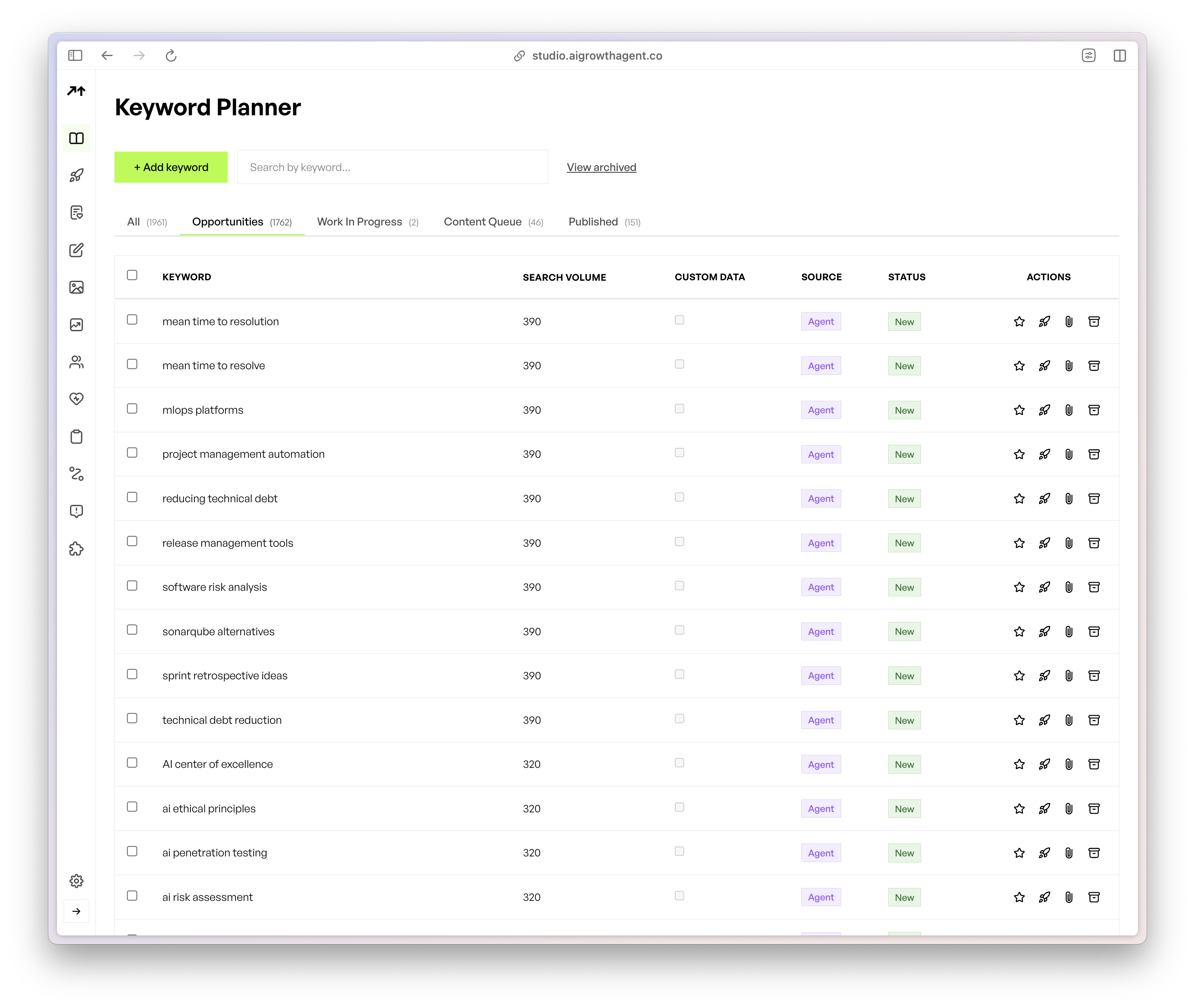
AI Growth Agent takes the hassle out of image optimization with a fully automated platform. Our AI agents manage every step with precision, freeing your team from technical tasks.
What Our Platform Handles
Our system goes beyond basic tools by automating complex tasks. Here’s how we solve the image challenge:
- Choosing or creating images that match your brand and content goals.
- Converting images to optimal formats like AVIF and WebP, with fallbacks for compatibility.
- Scaling images for different devices and applying smart compression for speed.
- Generating precise alt text and schema markup based on content context.
Benefits for Your Marketing Team
With AI Growth Agent, marketing leaders can focus on strategy instead of technical details. Our platform delivers consistent, high-quality optimization across all images, something hard to achieve manually. You get enterprise-level results without needing extra resources or constant updates.
Ready to boost your AI search visibility? Schedule a demo with AI Growth Agent to explore how we simplify image optimization for better results.
Key Questions on Image Optimization for AI Search
Here’s clarity on common concerns about preparing images for AI search engines.
Which Image Format Works Best for AI Search?
A layered approach with AVIF as the primary format, WebP as a backup, and JPEG for older systems maximizes performance and reach. This setup ensures AI crawlers and users get the best possible image quality and speed.
How Does Alt Text Affect AI Visibility?
Alt text helps AI search engines understand what an image shows and why it matters in your content. Descriptive, relevant alt text increases the chances of AI citing your content for related user searches.
Does Compression Hurt Image Quality?
Modern formats like AVIF and WebP reduce file sizes with little noticeable quality loss. Automated tools can find the right balance, keeping visuals professional while improving load times, which AI systems value.
Why Does Responsive Design Matter for AI Rankings?
Responsive images improve load speeds and user experience across devices. AI search engines use these factors to gauge content quality, so well-adjusted images can lift your visibility and citation odds.
How Often Should You Update Image Optimization?
Image optimization needs regular attention as AI algorithms and format standards change. Continuous updates keep your entire image collection aligned with what AI search engines expect from high-quality content.
Secure Your Brand’s Place in AI Search
AI search has changed the game, making images vital for online visibility. They’re not just visuals but key factors in whether AI systems recommend your content. Brands sticking to outdated methods risk fading from view, while those optimizing images gain authority and traffic.
The complexity of modern image setup, from format choices to responsive delivery, can overwhelm most teams. AI Growth Agent steps in with an automated solution, ensuring every image meets AI search standards without manual effort.
Don’t let unoptimized images limit your brand’s reach. Schedule a demo with AI Growth Agent now to see how we can turn your visual content into a driver of AI search success.