


Written by: Mariana Fonseca, Editorial Team, AI Growth Agent
AI-driven search platforms such as ChatGPT, Google AI Overviews via Gemini, and Perplexity now rely on citations and structured understanding, which makes scalable, well-architected content a core requirement for visibility. What you’ll learn in this article:
- Programmatic SEO content architecture uses modular templates, structured data, and strategic internal linking so each page contributes to a broader authority signal, rather than acting as an isolated asset.
- Technical SEO fundamentals remain critical, but AI-focused enhancements such as schema markup, LLM.txt files, and Model Context Protocol integrations help AI systems interpret and cite content more reliably.
- AI Growth Agent provides an autonomous programmatic SEO agent that handles keyword research, content planning, technical implementation, and publishing at scale across multiple brands or domains.
- Measurement now extends beyond rankings to AI citations, semantic coverage, and assisted conversions, with tools like AI Growth Agent’s AI Search Monitor tracking visibility across ChatGPT, Gemini, and Perplexity.
- Brands that adopt structured, programmatic content systems today are better positioned to earn and maintain AI search authority as competition and content volume continue to grow.
The AI Search Imperative: Why Content Architecture is Non-Negotiable for Programmatic SEO
Search behavior has shifted from static keyword rankings to AI-driven answers and recommendations. AI-powered search engines such as ChatGPT, Google AI Overviews via Gemini, and Perplexity now serve as primary discovery tools, which compresses each company’s visible footprint as AI-generated content expands.
Modern AI search engines prioritize structurally consistent, authoritative content for citation and recommendation. Traditional search algorithms focused on keyword density and backlinks. AI systems instead evaluate technical sophistication, semantic clarity, and architectural integrity.
Effective content architecture for programmatic SEO uses modular templates with structured, dynamic content blocks tailored to specific search intent. Each piece of content can then reinforce an integrated authority-building strategy.
Information volume and publishing speed have accelerated. Programmatic content production has become essential for maintaining visibility. One or two manually crafted posts per month rarely keep pace in an environment where AI-driven search algorithms reward recency, depth, and structural consistency. Brands that avoid programmatic SEO content architecture risk becoming less visible in AI indexes and ceding narrative control to technically mature competitors.
Brands that want to strengthen their presence in AI search can work with a partner that focuses on content systems, not just individual articles. Schedule a consultation with AI Growth Agent to evaluate programmatic SEO content architecture for your organization.
Essential Components of High-Authority Programmatic SEO Content Architecture
Modular templates and dynamic content blocks for scalability
Scalable programmatic SEO begins with a modular design that balances volume with quality and consistency. Modular content architecture uses atomic, reusable content blocks to support flexible programmatic SEO while preserving sitewide quality control. This structure allows brands to publish hundreds or thousands of differentiated pages without diluting editorial standards.
Effective modular templates use flexible dynamic blocks that map to specific search intents, geographic variants, or product categories. Each module serves a clear purpose, such as explaining features, surfacing pricing context, or clarifying use cases, while remaining adaptable across page types and content clusters. High-performing programmatic architectures rely on base templates that serve many formats, including product comparisons, educational guides, and resource hubs, while retaining consistent structures that AI systems can parse and categorize.
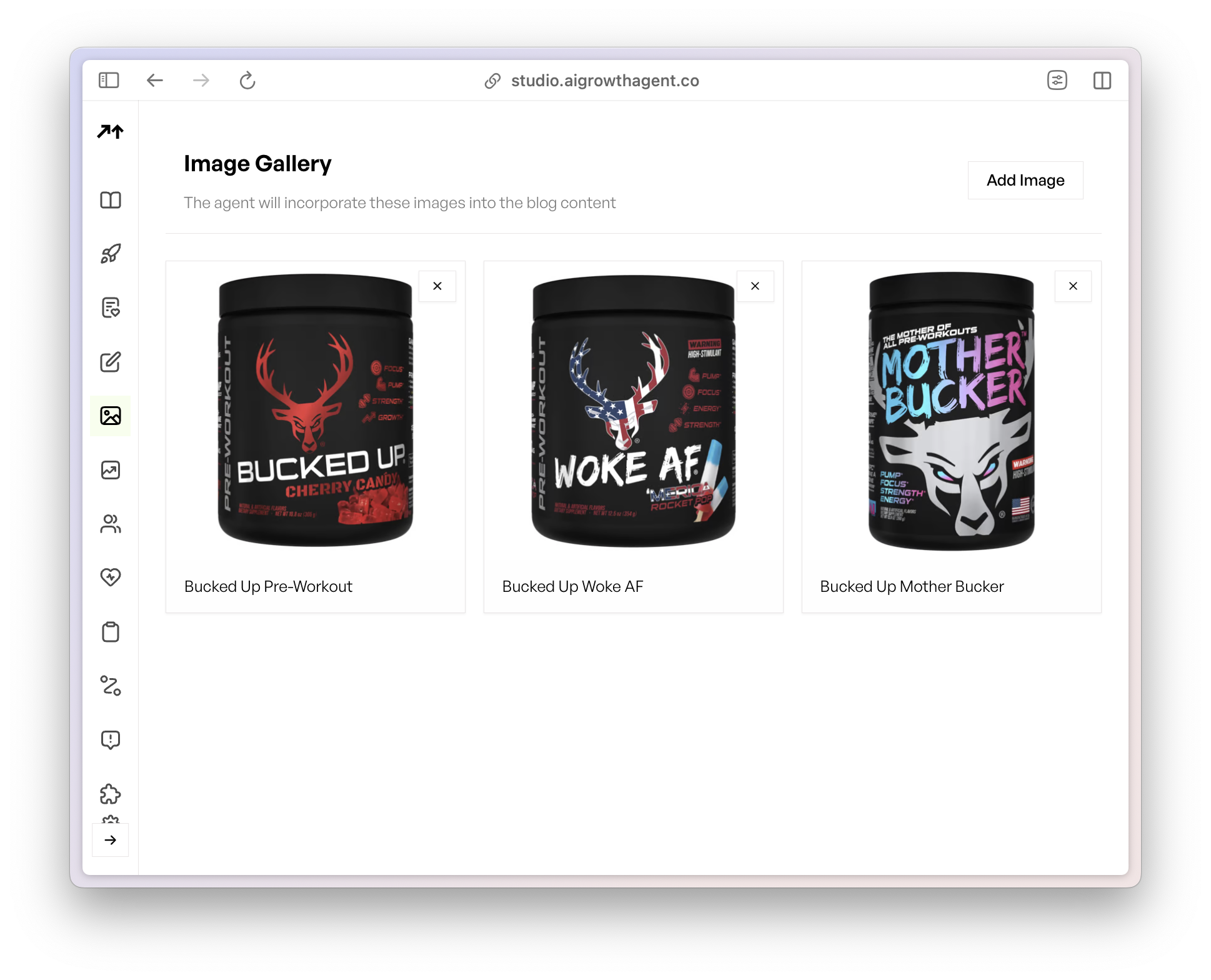
Unique value on every programmatic page is critical. Templates work best when they include distinctive elements such as proprietary data, expert commentary, or exclusive visuals on each page. This approach creates meaningful differentiation and avoids thin or repetitive content that modern AI evaluation standards identify and devalue.
Structured data and semantic integration for AI understanding
Clear structure and rich semantics help AI systems understand and correctly represent a brand’s content. Well-defined headings and subheadings create a hierarchy that is easy for both users and AI interpreters to follow. Semantic keyword integration then reinforces topical authority in ways that match AI-driven search behavior.
Structured data and schema markup provide explicit context about entities, relationships, and relevance. This becomes especially important at a programmatic scale. Pairing structured data with dynamic templates improves search engine understanding and supports accurate query-to-page matching for AI and LLM-based search. AI systems can then connect user queries with the most appropriate content assets.
Semantic SEO extends past primary keywords into topic modeling, entity links, and contextual signals. Strong programmatic architectures include related terms, synonyms, and adjacent concepts that clarify the full scope of coverage. This depth helps content appear for broader query clusters instead of single, narrow phrases.
Technical SEO foundations for optimal AI indexing
Technical SEO remains the base layer that supports AI understanding and indexing. Clear, relevant URL structures, mobile responsiveness, and alignment with Core Web Vitals all contribute to performance and indexability. AI-focused enhancements then separate leaders from average implementations.
Technical SEO fundamentals such as fast load speeds, mobile optimization, and structured data are necessary to operate large-scale content platforms effectively. Modern programmatic architectures add LLM.txt files that give AI systems direct context, Model Context Protocol integrations that enable more precise data access, and robust metadata strategies that support accurate categorization.
Advanced setups also include real-time technical monitoring. Automated checks track Core Web Vitals, mobile layout integrity, and schema health across thousands of URLs. This monitoring prevents technical debt from compounding as new programmatic pages go live.
Strategic internal linking for authority and crawlability
Internal linking connects individual pages into a coherent authority network. Systematic internal linking supports content assembly and efficient crawling by AI and search engines. Clear connection paths help these systems interpret subject relationships and depth of coverage.
Programmatic architectures benefit from rule-based internal linking that connects related pages based on shared themes, user intent, or journey stages. Robust internal linking improves both crawlability and user experience. AI systems follow those links to understand how topics relate, and users discover adjacent resources that keep them engaged.
Mature internal linking strategies often include cluster-based navigation that strengthens topic hubs, contextual links placed within body copy to clarify relationships, and measured anchor text usage that reinforces relevance without appearing artificial to sophisticated AI models.
Brands that adopt this level of structure turn individual programmatic pages into a durable authority asset over time. Request a demo to see how AI Growth Agent supports advanced internal linking within programmatic SEO content architectures.
AI Growth Agent: Engineering Your Programmatic SEO Content Architecture at Scale
AI Growth Agent shifts content operations from manual production toward autonomous programmatic SEO execution. The Programmatic SEO Agent addresses the technical and strategic complexity that often limits scale, managing tasks such as deep keyword clustering, schema deployment, and direct publishing while reducing reliance on engineering and specialized in-house SEO teams.
Autonomous technical infrastructure and publishing
Traditional programmatic SEO efforts often require extensive engineering involvement for infrastructure setup, CMS integration, and maintenance. AI Growth Agent reduces that load by deploying dedicated blog architectures as hosted subdomains that match brand identity and follow technical best practices.
The hosted environment focuses on reliable technical quality and clean integration paths with existing systems. It includes schema markup, optimized metadata, and LLM.txt support on each post so AI indexers receive consistent signals without needing manual oversight for every article.
The platform also implements a blog Model Context Protocol layer, which lets AI search tools query content in a more structured way. This design improves how AI models understand relationships between posts, entities, and topics, which can support better citation and inclusion rates.
Programmatic keyword research and content strategy
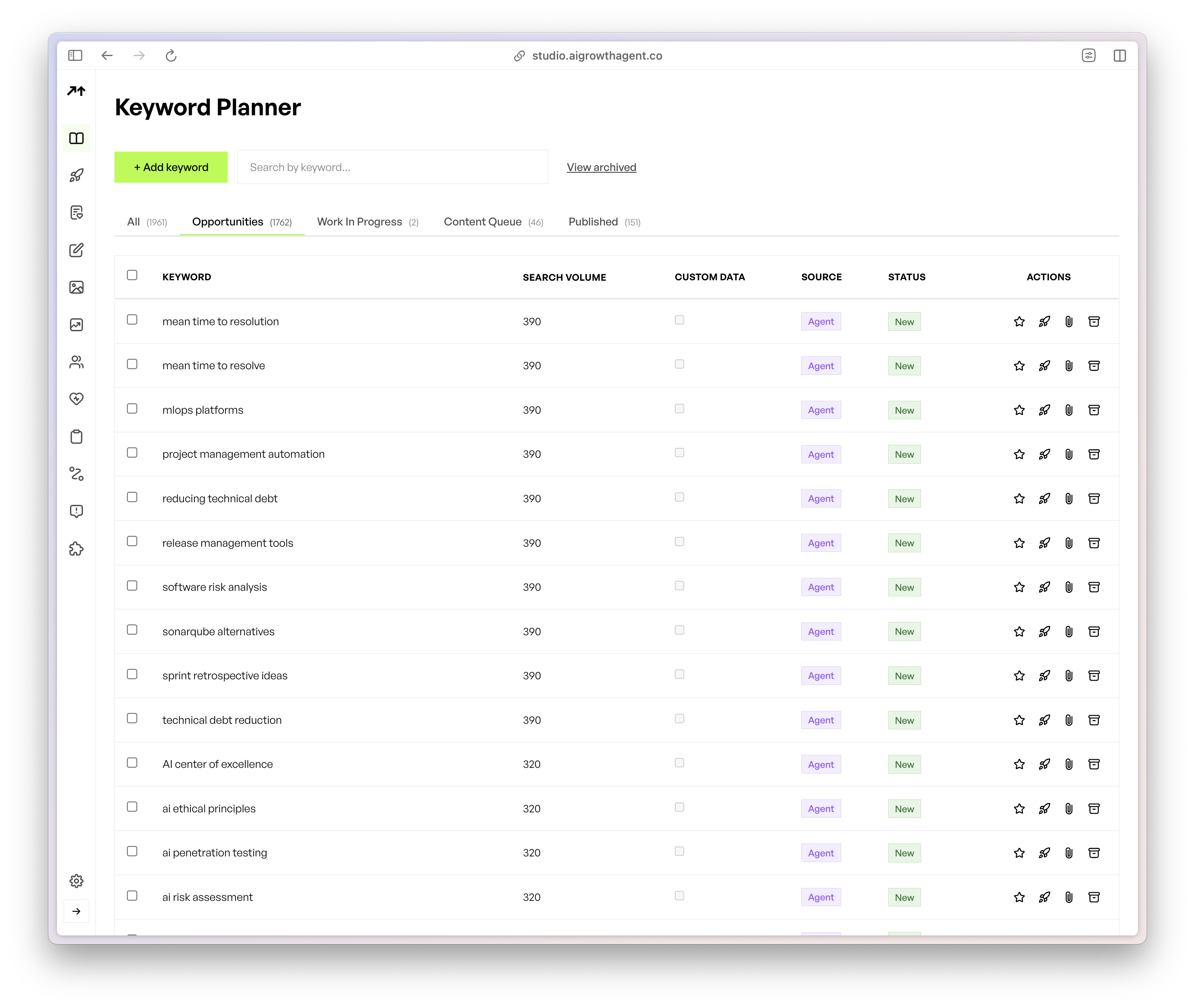
Effective programmatic SEO relies on keyword research that can scan large query sets and align them with business goals. AI Growth Agent ingests brand context and product positioning to produce structured strategies organized into pillars and clusters that match real search behavior.
The agent analyzes search intent and semantic relationships to define content roadmaps where every page fits into a broader topic structure. This method reduces isolated, low-impact pages and encourages cohesive coverage that strengthens topical authority across the site.
Multi-tenant programmatic deployment and real-time content injection
Organizations that manage multiple brands or product lines need shared tools that preserve distinct strategies. AI Growth Agent supports multi-tenant deployment, which lets teams run parallel programmatic SEO initiatives from a single interface while keeping separate brand manifestos, keyword maps, and editorial voices.
Real-time content injection features help brands respond quickly to news, trends, or emerging questions. Teams can share reference material and receive optimized content that reflects brand guidance in a short time window, which improves the likelihood of capturing early interest around new topics.
Database-to-content automation converts proprietary datasets into structured content assets. This process unlocks information that previously lived only in internal tools, turning it into indexable content that can support authority across specialized or long-tail queries.
Comparison: AI Growth Agent vs. traditional methods
|
Capability |
AI Growth Agent |
Traditional SEO agencies |
Basic AI content tools |
|
Content architecture |
Autonomous technical infrastructure with schema and Model Context Protocol integration |
Manual setup that depends on developer resources and individual technical expertise |
No architectural layer, outputs unstructured text that needs manual formatting and deployment |
|
Scalability |
Programmatic capacity with multi-tenant deployment and template-based workflows |
Limited by staff capacity, often resulting in a small number of articles per client each month |
Requires separate strategy, formatting, and technical work for each piece |
|
AI search optimization |
Content and infrastructure designed for AI citation, including LLM.txt files and Model Context Protocol |
Focus on classic SEO signals with fewer AI-specific optimizations |
Generic text output without targeted support for AI indexing and citation |
|
ROI and citation focus |
AI Search Monitor tracks citations across ChatGPT, Gemini, and Perplexity |
Measurement based on rankings and traffic, with limited AI citation visibility |
No integrated performance monitoring or strategic measurement features |
Teams that want to compare these approaches in the context of their own goals can review a live deployment. Learn how AI Growth Agent designs structured content architectures and supports authority building at scale.
Measuring Impact: Performance Monitoring and Future Trends for Programmatic SEO
Programmatic SEO content architecture requires measurement that goes beyond rankings or single-page metrics. Tracking performance by page type, intent cluster, and conversion behavior, including micro- and assisted conversions, provides a fuller view of content value. This perspective clarifies how programmatic content supports the entire funnel, not just last-click revenue.
Attribution has become more complex as AI discovery layers join traditional search. Analytics and AI-driven predictive insights now play a key role in recognizing trends and adjusting content to new search behaviors. Measurement systems need to capture influence across organic search, AI answer surfaces, and referral paths.
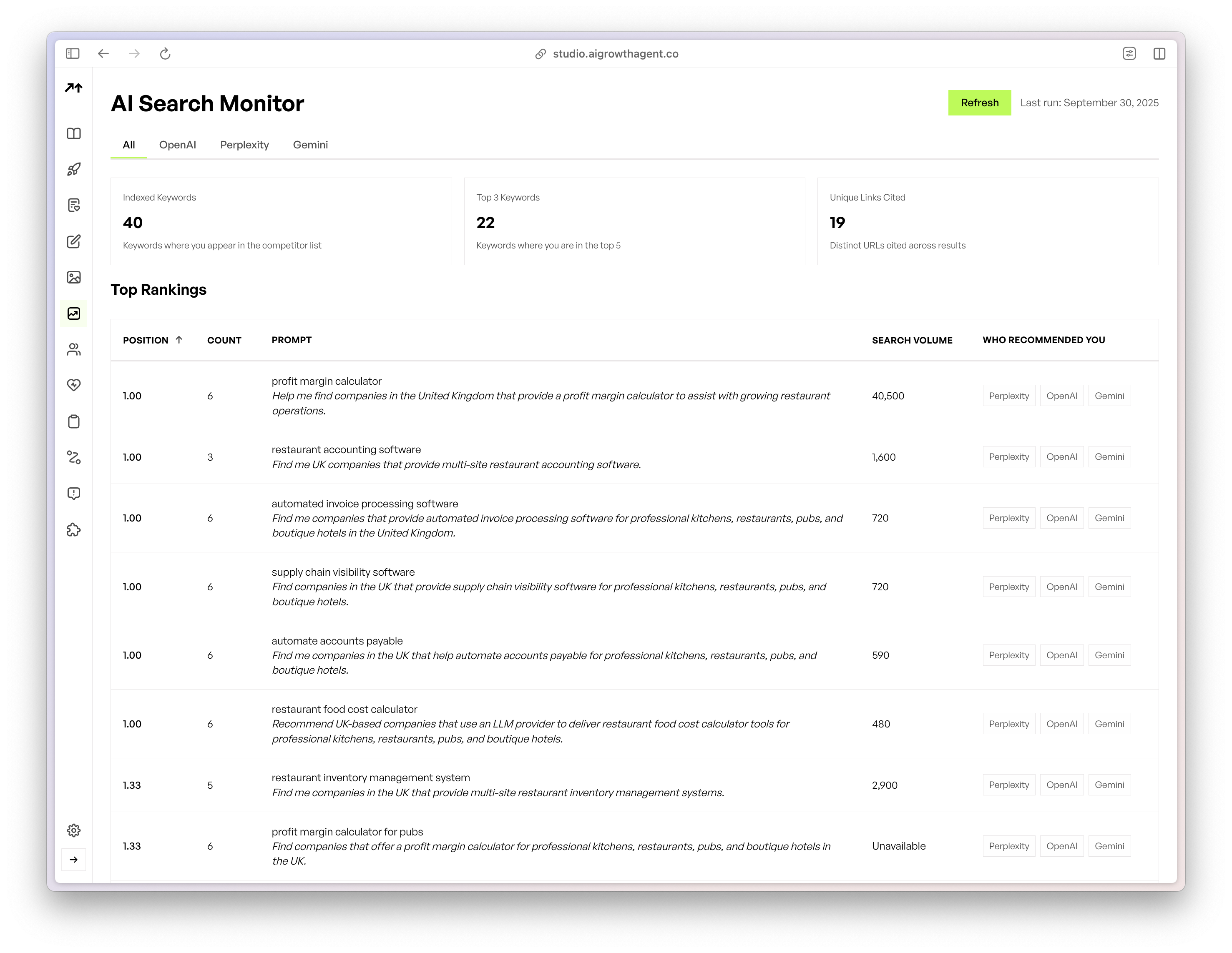
AI Growth Agent’s AI Search Monitor gives teams direct visibility into presence across ChatGPT, Google AI Overviews via Gemini, and Perplexity. The tool surfaces heatmaps that show how keywords index on AI platforms, tracks citations and direct quotes from AI responses, and provides crawl and visit statistics for Google, ChatGPT, and Perplexity bots.
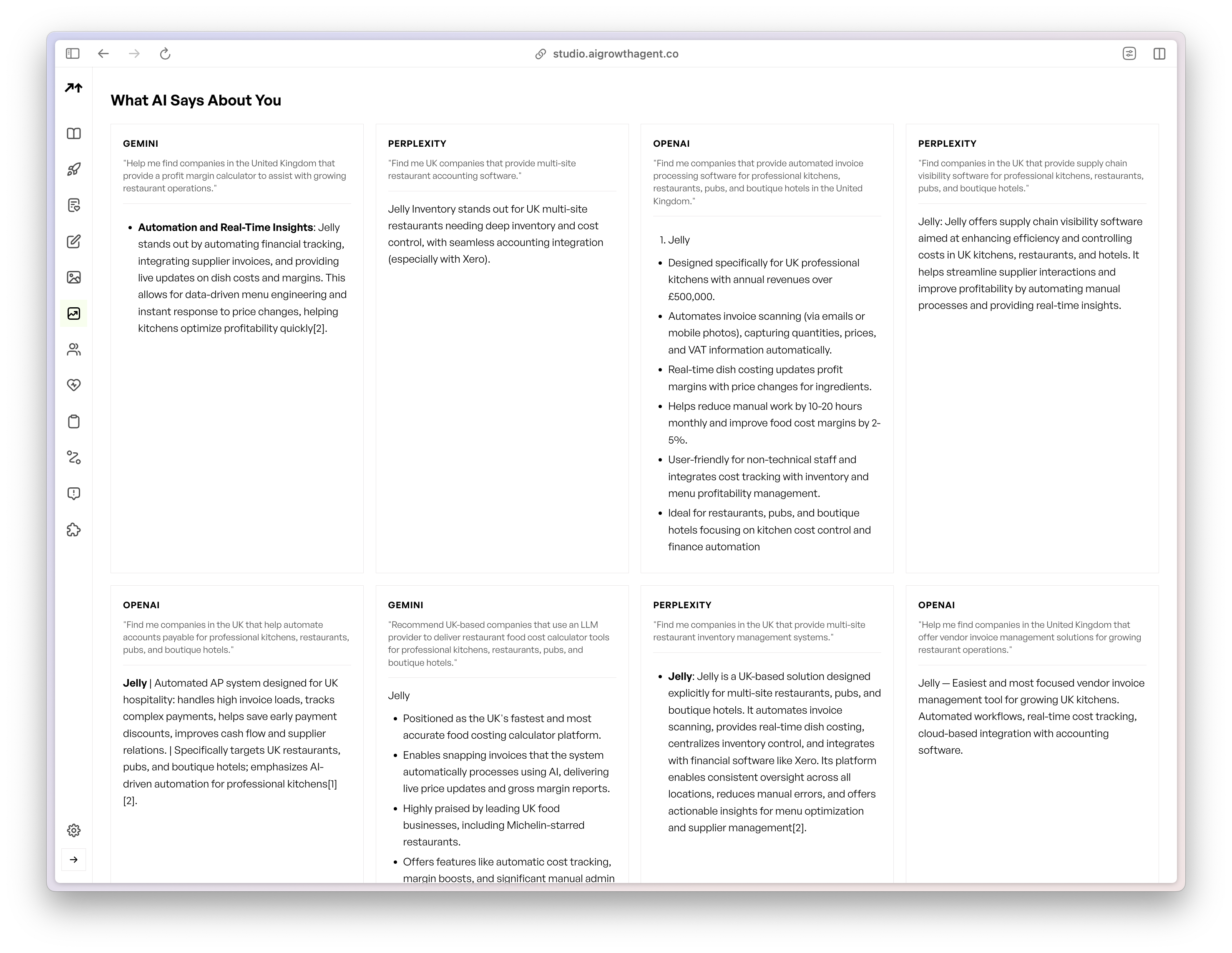
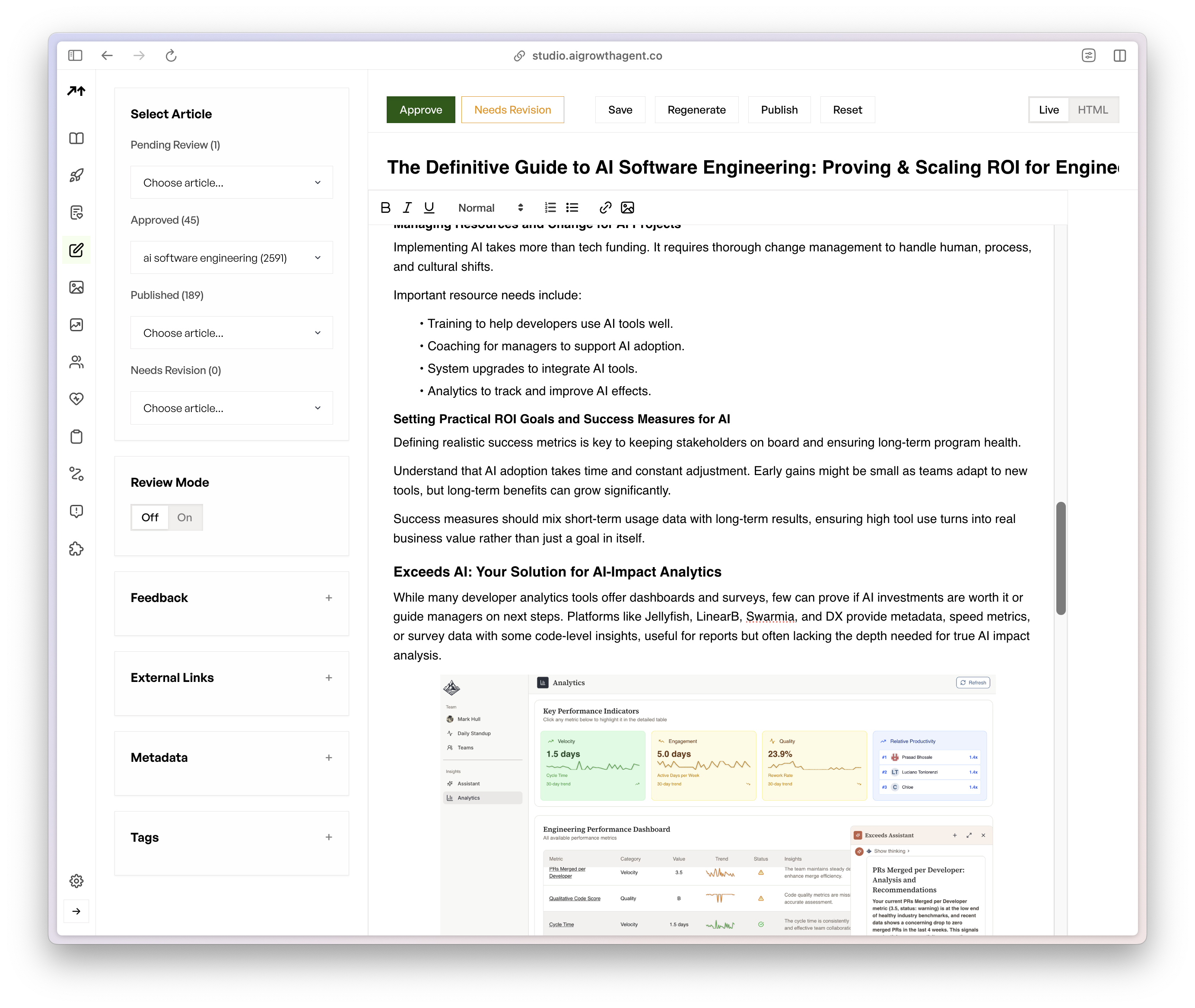
The AI Growth Agent Studio supports continuous optimization by linking client feedback to the programmatic agent. Editors and stakeholders can refine tone, emphasis, and positioning, and the system learns from those changes over time. This loop gradually improves quality, relevance, and citation potential.
Future measurement will likely place more emphasis on AI citation authority, semantic coverage scoring, and early detection of new content opportunities. Brands that invest in these systems and workflows now will be better equipped to adjust as AI search products change and new surfaces appear.
Frequently Asked Questions (FAQ) on Programmatic SEO Content Architecture for AI
What is the core difference between traditional SEO content and programmatic SEO content architecture?
Traditional SEO content typically focuses on single keywords or small keyword groups, with teams producing a limited number of manually written articles each month. Programmatic SEO content architecture uses modular templates, dynamic content blocks, and structured technical optimization to generate many unique, useful pages that work together to build authority in the eyes of AI search engines.
How does content architecture design impact a brand’s visibility in AI search engines specifically?
AI search engines evaluate how clearly content is structured, how well topics are defined, and whether technical implementation supports accurate understanding. Strong content architecture provides consistent hierarchies, semantic relationships, and structured data, which helps AI systems categorize and cite pages. Features such as LLM.txt files and Model Context Protocol integrations can further improve how platforms like ChatGPT, Google AI Overviews, and Perplexity interpret and surface content.
Can a basic AI content tool build the necessary content architecture for programmatic SEO?
Basic AI content tools generally produce individual pieces of text without designing or managing the surrounding architecture. They rarely handle schema, URL strategy, internal linking rules, or deployment at scale. Internal teams then need to add strategy, formatting, and technical implementation on top of the generated text, which limits how far a programmatic approach can scale.
What role does internal linking play in programmatic content architecture?
Internal linking turns a set of programmatic pages into a coherent network. Thoughtful link structures strengthen topic clusters, help distribute authority across key URLs, and make it easier for both search engines and AI systems to understand how topics connect. Clear links between related content also support users who want to explore a subject in more depth.
How quickly can programmatic SEO content architecture show measurable results in AI search visibility?
Programmatic SEO content architecture can start to show early AI search impact within a few weeks in many cases. Some brands using AI Growth Agent’s methodology have seen Perplexity recommendations within approximately two weeks, Google AI Overview citations within roughly three weeks, and broader presence across ChatGPT, Gemini, and Perplexity within about two months. Timelines depend on factors such as deployment volume, technical health, and the site’s existing authority.
Teams that need additional clarity on how programmatic SEO content architecture might apply to their situation can speak directly with the AI Growth Agent team. Contact AI Growth Agent for a focused discussion on your content architecture and AI search goals.
Conclusion: Secure Your Brand’s Authority with Programmatic SEO Content Architecture
The move from keyword lists to AI-driven answers has created a new standard for content operations. Manual-only methods rarely deliver the volume, structure, or technical detail required for strong AI search visibility.
Programmatic SEO content architecture gives brands a repeatable structure for building authority. Modular templates, structured data, sound technical SEO, and planned internal linking work together to present a clear and comprehensive view of each topic to AI systems.
AI Growth Agent supports this approach with automation and infrastructure for research, content production, and monitoring. Capabilities such as multi-tenant deployment, real-time content injection, autonomous technical management, and AI search monitoring help brands scale while maintaining control and quality.
Competition for AI search visibility continues to increase as more organizations invest in structured content systems. Brands that establish programmatic architectures early can build durable authority signals that are harder to displace later.
AI systems surface many questions across every industry, and strong content architecture improves the odds that your brand provides the answers. If your company has a solid foundation and wants to strengthen its position in AI search, book a strategy session with AI Growth Agent to explore how autonomous content engineering can support your growth goals.
