


Key Takeaways
- Programmatic SEO gives marketing teams the scale and consistency needed to earn AI citations and build domain authority faster than manual methods.
- Advanced technical SEO, clear structure, and schema markup help AI systems understand and surface your content accurately.
- Entity-based content architectures and internal linking create topical depth that AI models recognize as expertise.
- Programmatically scaled E-E-A-T and brand-specific insights keep content useful, differentiated, and aligned with AI quality signals.
- Real-time freshness, intent-driven optimization, and AI citation tracking keep your brand visible in AI search results over time.
If you want to build domain authority faster than competitors in the AI era, schedule a demo with AI Growth Agent today to see if you are a good fit for this programmatic SEO solution.
The New Reality: Why Programmatic Velocity is Critical for Domain Authority in AI Search
AI search now expands the web with new content every day. Without a programmatic content strategy, your digital footprint shrinks relative to the volume around it. As AI multiplies the amount of content online, your company’s voice becomes quieter. A tailored, effective programmatic approach keeps you visible to the AI indexers that power modern search.
Information moves faster than most teams can publish. If your brand does not ship high quality content every day, it falls behind. Large language models reward recency, depth, and consistent structure. One or two manually crafted posts a month no longer maintain technical relevance in the competitive landscape of 2025.
In AI search, limited content volume becomes a strategic liability. When your brand offers too few data points, AI systems default to competitors with richer coverage. Their sites earn the citations, recommendations, and narrative control. A programmatic approach such as AI Growth Agent helps marketing leaders match the volume and structure AI search engines expect.
1. Engineer for AI Comprehension with Advanced Technical SEO
Optimizing Content Infrastructure for AI’s Semantic Understanding
Technical SEO for AI now extends beyond basic best practices. It focuses on explicitly structuring content for AI models. Technical SEO for AI in 2025 prioritizes schema markup, clean site structure, fast page speed, and robust crawlability with open robots.txt, up-to-date XML sitemaps, and visible content not hidden in JavaScript.
Schema markup such as FAQ and How-To clearly labels content for AI and improves how your pages appear in AI-generated experiences. Schema markup such as FAQ and How-To is essential to clearly label content for AI, boosting inclusion in AI overviews and summaries. That structured data helps LLMs parse and comprehend your pages and makes it easier for them to extract and cite key details that build authority.
Well-implemented schema markup using JSON-LD, site speed optimization, clearly structured content, and robust technical infrastructure form the top technical pillars for AI-driven generative search. Logical header tags and internal linking help AI engines recognize topic authority and relationships between pages.
AI Growth Agent automates this technical engineering at scale, using advanced LLM.txt files and a blog Model Context Protocol (MCP) to give AI search engines clear, consistent signals. This level of technical detail separates programmatic domain authority building from manual approaches that struggle to apply the same optimization depth across hundreds or thousands of pages.
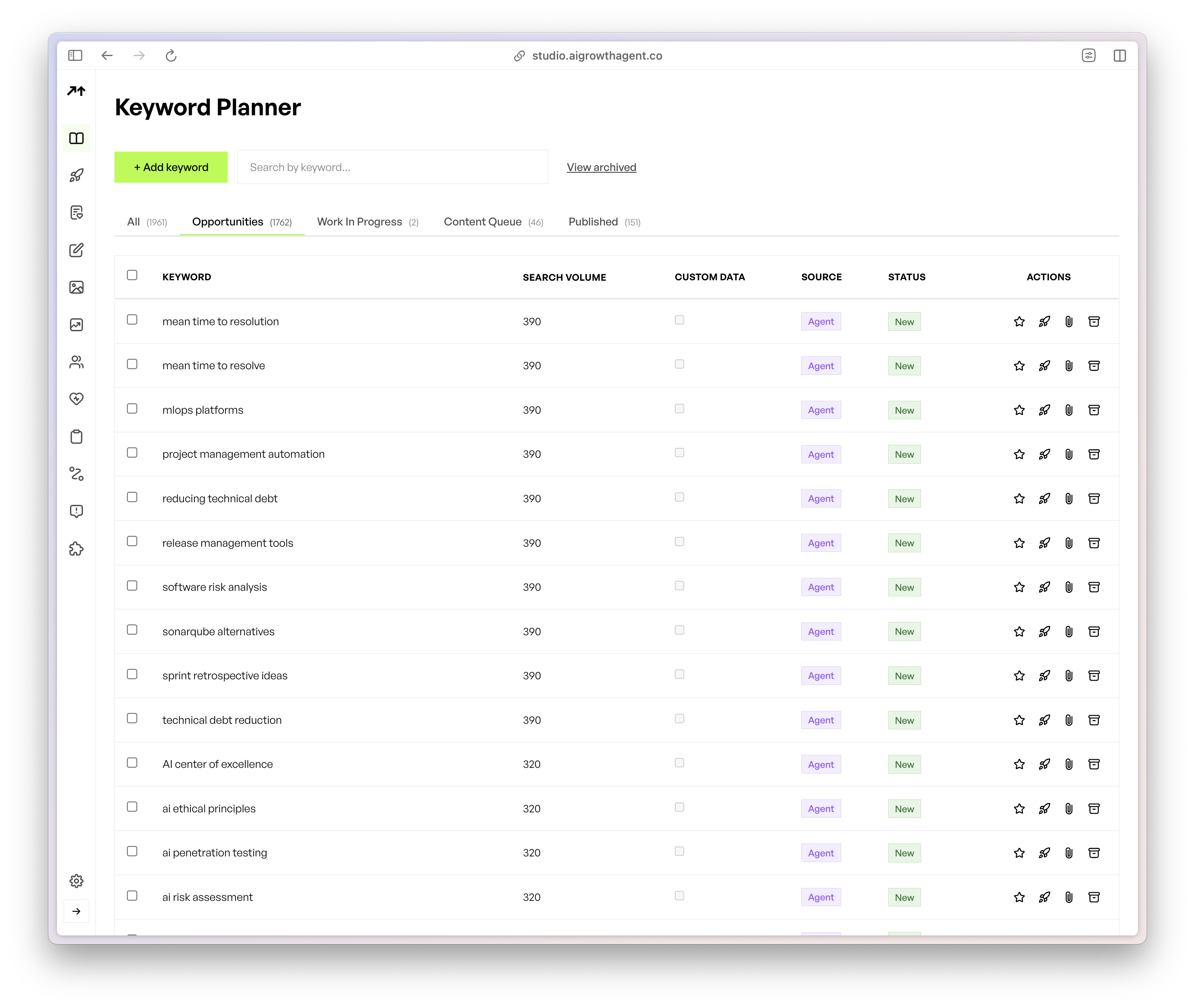
The AI Growth Agent Keyword Planner pairs with this technical foundation by organizing keyword clusters and content templates at scale, so every new page launches with strong technical structure and clear intent targeting.
2. Cultivate Entity-Based Content Architectures and Robust Internal Linking
Building Contextual Authority that AI Recognizes and Cites
AI models assess intent and entity relationships, so content must naturally include relevant entities such as companies, products, and locations while building contextual internal links. This practice creates a web of semantic relevance that AI systems can understand and reference.
Internal entity-based linking strengthens topical authority, making content more likely to be cited or summarized by AI. Bidirectional linking between pillar and cluster pages specifically helps AI engines recognize topic authority and content relationships.
A programmatic strategy can generate large, interconnected content ecosystems that manual workflows rarely match. When AI Growth Agent’s programmatic SEO technology creates content, it automatically establishes entity relationships and internal linking structures across hundreds of articles. This forms a comprehensive knowledge graph that positions your brand as a central resource in its category.
This systematic approach to entity-based content architecture ensures that every piece of content contributes to overall domain authority. The impact compounds over time in a way that manual content programs cannot easily achieve at the velocity now required in the AI era.
3. Programmatically Scale E-E-A-T and Unique, Non-Commodity Content
Proving Expertise and Trustworthiness to AI at Meaningful Scale
E-E-A-T signals including Experience, Expertise, Authoritativeness, and Trustworthiness, such as author information, references, and authoritative external links, are key for LLM and traditional search ranking. These signals need to appear consistently across content so AI systems can reliably treat your site as a trusted source.
Unique, non-commodity content that provides genuinely helpful and satisfying information is favored by Google’s AI search systems. Original insights, proprietary data, and specialized expertise make content more likely to be surfaced, summarized, or cited in AI Overviews and Gemini answers.
AI Growth Agent’s programmatic approach uses a Company Manifesto created during white glove onboarding to guide content production. Every piece of content reflects your specific expertise, positioning, and terminology. This brand-specific research and content generation supports E-E-A-T at scale and avoids the generic, interchangeable copy that AI systems increasingly filter out.
If you need to scale authoritative content that meets E-E-A-T standards, schedule a consultation with AI Growth Agent to see how this programmatic approach can establish your expertise at meaningful scale.
The programmatic advantage becomes clear when you compare output. A manual content program might publish two or three high quality, E-E-A-T-optimized articles each month. AI Growth Agent can generate dozens of pieces that maintain the same level of expertise and authority signals, creating a comprehensive knowledge base that AI search engines can reference repeatedly.
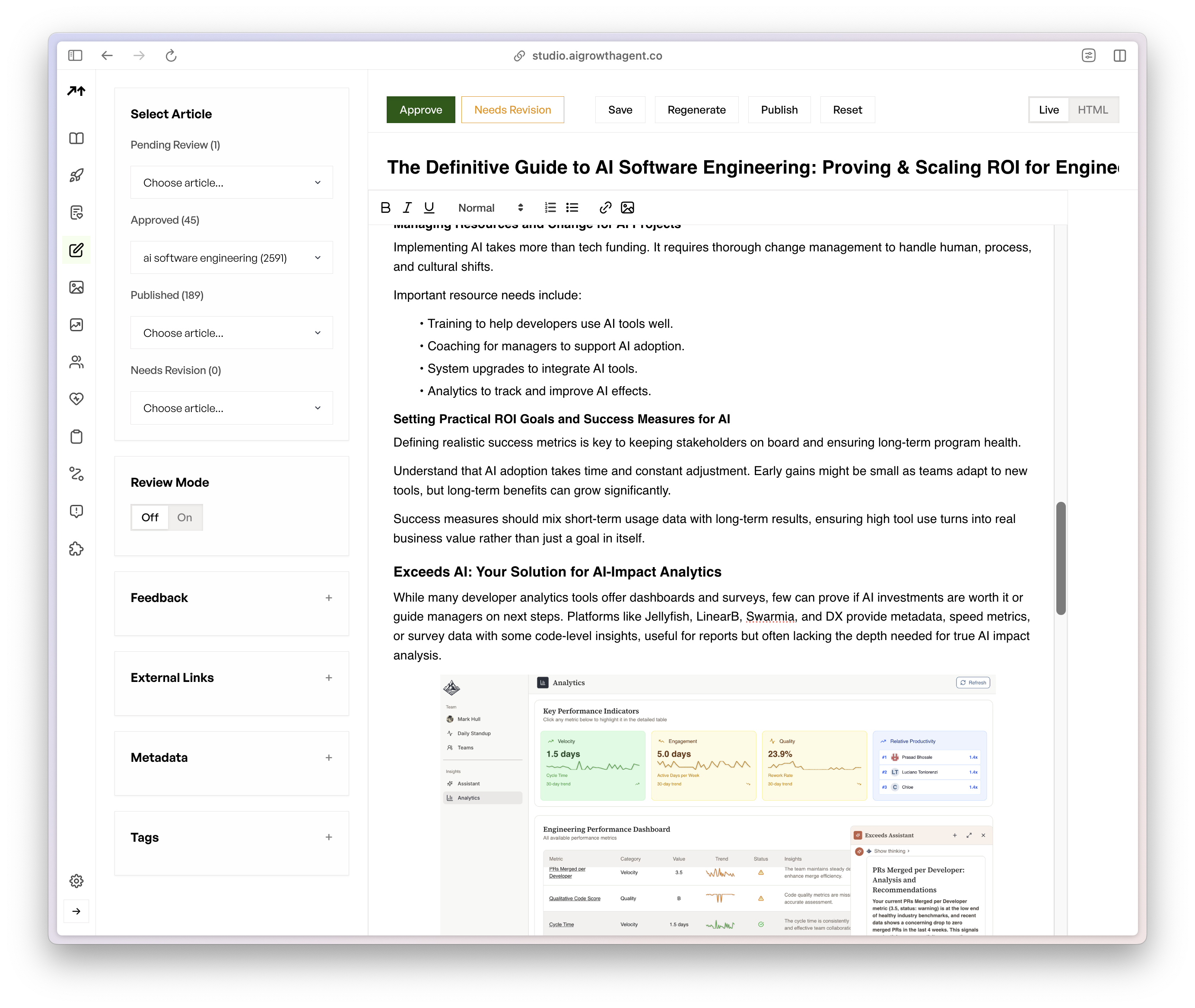
Content teams can review and refine articles inside the AI Growth Agent Rich Text Content Editor, so programmatically generated drafts still pass through human judgment and brand checks before publishing.
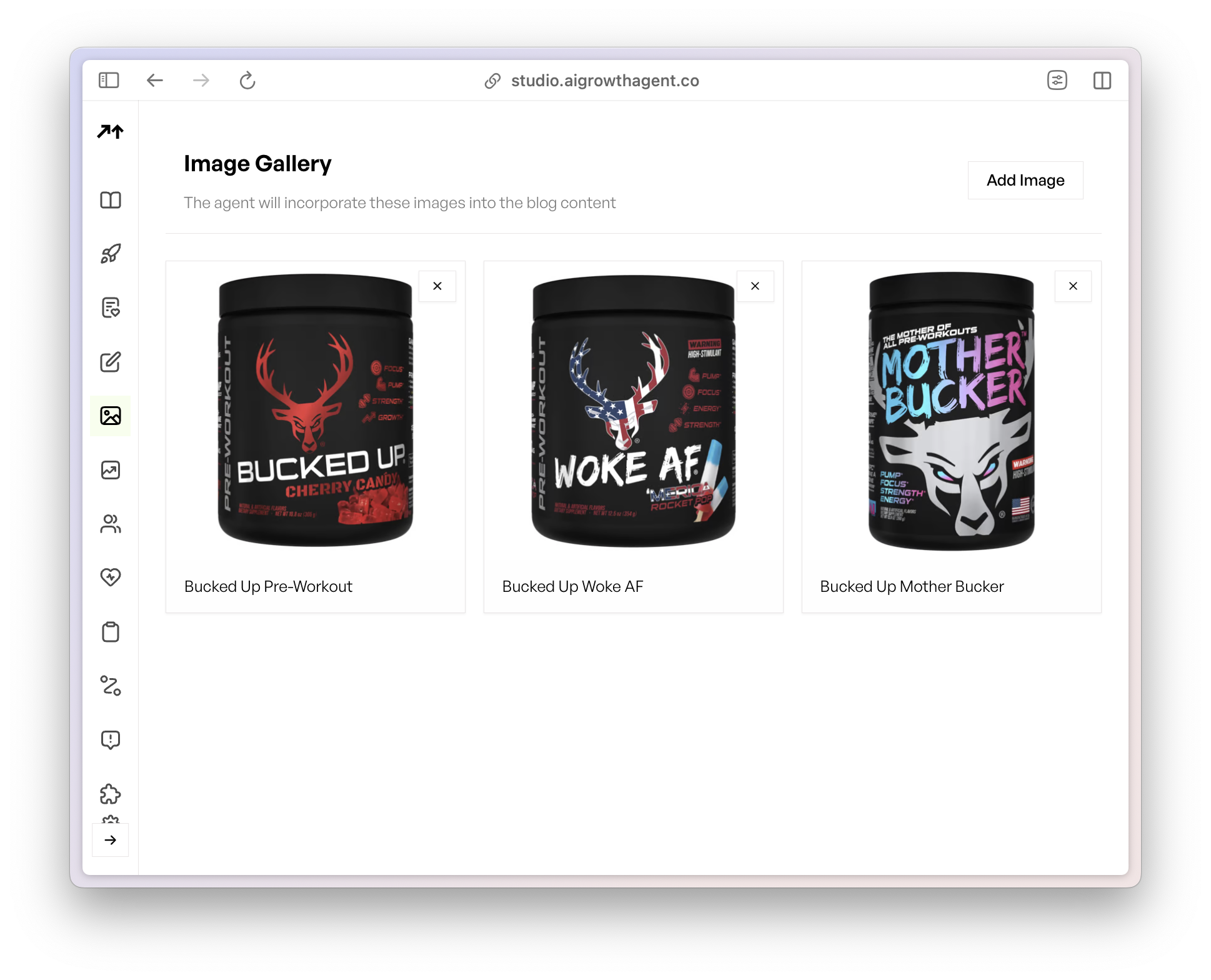
Teams can also give the agent product screenshots, diagrams, or other visuals, which the system can incorporate naturally into articles to enhance clarity and engagement.
4. Implement Real-Time Content Freshness and Intent-Driven Optimization
Sustaining Relevance and Citation in the Rapidly Evolving AI Landscape
AI systems use freshness signals like updated timestamps and new data, and regular content updates tie directly to visibility. Regularly updating content helps counteract AI hallucinations and ensures fresher, more accurate visibility in AI answers.
AI Growth Agent’s Real-Time Programmatic SEO Content Injection capability helps brands capture search volume from breaking topics within minutes. When your team provides a link to a trending news article, the agent quickly generates high quality, SEO-optimized content that adds your brand’s point of view. This keeps your site involved in fast-moving conversations that AI systems monitor.
Intent-driven and long-tail semantic keywords, including Latent Semantic Indexing terms, optimize for AI search relevance beyond exact-match keywords. AI SEO platforms in 2025 focus on semantic relevance, long-tail opportunities, and context-driven keyword strategies to capture nuanced visibility in AI-powered results.
Programmatic systems can continuously monitor trends, expand long-tail coverage, and refresh existing content to maintain relevance. This automation supports steady growth in AI citations as systems reward recency, coverage, and updated information in their ranking and summarization logic.
5. Track Advanced AI Citation Metrics Beyond Traditional SEO KPIs
Quantifying True AI Authority and Demonstrating Impact
Traditional SEO metrics alone no longer show the full picture in AI search. AI visibility should be tracked not only by traditional search metrics, but also by AI search citations such as those from Perplexity and ChatGPT.
AI Growth Agent’s AI Search Monitor provides this expanded view through a comprehensive feedback loop. The platform surfaces a heatmap of how you index for target keywords across ChatGPT, Gemini, and Perplexity, shows specific URLs that drive AI visibility, and highlights direct quotes and citations of your content in AI responses. These insights support continuous improvement that model feedback loops and automated change tracking identify as critical for continuous improvement and attribution of what actually drives AI visibility.
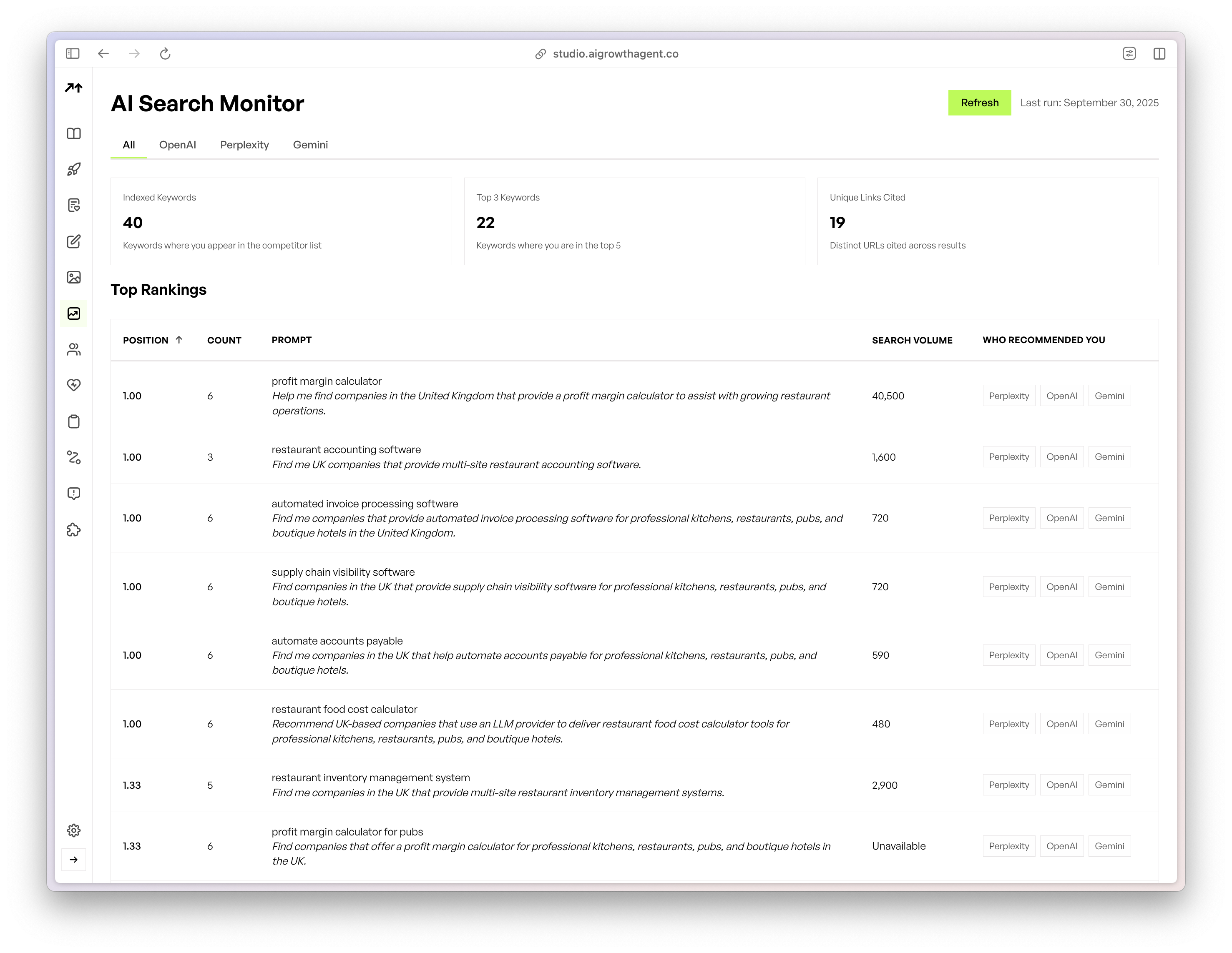
The platform also tracks real-time ChatGPT citations and crawl statistics for Google, ChatGPT, and Perplexity bots, while integrating with Google Search Console to connect this AI visibility with organic traffic growth from programmatic content.
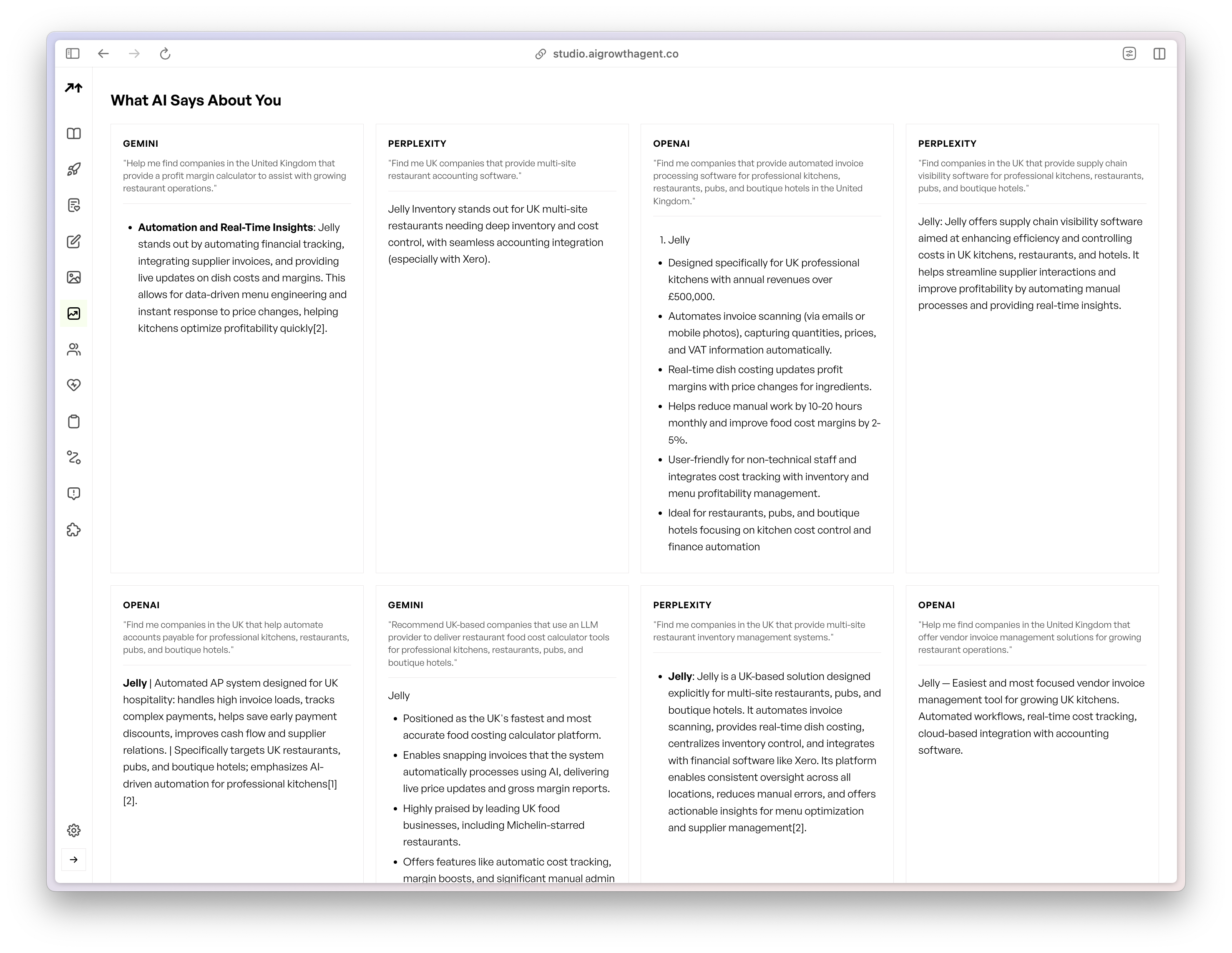
You can monitor SERP feature presence, including rich results, People Also Ask, and AI summaries, as a direct KPI for alignment with entity-driven, LLM-powered ranking systems. Monitoring for SERP feature presence—such as rich results, People Also Ask, and AI summaries—serves as a direct KPI for alignment with entity-driven, LLM-powered ranking systems. This combination of AI and search analytics helps you measure and optimize for true AI authority, not only traditional domain authority metrics.
Frequently Asked Questions
What is the biggest challenge for domain authority in the AI search era?
The biggest challenge is the need for both scale and sustained quality of content that is technically optimized for AI consumption. As AI multiplies online content daily, traditional manual approaches cannot generate the volume and structural consistency required to establish a strong presence and earn citations from LLMs. Marketing leaders need a solution to the scale versus quality equation to remain competitive in AI search results.
How do AI search engines prioritize content for citation?
AI search engines tend to prioritize content that shows clear E-E-A-T signals, uses well-structured schema markup, includes relevant entity relationships, and is updated regularly with fresh information. They favor unique, non-commodity content with proprietary insights and specialized expertise. Content also needs to be technically accessible to AI crawlers and structured in ways that support easy extraction and summarization.
Is traditional SEO still relevant for building domain authority in 2025?
Traditional SEO fundamentals such as site speed, mobile-first indexing, and basic crawlability still matter as a foundation. To build domain authority faster and earn AI citations, you also need a programmatic approach that automates technical engineering, scales high quality content, and optimizes specifically for AI comprehension. Manual SEO strategies alone cannot keep up with the velocity and depth required to gain an advantage in AI search.
How can I track my domain’s visibility in AI search results?
You need to move beyond traditional metrics to track AI visibility effectively. This includes monitoring how your content indexes across AI tools like ChatGPT, Gemini, and Perplexity, reviewing direct quotes and citations of your content within AI responses, identifying specific URLs that drive AI visibility, and tracking AI crawler activity in real time. Comprehensive AI monitoring platforms provide heatmaps and analytics that reveal your true authority in AI-powered search results.
What makes programmatic SEO more effective than manual content creation for domain authority?
Programmatic SEO supports large, interconnected content ecosystems with consistent technical optimization that manual workflows struggle to match at scale. While manual methods might produce a few high quality articles per month, programmatic systems can generate hundreds of technically strong, brand-aligned pieces that build deep topical authority. This systematic approach to entities, internal linking, and schema implementation can accelerate domain authority growth compared with manual-only strategies.
Conclusion: The Imperative for Programmatic Domain Authority
The race for domain authority has changed in the AI search era. To become the answer that AI systems cite, marketing leaders benefit from programmatic strategies that combine automation, scale, technical precision, and continuous optimization. Manual methods alone rarely match the velocity, depth, and consistency now required to outperform competitors.
AI Growth Agent gives teams this edge by engineering high authority content architectures that help your company lead its category in AI search results. The platform reduces technical friction while preserving the quality and expertise signals that AI systems reward with citations and recommendations.
If you want to build domain authority that outpaces competitors in the AI search era, schedule a demo with AI Growth Agent today and see how autonomous content engineering can support your brand’s position as a leading authority in its category.
