Written by: Mariana Fonseca, Editorial Team, AI Growth Agent
Executive summary
- Website loading speed now acts as a core signal of domain authority for AI search engines, influencing how often your pages appear in AI-generated answers and link citations.
- Small delays create outsized impact, as bounce rates can increase by 32% when page load time rises from 1 to 3 seconds, which lowers engagement, conversions, and perceived authority.
- Core Web Vitals, real-user performance data, and mobile experience shape how AI systems evaluate your site, with top-ranking pages often loading in under two seconds.
- Common performance issues include slow hosting, uncompressed images, and render-blocking code, but improvements in hosting, caching, CDNs, and image optimization can quickly raise speed and authority signals.
- Programmatic SEO and tools like AI Growth Agent help teams scale technically optimized content, monitor Core Web Vitals and AI search coverage, and maintain performance as content volume and complexity grow.
- Marketing leaders who treat speed as an ongoing investment, measure ROI across conversions and organic visibility, and prepare for evolving AI and mobile performance standards gain durable authority advantages.
Why slow website loading speed reduces your domain authority in AI search
Website loading speed now acts as a primary filter for which pages AI search engines consider authoritative enough to surface and cite. A site that feels slow to users sends negative engagement signals that weaken domain authority across all channels.
The user experience impact goes beyond bounce rates
User expectations for speed have tightened, and even small delays now feel disruptive. Websites on Google’s first page average 1.65 seconds load time, while top-performing U.S. websites load in 1.08 seconds, creating a benchmark that many B2B and SaaS sites do not reach.
Slow loading speed triggers a negative feedback loop. Users abandon pages, session depth falls, and return visits drop. Search engines interpret this behavior as a sign that content is less valuable or relevant, which erodes authority signals over time.
The Core Web Vitals challenge: Google’s AI-driven performance metrics
Core Web Vitals now sit at the center of how search and AI systems judge site quality. Google now measures speed with Core Web Vitals: LCP (loading), INP (interactivity), and CLS (visual stability), and these metrics roll up into performance scores that influence domain authority.
The technical bar has also risen. Interaction to Next Paint (INP) officially replaced First Input Delay (FID) in 2024 as the standard for measuring interactivity, which puts more weight on how responsive a page feels throughout the visit, not just on the first tap or click.
Real-user performance data now has direct ranking consequences. Google uses field data (real-user metrics) for ranking decisions, making continuous monitoring essential. Short-term slowdowns, heavy new pages, or code changes can lower performance scores and suppress authority for weeks or months.
The authority gap: how AI search engines interpret speed
AI search engines connect fast performance with reliable, well-maintained sites. Systems that summarize the web at scale need predictable, fast-loading sources to serve users efficiently, so they treat speed as a proxy for investment in quality and stability.
This dynamic creates a structural advantage for organizations that prioritize performance. If a site has poor Core Web Vitals, Google may rank competitors higher even with better content, which turns speed into a prerequisite for authority instead of a secondary enhancement.
AI systems also favor fast sites when selecting citations for tools like AI Overviews, Perplexity, or ChatGPT browsing. A slow site is more likely to be skipped in favor of a faster alternative that delivers similar information with less friction.
Common causes of slow website loading
Teams need a clear view of the main technical issues that slow pages and dampen authority signals. Most common speed problems are slow hosting (high TTFB), unoptimized images, and render-blocking code, and each category requires a different fix.
Image weight usually offers the largest quick win. Large uncompressed images add significant page weight; modern formats like WebP or AVIF combined with compression dramatically improve speed. Many sites can cut page size by double-digit percentages with image work alone.
Hosting quality sets the upper limit for performance. Time to First Byte (TTFB) exposes the strength of your infrastructure, and underpowered hosting makes it hard to reach competitive Core Web Vitals even with front-end optimization.
How to improve website loading speed for stronger AI authority
Effective speed optimization combines technical fixes, infrastructure upgrades, and ongoing monitoring. Marketing and growth teams see the best results when they treat speed as part of their authority strategy, not as a one-off project.
Technical optimization fundamentals
Strong performance starts with core on-page optimizations that make every asset lighter and faster to load. Three areas usually deliver the largest impact:
- Images. Image work should focus on next-generation formats and responsive delivery. Converting key images to WebP or AVIF, compressing them, and serving size-appropriate versions to different devices keeps pages fast without sacrificing visual quality.
- JavaScript and CSS. Teams need to reduce render-blocking resources, prioritize critical CSS, and defer non-essential scripts. This approach aligns initial load behavior with Core Web Vitals while keeping full site functionality intact.
- Data and queries. For dynamic, content-rich sites, query optimization, caching, and indexing reduce server work per request and stabilize speed as content volume grows.
These changes improve both user experience and the performance signals that feed into AI-driven authority models.
Infrastructure and content delivery enhancements
Infrastructure decisions often determine how far optimization efforts can go. Improvements in CDNs, hosting, and caching extend the value of on-page work and help maintain consistency under load.
- Content Delivery Networks (CDNs). Modern CDNs do more than cache files geographically. Many offer edge logic, image optimization, and minification that apply performance best practices without touching origin code.
- Hosting. Higher quality hosting delivers lower TTFB, better concurrency handling, and more reliable uptime. These factors matter for both human users and AI crawlers that need stable access.
- Caching strategy. Coordinated browser and server caching creates a layered defense against slow loads. Returning visitors benefit from near-instant experiences, and servers handle more traffic with fewer resources.
Proactive monitoring and continuous improvement
Teams that maintain fast sites treat performance as a recurring process. They track metrics, test changes, and adjust before issues affect rankings and authority.
Benchmarking current speed with tools like Google PageSpeed Insights, GTMetrix, and Pingdom provides a starting point for improvements. These tools highlight Core Web Vitals issues, asset-level problems, and regional differences.
Clear baselines make it easier to prioritize work and quantify gains. Regular audits reveal slow templates, new scripts that add weight, and third-party tools that hurt performance.
Google Search Console serves as the primary monitoring tool for tracking entire site’s Core Web Vitals over time, which turns real-user data into practical guidance on where to focus next.
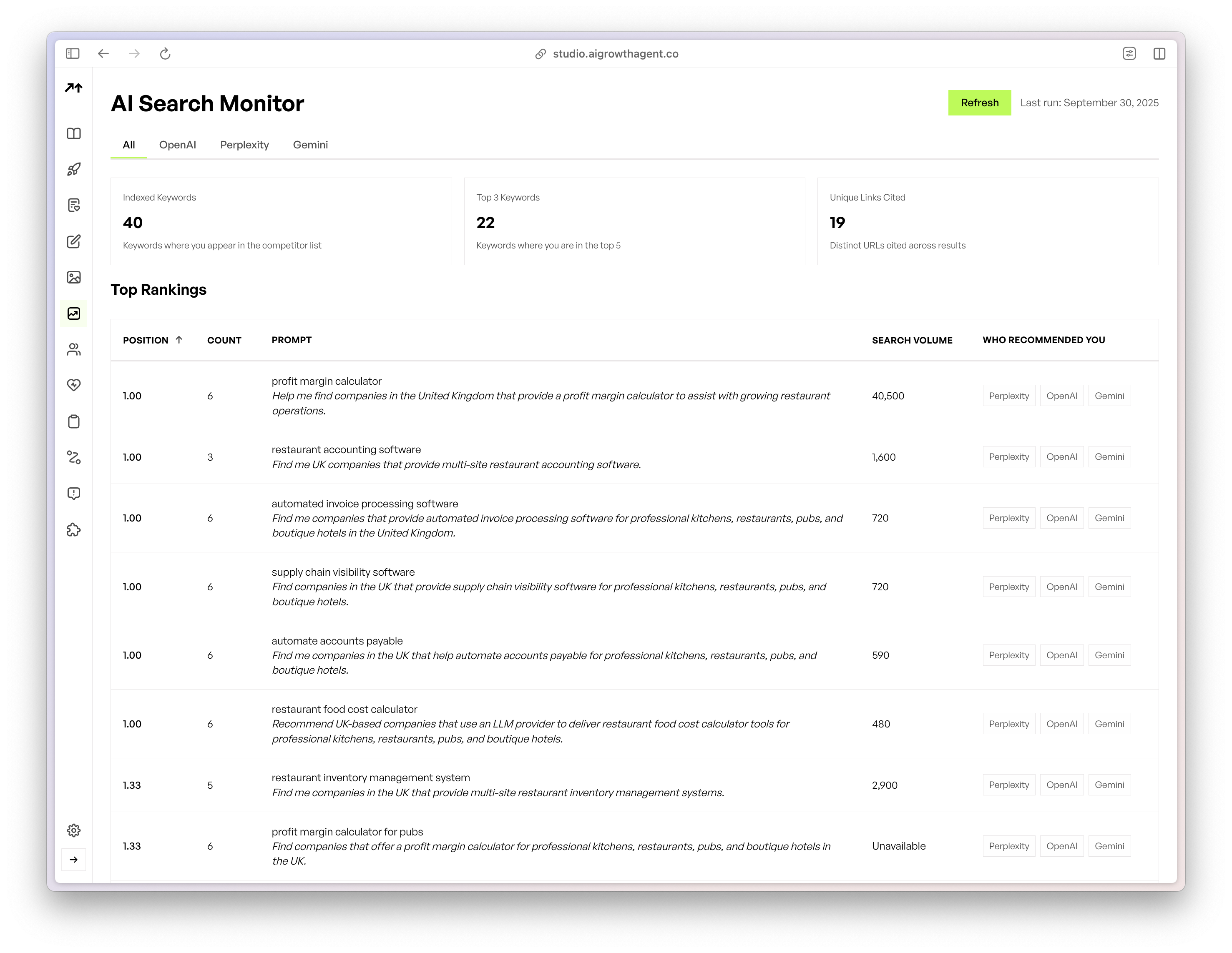
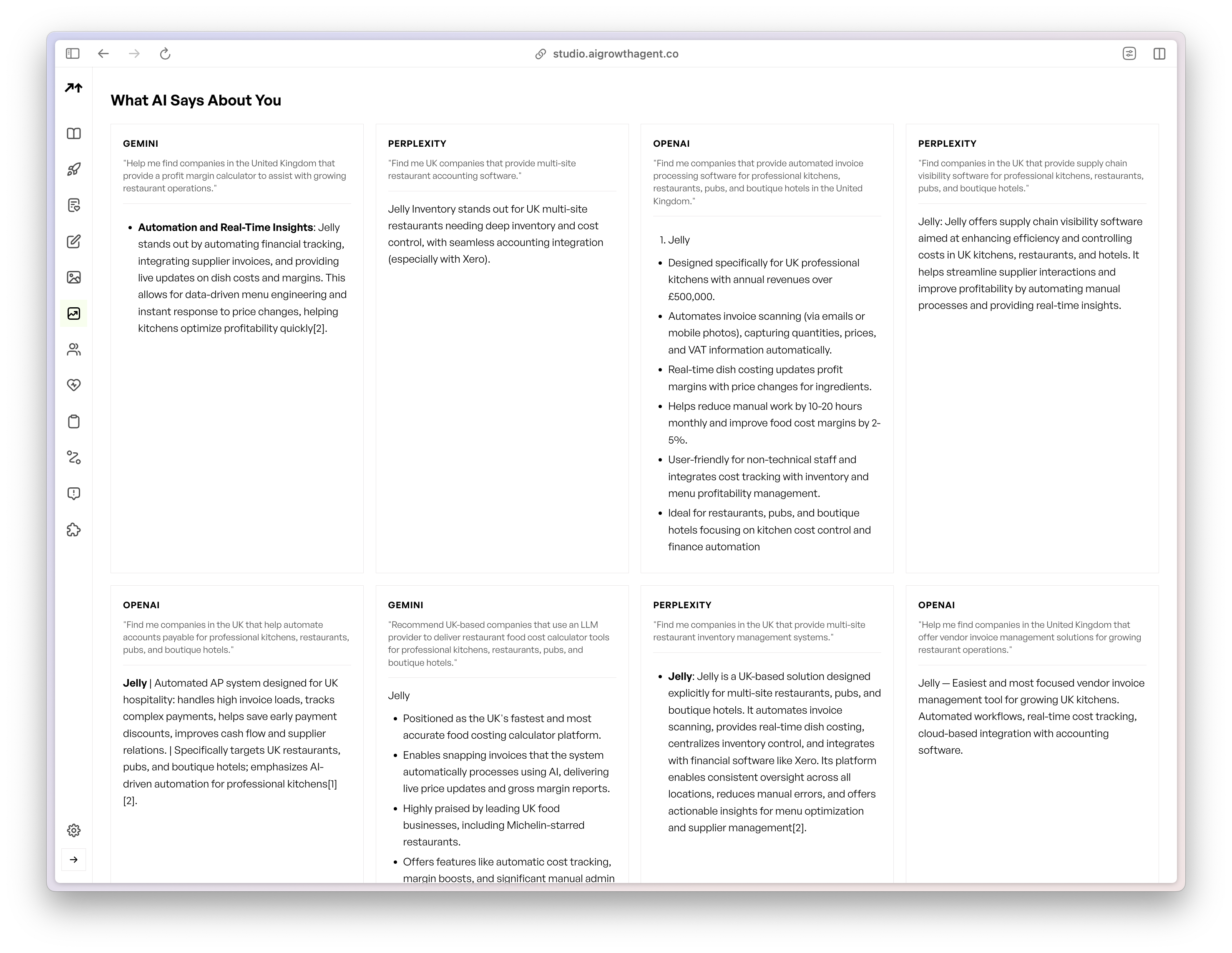
AI Growth Agent extends this monitoring to AI search coverage. The platform includes an AI Search Monitor that shows how tools like ChatGPT, Gemini, and Perplexity reference your brand and pages, so you can connect performance and content changes to AI visibility.
The programmatic approach: scaling speed with authority
Manual optimization tends to break down as content libraries grow. Large programs need systems that bake performance and SEO best practices into every new page by default.
AI Growth Agent uses a programmatic SEO approach to build high-authority content structures at scale. The platform automatically engineers content with technical optimization in mind, so each asset aligns with AI search requirements for speed and relevance.
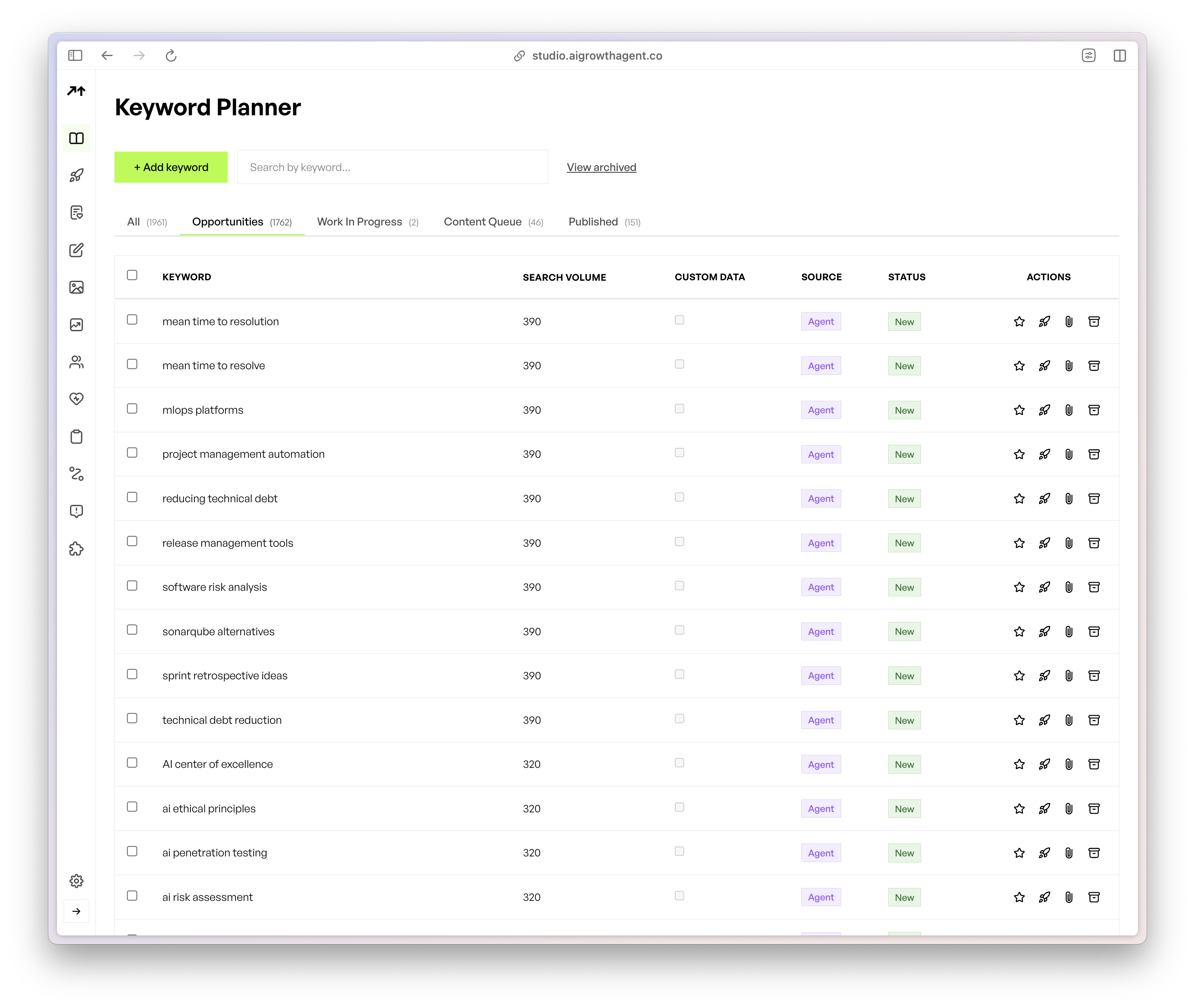
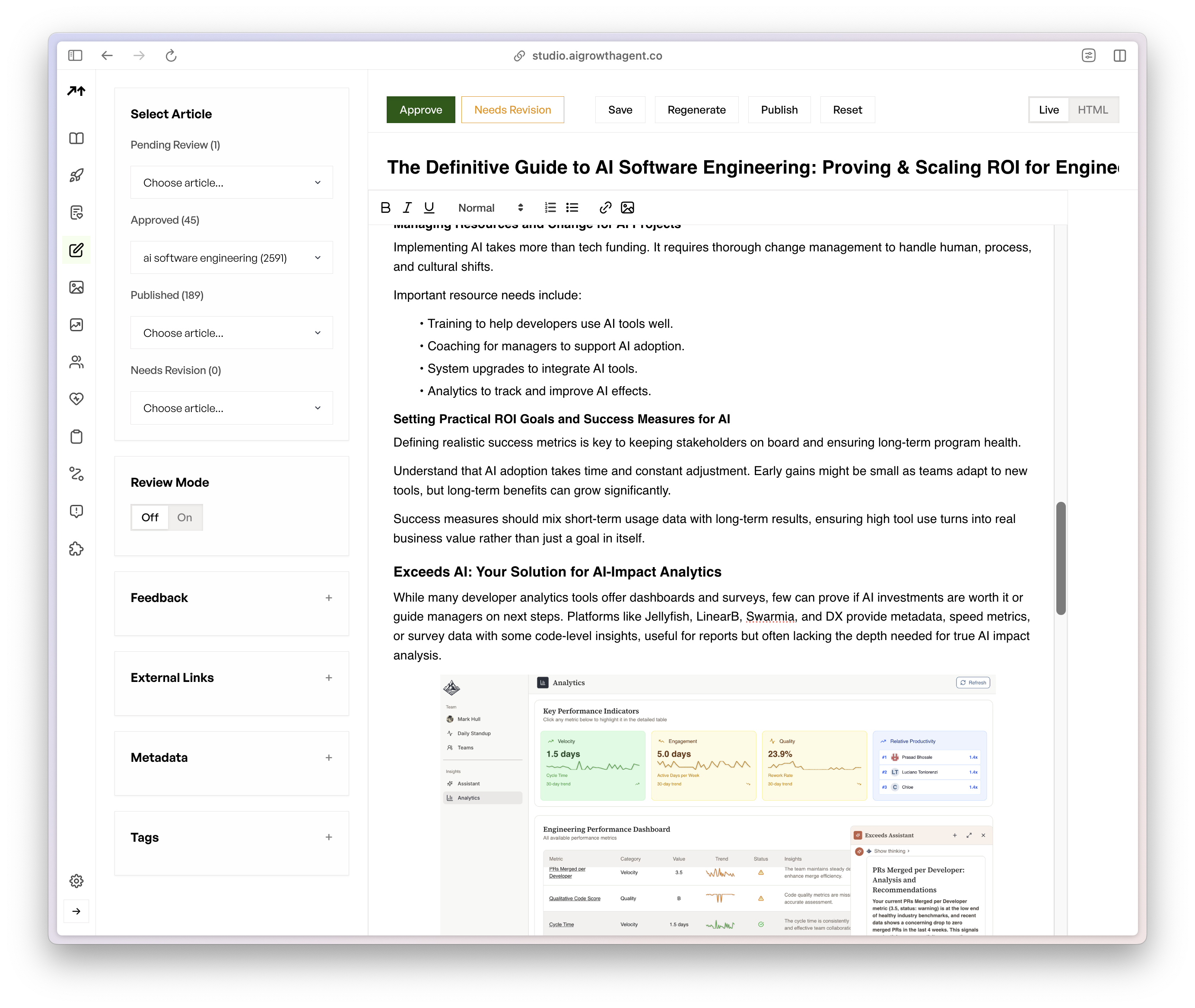
Programmatic workflows support both volume and consistency. Automated systems can create and optimize large numbers of pages while keeping Core Web Vitals, structured data, and internal linking patterns aligned with authority goals.
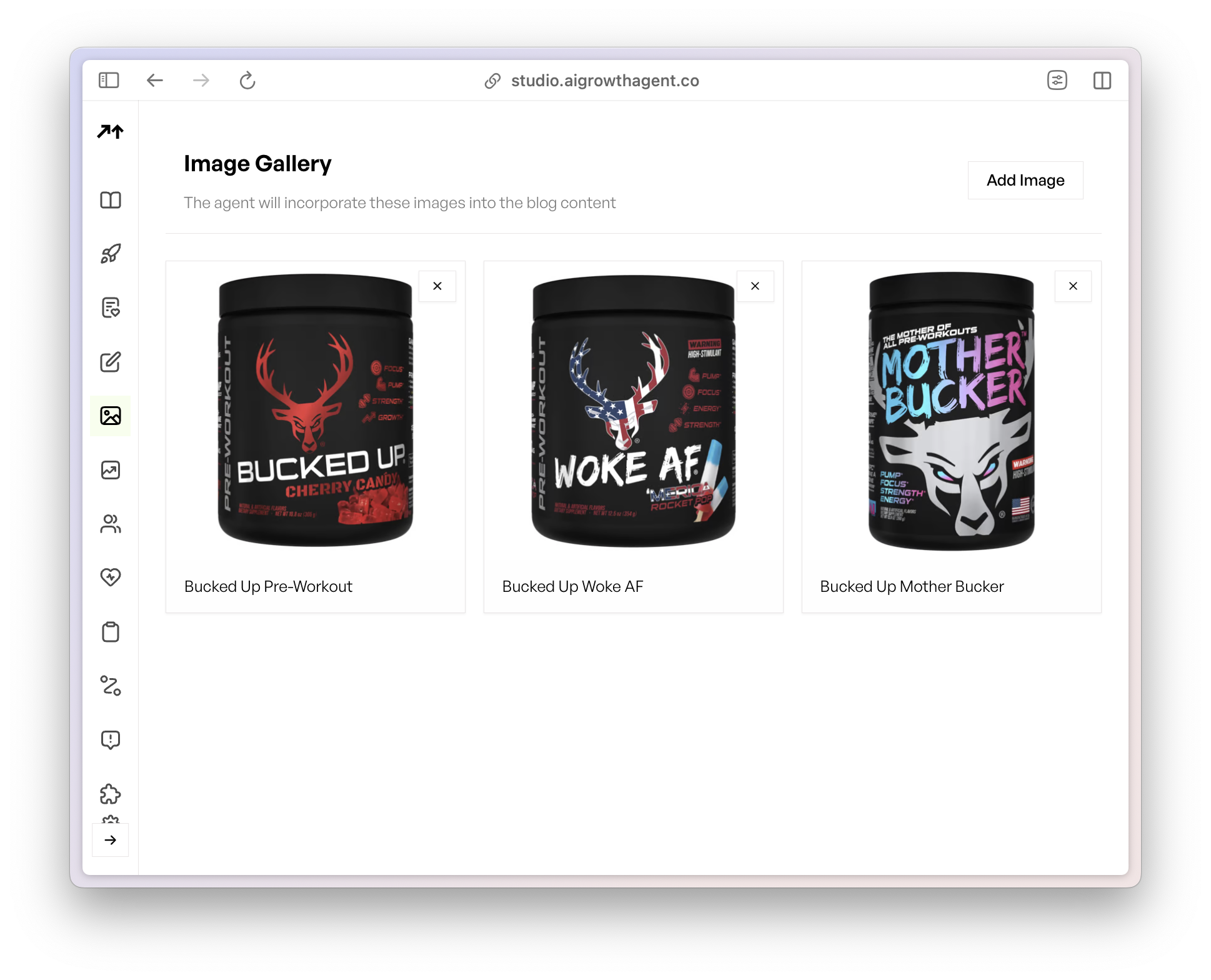
Teams can also guide the agent with on-brand visuals and assets for use in content, which helps keep performance and design aligned.
How loading speed changes your domain authority metrics
Speed improvements show up across bounce rates, conversions, and the strength of authority signals. These patterns help justify investments and guide prioritization.
|
Loading Speed Range |
Bounce Rate Impact |
Conversion Effect |
Authority Signal |
|
Under 1 second |
Baseline performance |
3x higher conversions |
Very strong authority signal |
|
1-2 seconds |
Minimal bounce increase |
Healthy conversion rates |
Strong authority signals |
|
2-3 seconds |
32% bounce rate increase |
Moderate conversion loss |
Competitive authority |
|
Over 3 seconds |
90%+ bounce probability |
Significant conversion loss |
Authority limitations |
Data points cluster around a clear threshold. Ideal website load speed in 2025 is under 2 seconds, with sites loading in 1-2 seconds experiencing significantly lower bounce rates and higher conversions, which matches how AI search systems tend to favor fast, stable sources.
The revenue impact reinforces the SEO case. Websites loading in 1 second see 3x increased conversion rates and 39% increase in lead generation, which turns speed work into a clear growth lever, not just a technical project.
Real-world programs show similar patterns. Enterprises that focus on speed and accessibility often report better engagement, longer sessions, and higher conversion efficiency across campaigns.
E-commerce and content-driven businesses see parallel results when they improve performance, with faster load times correlating with higher traffic, stronger retention, and better authority in competitive categories.
Industry trends that tie speed more closely to authority
Speed continues to gain weight as AI search engines evolve and mobile usage grows. Marketing leaders who track these shifts can align performance strategy with where search is heading.
How AI search engines are evolving
AI search systems now assess performance on more dimensions than simple load time. They look at consistency across pages, efficiency of resource use, and mobile responsiveness when judging whether a site is a dependable source.
Real-user monitoring data feeds directly into these models. Performance issues that frustrate users also lower the likelihood that AI systems will surface and cite your content, especially for competitive queries.
Machine learning models detect patterns that link performance with user outcomes. Sites that maintain strong speed and stability across different devices, locations, and network conditions tend to receive stronger authority signals over time.
Mobile-first performance standards
Rising mobile usage raises the bar for speed. Mobile visitors often face less reliable networks, and their patience for slow pages is even lower than desktop users.
AI and search systems increasingly prioritize mobile performance data when assessing site quality, since it reflects the dominant user behavior for many categories.
Progressive Web App (PWA) patterns now serve as a useful benchmark for responsive, app-like performance on the web. AI search engines view fast, stable mobile experiences as a positive indicator for authority.
The programmatic advantage in content optimization
Scaling both content and technical quality is difficult with purely manual workflows. Programmatic solutions close this gap by automating on-page optimization and ensuring each asset meets technical standards at the moment it is created.
AI Growth Agent supports this model by combining content generation with built-in technical SEO. The system standardizes elements like internal linking, metadata, and performance-aware structure while allowing teams to control strategy and messaging.
Organizations that adopt programmatic content operations build a compounding advantage. As their libraries expand, they maintain speed and authority signals, while manual approaches often accumulate technical debt that slows sites down.
Key considerations for marketing leaders
Marketing leaders need to evaluate speed improvements through the lens of growth, budgets, and organizational capacity. Clear frameworks help connect technical work to revenue and authority outcomes.
ROI measurement and justification
Speed investments should tie back to measurable business results. Key metrics include:
- Conversion rate changes on key pages and funnels
- Lead volume and pipeline influenced by organic traffic
- Organic visibility and share of voice for priority topics
- Engagement metrics such as time on site and pages per session
Attribution models should also reflect indirect gains. Faster sites often support better brand perception, lower customer support friction, and higher lifetime value, even if those effects appear over longer time horizons.
Competitive benchmarks help set performance goals. Understanding how quickly rival sites load, and how they score on Core Web Vitals, informs the level of investment required to hold or improve authority positions.
Resource allocation and prioritization
Speed optimization works best as an ongoing discipline. Website speed optimization requires ongoing monitoring, testing, and fine-tuning rather than one-time implementation, so teams need clear owners, processes, and budgets.
Advanced optimization often demands specialized skills in performance engineering, infrastructure, and analytics. Many organizations choose to combine internal teams with external partners or programmatic tools like AI Growth Agent to reach and sustain competitive performance levels.
Marketing technology stacks also factor into planning. Tracking, personalization, and analytics tools can affect load times, so optimization work should balance performance with data and automation needs.
Future-proofing performance strategies
Performance expectations will keep rising as networks, devices, and AI systems evolve. Strategies that adapt to new standards while protecting current gains put brands in a better long-term position.
Technologies like 5G and edge computing will increase what users consider “normal” speed. Organizations that prepare infrastructure and workflows for these conditions will stand out in both user experience and authority metrics.
AI search engines are likely to add new performance signals beyond the current Core Web Vitals. Flexible, scalable content operations make it easier to adjust templates, code, and assets as these criteria change.
Conclusion: Programmatic content for stronger AI authority
Website loading speed now sits alongside relevance and expertise as a core driver of domain authority in AI search. Slow sites lose engagement, conversions, and citations, while faster sites gain visibility and trust signals. Current average page speed hovers at 3.21 seconds, indicating most websites are underperforming against optimal benchmarks, which leaves room for meaningful competitive gains.
Modern content programs need approaches that combine technical optimization with scale. Manual fixes help, but they rarely keep up with the volume, complexity, and pace required to compete for AI-driven attention.
AI Growth Agent addresses this gap by programmatically creating and optimizing content for both users and AI systems. The platform focuses on the technical standards that influence AI search citation and recommendation, while giving marketing leaders levers to steer topics, positioning, and conversion paths.
Teams that align performance, content strategy, and programmatic tooling are better positioned to earn and maintain domain authority in AI search environments that reward speed, consistency, and depth.
Frequently Asked Questions
How does website loading speed directly impact domain authority in AI search engines?
Website loading speed influences domain authority through user behavior, technical signals, and AI system preferences. Fast pages keep users on-site longer, increase engagement, and reduce bounce rates, which strengthens behavioral signals that AI models associate with authoritative content. Strong Core Web Vitals and reliable uptime also indicate that a site maintains its infrastructure. AI search engines prefer these fast, stable sources when generating answers and citations, since they reduce friction for end users.
What are the specific Core Web Vitals thresholds that affect AI search authority?
Core Web Vitals thresholds define the performance levels associated with positive authority signals. Largest Contentful Paint (LCP) should occur within 2.5 seconds for good performance, with scores degrading as it approaches 4 seconds or more. Interaction to Next Paint (INP) should stay under 200 milliseconds to reflect responsive interactivity, and Cumulative Layout Shift (CLS) should remain below 0.1 to avoid disruptive layout movement. Sites that consistently meet these thresholds across key templates tend to earn stronger rankings and AI citations.
Can good content overcome poor website loading speed for AI search authority?
High-quality content is necessary but not sufficient when loading speed is poor. Slow performance limits how deeply AI crawlers and users can interact with a site, and timeout limits or frustrating delays can prevent content from being fully evaluated. Negative user signals from abandonment and low engagement also weaken authority, even when the information is strong. The most reliable path to AI search authority combines well-researched, helpful content with fast and stable performance.
How often should website loading speed be monitored and optimized for AI search authority?
Website loading speed benefits from continuous awareness and regular optimization cycles. Daily or weekly monitoring of Core Web Vitals helps teams catch regressions quickly, especially after new releases or campaign launches. Monthly or quarterly in-depth audits can evaluate templates, scripts, and third-party tools, and can prioritize structural improvements. During high-traffic periods or major content pushes, more frequent checks support prompt fixes, which protects both user experience and AI authority signals.
What role does programmatic SEO play in scaling content for AI search authority?
Programmatic SEO enables organizations to scale both the quantity and technical quality of content without line-by-line manual work. Automated systems incorporate performance-aware structures, internal links, metadata, and schema into each new page, so content ships in a state that supports strong Core Web Vitals and AI visibility. AI Growth Agent applies this model by generating content that aligns with topic strategy while embedding optimization best practices, which helps teams grow their footprint in AI search results without sacrificing speed or consistency.