


AI search systems such as ChatGPT, Google AI Overviews, and Perplexity now shape discovery alongside or instead of traditional results pages.
Manual, article-by-article SEO cannot match the pace, structure, and coverage that AI models expect from reliable sources. What you’ll learn in this article:
- Programmatic SEO uses automated systems to plan, generate, and optimize large content libraries that are easy for AI models to understand and cite.
- Hybrid workflows that connect large language models with live SEO data outperform standalone AI tools or purely manual methods.
- AI Growth Agent provides an autonomous Programmatic SEO Agent that engineers structured content architectures for brands that want durable visibility in AI search.
The AI Search Revolution: Why Manual SEO Scaling is Obsolete
The Paradigm Shift from Keyword Ranking to AI Citation
The relationship between businesses and search engines has changed. Keyword-centric optimization is giving way to optimization for AI citation and recommendation. This shift reshapes how digital authority is built and maintained.
In the traditional SEO model, teams measured success by ranking for specific keywords. Current search experiences rely more on AI models that deliver conversational answers and often bypass standard results pages. LLM-powered SEO marks a fundamental shift from keyword targeting to optimizing for AI models that deliver conversational answers, often bypassing traditional SERPs. Content strategies now need to focus on being cited as a definitive source, not only on appearing as a blue link.
This change has a direct impact on brands. Teams that do not adapt risk becoming invisible to the AI indexers that power modern search. Traditional SEO agencies, which rely on manual craft workflows, often lack the velocity and technical depth needed to engineer content at the scale and quality that AI search engines recognize.
The Shrinking Digital Footprint: Standing Out in a Sea of AI Content
AI tools increase the amount of content published each day, so every company’s digital footprint, or pixel on the internet, becomes smaller in relative terms. Content inflation creates a new challenge for premium brands that need to maintain authority and visibility against a growing stream of algorithmically generated material.
Effective response requires programmatic content engineering that can match or exceed the pace of AI-generated content while keeping the authority and technical quality that AI search engines reward. Audience behavior is fragmented across multiple platforms, reducing the effectiveness of single-channel SEO approaches, so brands benefit from comprehensive, programmatically deployed content strategies that support visibility across channels.
Traditional internal marketing teams and SEO agencies generally cannot produce the volume of technically optimized, strategically aligned content that this environment demands. Headcount limits, manual processes, and gaps in engineering capacity make it difficult to implement the metadata, schema markup, and AI-specific protocols that support optimal indexing.
Research Report: The Imperative for Programmatic SEO in AI-Driven Search
Foundational Inadequacies of LLMs for Core SEO Functions
Large language models have reshaped content generation, but they have limits that make them incomplete SEO solutions on their own. Clear understanding of these gaps is important for building programmatic SEO strategies that use AI effectively while covering its weaknesses.
LLMs have critical data currency issues, training data cuts off at specific points and cannot keep up with the latest search algorithm changes. This timing gap creates challenges for real-time SEO optimization because models cannot access current search volume, competitive dynamics, or trending keywords that guide effective content planning.
In addition, LLMs cannot directly access key SEO metrics like search volume, CPC, and backlinks, creating significant data gaps. These constraints mean that, while LLMs handle content generation and semantic analysis well, they cannot independently perform the quantitative validation required for keyword targeting and positioning.
Modern teams benefit from hybrid approaches. Hybrid approaches combining LLMs and traditional SEO tools are most effective; neither should replace the other entirely for optimal results. This structure preserves rapid, semantically rich content generation while keeping access to precise, real-time data for strategic SEO decisions.
The Efficiency Gap: Quantifying the Programmatic Advantage
Programmatic SEO delivers gains that go well beyond incremental improvements in speed and effectiveness. Data from AI-assisted strategies shows how strong the advantage can be when content runs through a structured programmatic framework.
AI-assisted SEO strategies can reduce content creation time by 65% while increasing organic traffic conversion rates by up to 25%. These results highlight how integrated AI and automation can reshape both production efficiency and business outcomes.
Manual content production operates at a pace that often does not match modern AI search. A manual workflow might produce one or two high-quality articles per month. Well-designed programmatic systems can plan, generate, optimize, and deploy dozens of technically consistent, strategically aligned content assets in the same period. This advantage is not only about volume. It is also about maintaining relevance in an environment where recency, depth, and structural consistency influence AI citation likelihood.
The compound impact of this efficiency gap grows over time. Brands that rely on manual SEO scaling fall further behind as competitors deploy programmatic systems. Once content libraries diverge by hundreds or thousands of pages, traditional methods struggle to close the gap, even with higher budgets or larger teams.
Redefining Authority: From Backlinks to AI Citations
Signals that define digital authority are changing in the AI search era. Backlink profiles still matter for traditional search, but AI search engines add new authority signals and weighting.
LLM-powered SEO prioritizes comprehensive topic coverage and brand recognition over traditional backlink profiles. Authority shifts from mainly external validation to visible, consistent expertise and brand presence across the datasets that shape AI behavior.
In an AI citation model, authority comes from being recognized as a comprehensive, reliable, and frequently referenced source on specific topics. This standard requires high-quality content that is structured for AI extraction and confident inclusion in conversational answers. Technical underpinnings such as advanced schema markup, metadata, and AI-specific protocols carry weight alongside narrative quality.
Brands that reach AI citation authority create a reinforcing cycle. As AI search engines reference their content more often, that content becomes more present in training data and model memory, which can increase future citation likelihood. Early adoption of programmatic SEO helps brands start this cycle before categories become saturated.
The Content Mandate: Context, Conversation, and Comprehensiveness
Content requirements for AI search optimization extend beyond traditional keyword tactics. AI search engines need material that can serve as dependable source content for conversational responses, with strong context, depth, and semantic coherence.
Content must be natural language and human-like phrasing optimized for LLMs rather than keyword-optimized for traditional search. This change shifts focus from keyword density and exact-match phrases to semantic relevance, contextual depth, and clear, conversational flow.
In parallel, LLM-powered SEO requires comprehensive, conversational, context-rich content detailed enough for AI extraction and confident presentation in responses. Meeting this bar calls for both strong writing and careful engineering of structure, metadata, and semantic markup.
Comprehensive coverage also matters. Effective AI search strategies depend on systematic, programmatic approaches that address all relevant topics, subtopics, and semantic variations that AI search engines encounter in user queries, rather than sporadic content publication.
Key Pillars of Programmatic SEO: Engineering Authority at Scale
Autonomous Keyword and Topic Clustering for Strategic Content Roadmaps
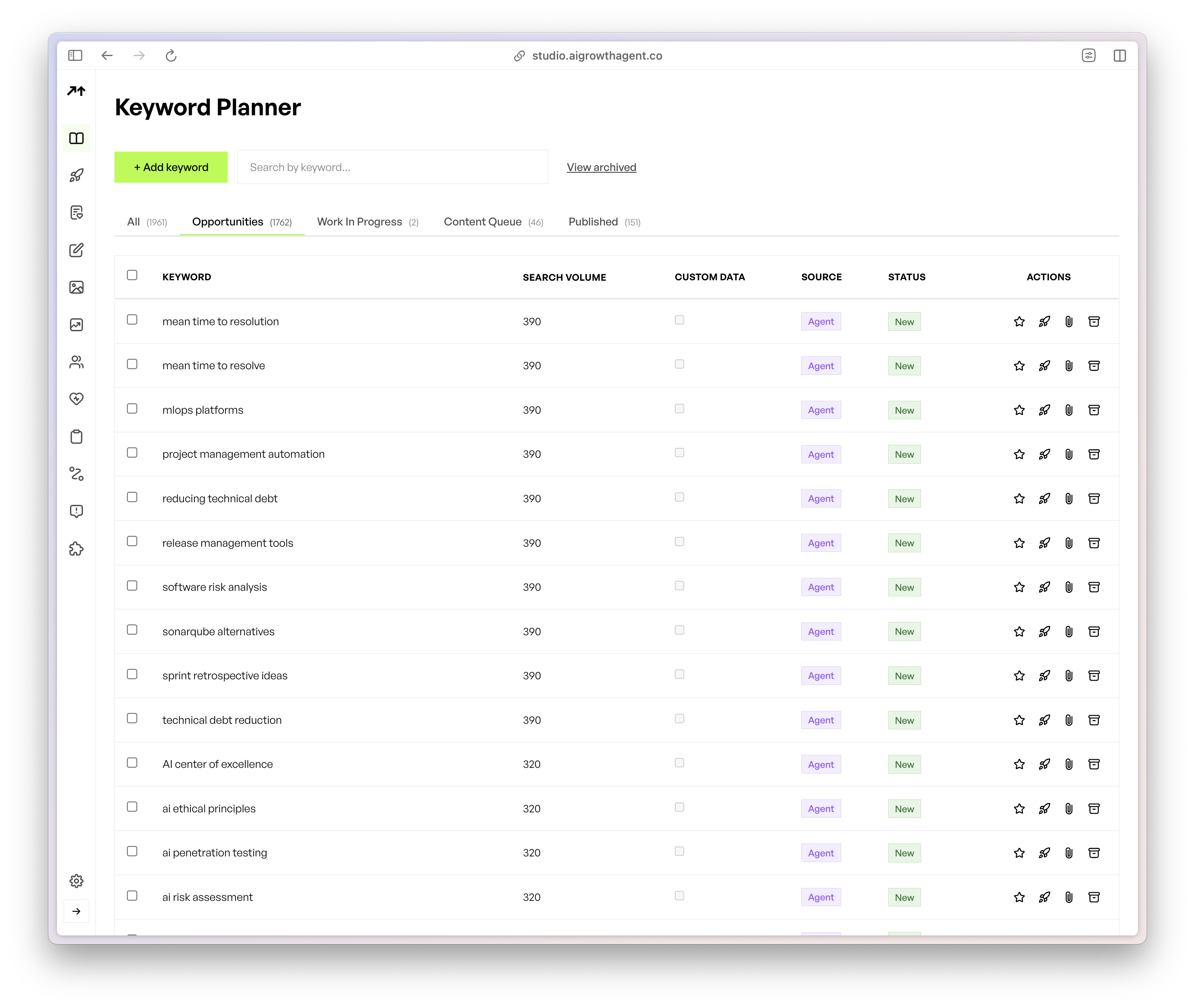
Effective programmatic SEO starts with keyword and topic clustering at a scale and precision that manual research cannot match. Systems need to ingest large volumes of search queries, map semantic relationships, and generate content architectures that cover a domain’s topical authority in detail.
Traditional keyword research often works linearly, focusing on individual terms and creating content around specific queries. Programmatic keyword clustering works as an interconnected system. Each piece of content supports individual ranking goals and reinforces broader topical authority. This structure lets content assets strengthen each other semantically and create compound authority effects.
The clustering process also needs to align with AI search behavior, which favors comprehensive topic coverage over exact keyword matches. Analysis should account for semantic relationships, intent variations, and conversational query patterns that reflect how users interact with AI systems. The result is a strategic content roadmap that supports sustained authority building rather than short-term responses to single keywords.
Automated Technical SEO & Schema Integration for AI Indexing
Technical SEO in a programmatic context extends beyond traditional on-page work. Automation must handle advanced schema, metadata, and AI-specific protocols at scale while preserving consistency across all content assets.
Critical technical elements include:
- Comprehensive schema implementation for rich snippets and structured data
- Meta descriptions and titles optimized for both traditional and AI search behavior
- AI-facing protocols such as LLM.txt and Model Context Protocol that help AI systems interface directly with content databases
These technical layers need automated and consistent implementation, because manual work does not scale to thousands of pages.
The architecture also needs to match AI crawler behavior, which differs from traditional search engine crawling. AI crawlers respond to specific structural signals, content formats, and metadata that support confident extraction and presentation in conversational answers. Meeting these requirements usually calls for engineering capabilities that reach beyond standard SEO practice.
High-Velocity, High-Quality Content Generation: Balancing Speed and Authority
Programmatic SEO depends on content production that combines speed with authority. Systems need to generate material quickly while maintaining the depth, accuracy, and structure that AI search engines value.
High-velocity content generation typically includes:
- Automated research synthesis across multiple sources
- Structured content briefs tied to keyword and topic clusters
- Fact-checking and source validation workflows
- Brand voice controls that hold consistency at scale
Each asset must meet clear quality standards while supporting frequent publication and rapid response to new topics and trends.
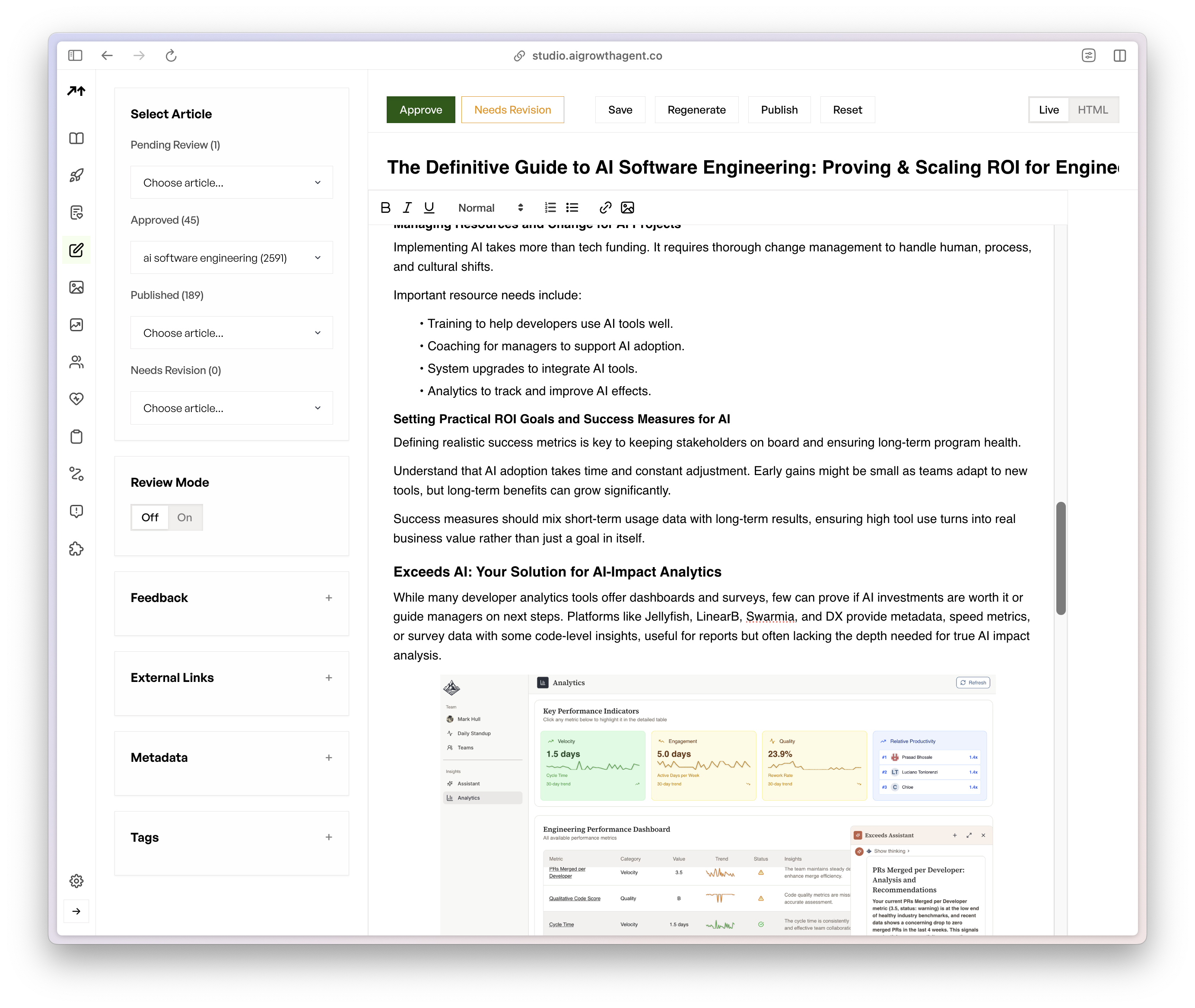
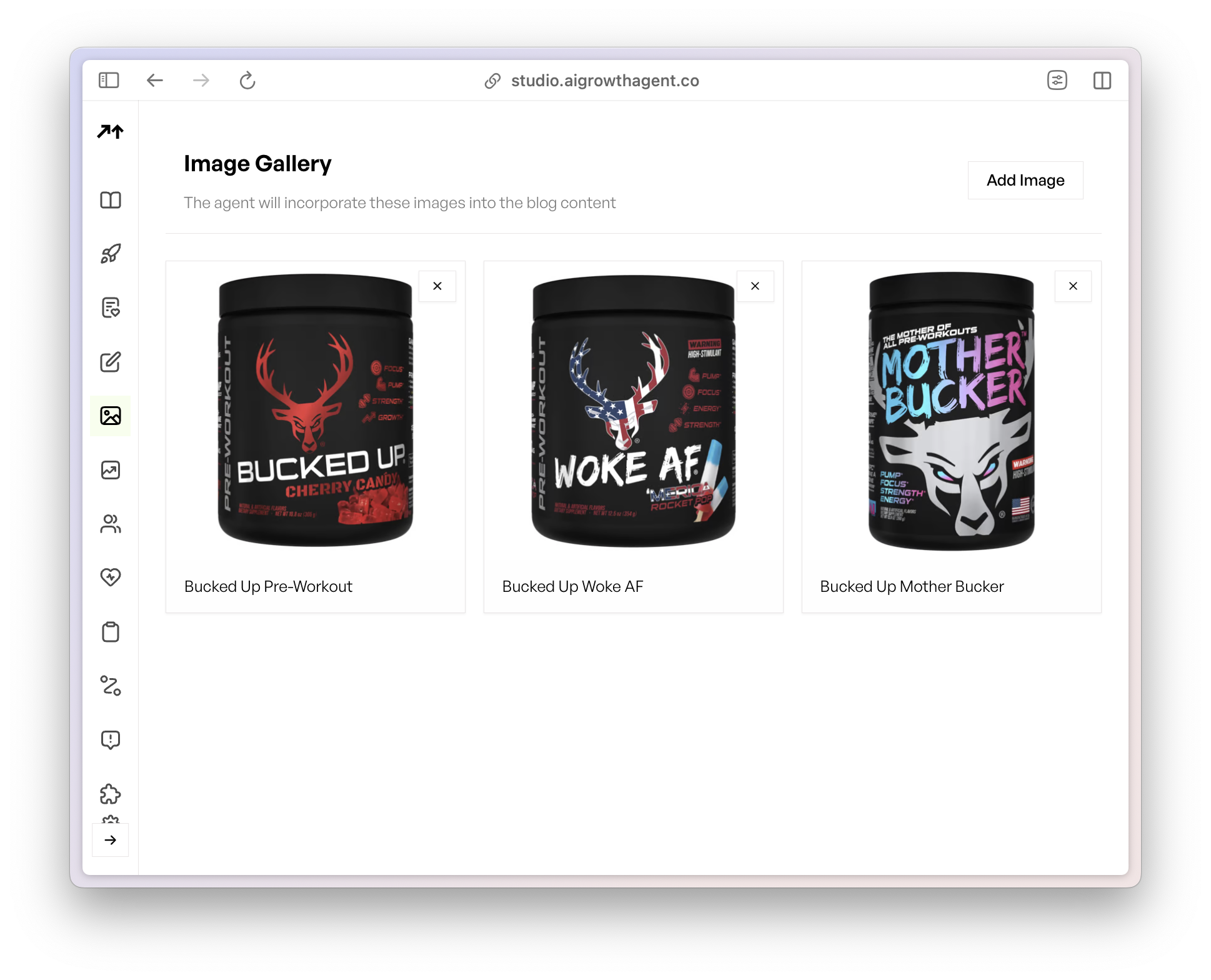
Quality control must also be automated. Systems can apply manifesto guidelines, check factual accuracy, and evaluate semantic coherence across large volumes of content.
This structure keeps programmatic speed from undercutting authority and helps ensure that content reads like premium manual work, even though it is produced at a much higher scale.
Real-time Performance Monitoring and Feedback Loops for Continuous Optimization
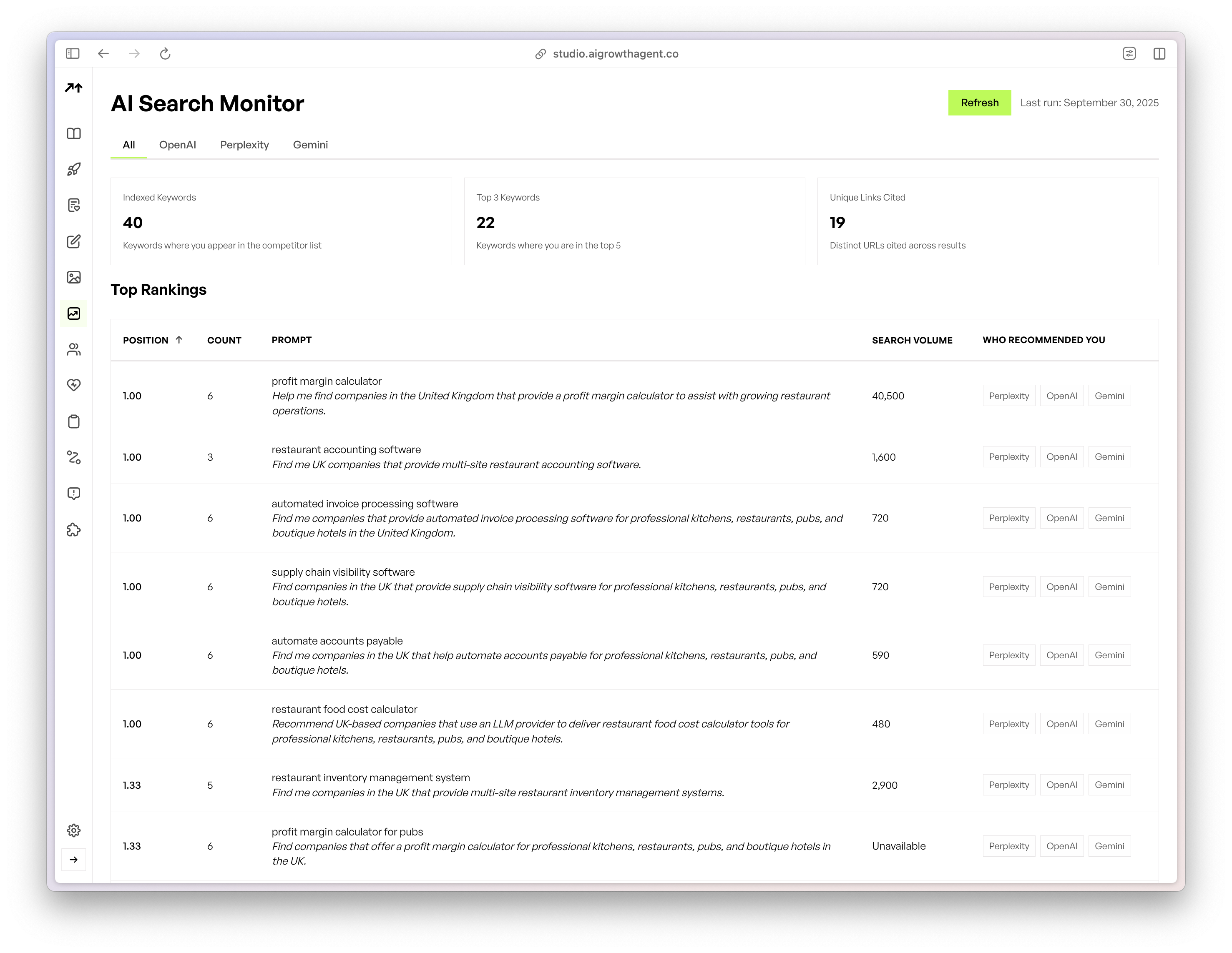
Programmatic SEO relies on monitoring that tracks performance in both traditional and AI search environments. Data needs to feed continuous optimization, so that the strategy evolves with real behavior rather than static assumptions.
Monitoring typically covers:
- AI citation frequency across tools such as ChatGPT, Google AI Overviews, and Perplexity
- Content types and topics that attract the highest AI recommendation rates
- Patterns in AI search behavior that highlight new optimization opportunities
This information supports ongoing adjustments to content plans and technical implementation.
The feedback loop should also connect with traditional SEO metrics so teams can see how programmatic strategies affect overall organic performance. Combined reporting helps ensure that AI search optimization supports, rather than conflicts with, established search channels.
The Unmet Need: Why Existing Solutions Fall Short
Comparison Table: Programmatic SEO vs. Traditional Methods
|
Feature/Capability |
AI Growth Agent (Programmatic SEO) |
Traditional SEO Agencies |
Basic AI Content Tools |
|
Content Velocity |
Autonomous, large-scale output |
Manual, limited by headcount |
Fast generation, limited structure |
|
Technical SEO Automation |
Automated LLM.txt, MCP, schema |
Limited, manual implementation |
Partial technical capabilities |
|
AI Citation Optimization |
Engineered for AI recommendation |
Indirect, traditional focus |
Limited AI-specific optimization |
|
Cost-Effectiveness |
High ROI, lower marginal cost |
High cost, retainer-based |
Per-use costs, hidden setup work |
This comparison highlights gaps in existing approaches for programmatic SEO requirements. Traditional agencies can produce strong individual pieces, but they usually cannot reach the velocity and technical depth required for competitive AI search positioning. Basic AI content tools can generate text quickly but often lack the strategy, technical implementation, and automation needed for end-to-end programmatic deployment.
Limitations of Traditional SEO Agencies and Internal Teams
Traditional SEO agencies often use models that do not align with programmatic SEO. Manual, consultative workflows frequently result in one or two flagship articles per month, a pace that does not match AI search environments where recency and comprehensive coverage influence citation likelihood.
Many agencies also lack the engineering capacity needed for the technical sophistication that AI search expects. They may not be able to deploy advanced schema, AI-specific protocols, or automated technical optimization at the depth and scale that programmatic strategies require. Their strength remains in traditional metrics and manual optimization, which now represent only part of effective AI search optimization.
Internal marketing teams usually face tighter constraints. Few have both the specialist engineering resources and the SEO strategy experience required to build and maintain programmatic content systems. Technical needs such as advanced metadata, schema automation, and AI crawler optimization often require dedicated engineering support that internal teams do not have.
Agencies and internal teams also share resource limits that make consistent, high-volume content production difficult. The detailed attention required for each piece of content, combined with technical implementation work, creates bottlenecks that restrict the velocity needed for programmatic success.
Why Basic AI Content Tools Fail to Deliver Programmatic SEO
Basic AI content tools such as ChatGPT, Jasper, or Claude are effective writing assistants but are not complete programmatic SEO platforms in most setups. They usually lack end-to-end automation and deep integration with technical systems.
Many of these tools can help generate content and may support basic SEO elements like schema or metadata through prompts or plugins. However, they often do not provide autonomous deployment, direct access to real-time SEO data, or full technical implementation of AI-specific protocols.
Integration is a common friction point. Basic AI tools frequently require manual CMS setup, manual technical SEO work, and manual content planning. These tasks demand developer and SEO expertise, which reduces the efficiency gains that automation should deliver and can lead to content that does not fully meet AI search requirements without additional effort.
Strategy is another limitation. Some tools connect to keyword research or competitive analysis, but they may not offer the depth of data or automation needed to design a comprehensive content architecture at programmatic scale. Users often need to construct these frameworks themselves, which limits scalability and can weaken authority-building structures.
Most importantly, many basic AI tools cannot fully automate advanced technical elements for AI search optimization. They might generate code snippets or templates, but implementing AI-specific protocols such as LLM.txt or Model Context Protocol often requires extra tooling or manual work. Their effectiveness for AI search positioning increases significantly when paired with specialized platforms or processes.
AI Growth Agent: A Programmatic SEO Platform for AI Search
Balancing Scale and Quality with Autonomous Programmatic SEO
AI Growth Agent is a programmatic SEO platform designed to help digital marketing teams balance scale and quality. Its autonomous systems aim to deliver high content volume while preserving authority, technical precision, and brand consistency.
The autonomous Programmatic SEO Agent works through an end-to-end framework that starts with company manifesto integration and extends through keyword research, content planning, technical optimization, and performance monitoring. This automation removes many manual bottlenecks while enforcing consistent quality and technical standards for each content asset.
The system maintains brand voice and strategic alignment across large content libraries through advanced manifesto programming and continuous learning. Over time, the agent builds a more precise understanding of brand positioning and can generate content that aligns with agreed guidelines with less manual oversight.
This approach lets brands reach publication velocities that would otherwise require large teams. At the same time, it supports the technical structure and topical coherence needed for AI search authority.
Key Capabilities: Multi-Tenant Deployment and Real-Time Content Injection
AI Growth Agent includes capabilities that extend beyond single-site automation. Multi-Tenant Programmatic Deployment allows enterprise clients and investment portfolios to run multiple autonomous content agents from one interface, each with its own brand voice, keyword strategy, and technical configuration across domains or subdomains.
This setup is useful for private equity firms, venture portfolios, and enterprises with several product lines. A small central team can manage complex, multi-brand programmatic SEO strategies while each agent operates with its own scope.
Real-Time Programmatic SEO Content Injection offers another capability. Teams can respond quickly to trending topics or news by passing a relevant link into the system. The agent then generates and deploys content with appropriate brand positioning and SEO optimization in minutes.
Additional features such as database-to-content automation and intelligent asset placement extend these capabilities. Together, they form a platform for brands that need both programmatic scale and consistent quality in AI search optimization.
Frequently Asked Questions (FAQ) About Programmatic SEO
How does programmatic SEO differ fundamentally from traditional SEO in the age of AI?
A1: Programmatic SEO shifts focus from keyword-centric optimization to optimization for intent, context, and AI models that deliver conversational answers. Traditional SEO centers on ranking in search engine results pages, while programmatic SEO emphasizes comprehensive topic coverage and being cited as a trustworthy source for AI search engines.
Content is structured for AI extraction and confident presentation in responses, and authority is based on consistent brand recognition and demonstrated expertise across AI training data, supported by advanced schema, AI-specific protocols, and metadata optimization.
Can general LLMs (like ChatGPT) effectively replace specialized programmatic SEO platforms?
General LLMs support content generation but often do not replace specialized programmatic SEO platforms. They usually lack real-time access to key SEO metrics such as search volume, competitive landscape, and current rankings.
They may help produce basic technical elements through prompts, but they typically cannot autonomously deploy these elements, manage AI-specific protocols like LLM.txt and Model Context Protocol, or integrate deeply with live environments. Most LLM-generated content still requires further structuring, technical implementation, strategic planning, and CMS integration, which specialized platforms are designed to handle.
What is the primary benefit of deploying an autonomous Programmatic SEO Agent like AI Growth Agent?
The main benefit is the ability to scale content creation and optimization without matching increases in manual effort or cost. An autonomous Programmatic SEO Agent lets brands produce large volumes of content while maintaining authority, technical quality, and strategic coherence that support AI search performance.
The agent enables continuous, AI-optimized content deployment, helps establish authority in target categories, and increases chances of citation by AI search engines. Ongoing learning and optimization can improve results over time.
What role do brand clarity and structure play in achieving AI visibility?
Brand clarity and structured content play a central role in AI visibility as audiences spread across platforms and AI systems assemble answers from multiple sources. A consistent, well-defined brand narrative and structured content make it easier for AI models to interpret, cite, and recommend a brand as an authoritative source.
This usually starts with a clear manifesto that defines positioning, voice, and areas of expertise. Strong structure, schema markup, metadata, and semantic coherence then help AI systems extract and present information confidently. Without this clarity and structure, even strong content can struggle to earn AI citations.
How quickly can brands expect to see results from programmatic SEO implementation?
Programmatic SEO can often deliver visible results faster than traditional approaches. Some brands see initial AI search visibility within two to three weeks of implementation, as reported by AI Growth Agent clients such as Exceeds AI and BeConfident.
This speed is possible because programmatic systems can rapidly deploy technically optimized, strategically aligned content at scale, creating early authority signals. The full benefits typically build over a longer period, as content ecosystems mature and AI search engines incorporate the brand into regular recommendation patterns.
Conclusion: A Practical Path to AI Search Authority
The digital landscape now favors approaches that move beyond manual SEO scaling. As AI-powered search systems become central to discovery and content volume continues to expand, brands benefit from aligning with programmatic SEO requirements.
Evidence across tools and workflows shows that traditional SEO agencies and basic AI tools often lack the combined velocity, technical depth, and automation that AI search optimization now requires. The difference between manual and programmatic methods is likely to grow as AI capabilities advance and content competition increases.
Programmatic SEO, implemented through autonomous agents such as AI Growth Agent, offers a structured way to build and maintain authority in AI search. Brands that adopt programmatic solutions early can secure meaningful advantages, while those that rely solely on manual methods may find visibility harder to maintain.
Adoption timelines also matter. As more organizations move to programmatic models, the content volume and technical standards for competitive positioning will rise. Early movers can establish stronger baselines before categories become more crowded.
AI systems surface many possible answers. AI Growth Agent helps your company provide clear, well-structured responses. If you are a premium brand with a solid foundation and want to strengthen your position through Programmatic SEO, book a strategy session with us to see how autonomous content and ranking technology can support a durable advantage in AI search visibility.
