


Last updated: February 9, 2026
Key Takeaways
- B2B SaaS sales cycles now average 134 days with 1-2% conversion rates, so AI-powered growth frameworks are required for a predictable pipeline.
- The 7 leading frameworks—AARRR, PLG+PQLs, ABM, PACE GTM, Demand Gen+SEO, RevOps, and Hybrid Models—can drive 4x velocity, 50%+ activation, and 120%+ NRR when tuned correctly.
- Programmatic SEO is now mandatory for AI search visibility, building authority content clusters that support every funnel stage at scale.
- RevOps alignment connects data across teams for accurate forecasting, automated scoring, and expansion-focused retention without heavy ad spend.
- Boost these frameworks with AI Growth Agent’s demo for autonomous programmatic SEO that builds AI-cited authority and 3x pipeline velocity.
The 2026 B2B SaaS Growth Challenge
B2B SaaS growth now operates in a slower, more crowded market. Sales cycles have increased from 107 to 134 days, a 25% year-on-year rise, while AI-generated content floods every channel and compresses your digital footprint. Manual tactics cannot keep pace with the speed and technical depth required for AI search visibility.
The market is shifting from Product-Led Growth (PLG) to Experience-Led Growth (XLG), which demands AI-integrated strategies. An estimated 80% of B2B SaaS sales will take place online in 2025, so programmatic content and AI citations now drive pipeline creation. Teams that cling to manual, one-off tactics fall behind competitors that deploy programmatic SEO and build authority at scale.
Seven Proven Growth Frameworks for 2026 B2B SaaS Pipelines
Winning B2B SaaS teams in 2026 pair proven frameworks with AI-powered execution that runs continuously.
- AARRR Framework: 4x pipeline velocity through full-funnel metric focus
- PLG with PQLs: 50%+ activation rates from product-led, user-driven growth
- ABM (Account-Based Marketing): Faster velocity for high-value accounts
- PACE GTM Framework: Structured go-to-market execution
- Demand Generation + SEO: Authority-led organic pipeline growth
- RevOps Alignment: 120%+ NRR through operational discipline
- Hybrid Models + Programmatic SEO: Integrated multi-channel systems
1. AARRR Framework: Full-Funnel Metrics for 4x Pipeline Velocity
The AARRR framework (Acquisition, Activation, Retention, Referral, Revenue) gives you complete visibility into pipeline performance. Organizations that define and enforce a sales process see up to 28% more revenue, so structured funnel management becomes non-negotiable.
5-Step Implementation:
- Acquisition: Use programmatic SEO to capture intent-driven organic traffic.
- Activation: Aim for 50%+ activation with focused onboarding improvements.
- Retention: Target 90%+ GRR with usage-based engagement programs.
- Referral: Launch referral programs with clear ROI tracking.
- Revenue: Prioritize expansion motions that push NRR above 120%.
Common Pitfalls: Teams often treat each metric separately instead of as connected pipeline drivers. Poor data quality blocks accurate measurement, and weak AI-powered content limits acquisition scale.
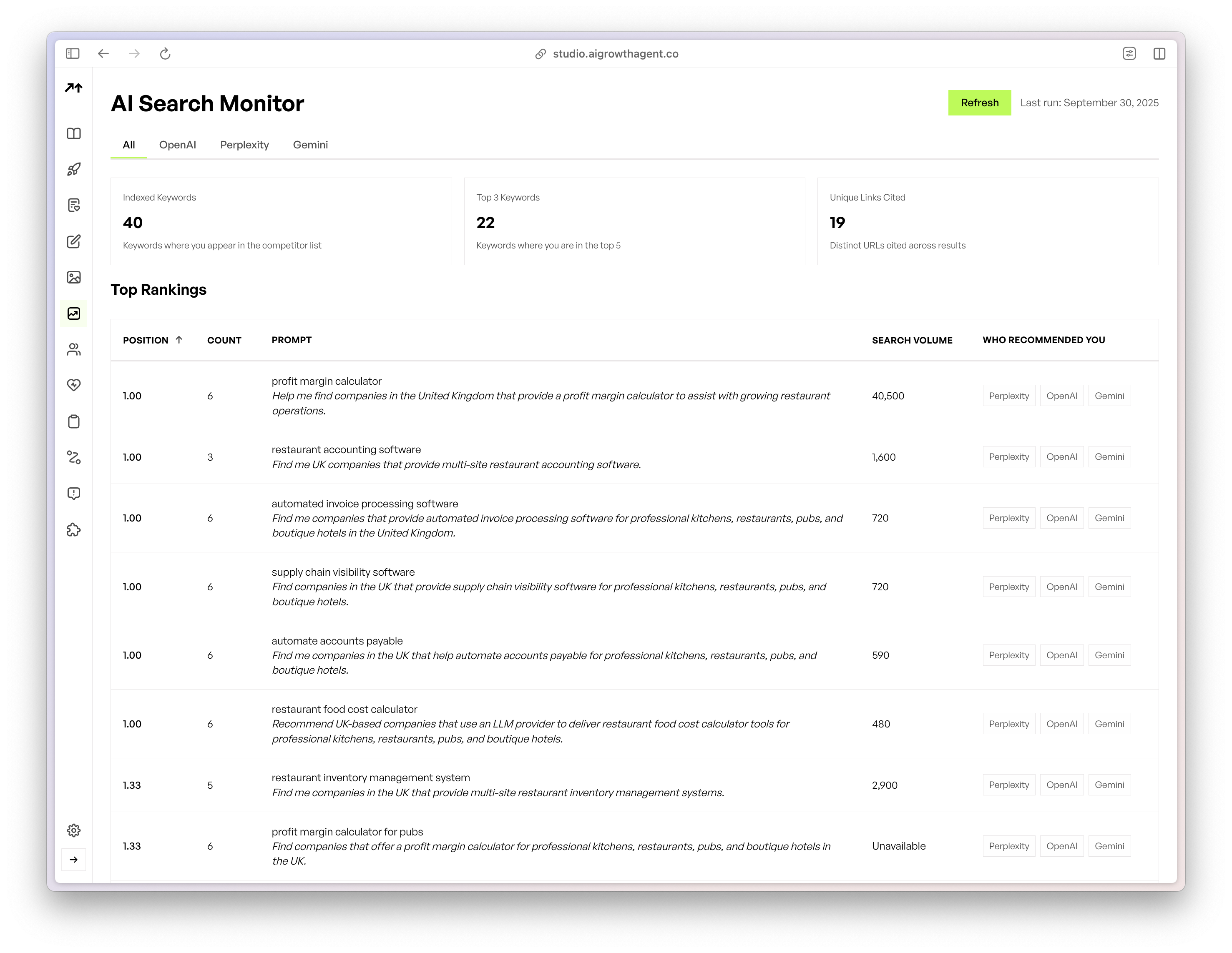
2026 AI Adaptation: Programmatic SEO clusters fuel acquisition by building authority that AI search engines cite. Automated content workflows keep every funnel stage supplied with fresh, relevant assets without manual bottlenecks.
2. PLG with PQLs: Product-Led Growth That Drives 50%+ Activation
PLG combined with Product Qualified Leads (PQLs) turns product usage into a reliable pipeline engine. Top-performing SaaS companies achieve 8.0-15.0% visitor-to-lead conversion rates compared to the 1.0-2.0% industry average, which shows the impact of well-executed PLG.
Implementation Steps:
- Define PQL criteria from usage patterns and engagement depth.
- Design frictionless onboarding that delivers value in clear stages.
- Set usage-based triggers that notify sales at the right moment.
- Track behavior and tune flows to reach 50%+ activation rates.
- Support product education with programmatic content at scale.
Pitfalls: Vague PQL definitions create poor sales handoffs. Weak product stickiness and missing expansion plays limit long-term revenue.
3. ABM: Enterprise Pipeline Velocity for High-Value Accounts
Account-Based Marketing works best for enterprise and high-ACV deals where precision matters. B2B SaaS companies use AI-powered automation for scalable personalization in ABM strategies, aligning marketing, sales, and customer success for full-funnel approaches that increase pipeline coverage and NRR.
ABM Framework:
- Score and select accounts using AI-driven intent data.
- Create personalized content at scale with programmatic methods.
- Coordinate outreach across email, social, and owned content.
- Align sales with strict 2-hour response SLAs for engaged accounts.
- Measure the pipeline by account penetration and deal velocity.
4. PACE GTM Framework: Step-by-Step Go-to-Market Execution
The PACE framework (Plan, Activate, Convert, Expand) gives teams a clear GTM structure. Phase 3 scaling uses ABM + Content + PLG for demand generation with SLAs for PQL and SQL follow-up within 2 hours, which keeps the pipeline moving.
PACE Implementation:
- Plan: Run market research and positioning with AI-based competitive analysis.
- Activate: Launch coordinated, multi-channel campaigns.
- Convert: Improve conversion paths with behavioral triggers and clear CTAs.
- Expand: Build expansion plays from usage signals and customer success playbooks.
5. Demand Generation + SEO: Building an Authority-Led Organic Pipeline
Demand generation paired with SEO creates a compounding, low-CAC pipeline. B2B SEO delivers 702% average ROI with a seven-month break-even, and SEO-generated leads have 51% MQL-to-SQL conversion rate, so organic becomes a core growth driver.
SEO-Driven Demand Gen:
- Run programmatic keyword research and build tight content clusters.
- Publish authority content mapped to each buyer journey stage.
- Tune technical SEO for AI search engines and rich results.
- Improve lead capture on high-traffic pages with focused offers.
- Attribute pipeline accurately to organic sessions and content.
6. RevOps Alignment: Operational Discipline for 120%+ NRR
By 2026, 75% of the fastest-growing companies will have a RevOps model, which enables precise CAC tracking and reliable revenue attribution. RevOps alignment closes revenue gaps at handoffs and creates a predictable pipeline through continuous, data-led tuning.
RevOps Framework:
- Unify data across marketing, sales, and customer success.
- Forecast pipeline using historical conversion rates and stage data.
- Automate lead scoring and routing with clear rules.
- Improve retention metrics to reach and maintain 120%+ NRR.
- Use AI for forecasting and pipeline health monitoring.
7. Hybrid Models + Programmatic SEO: Multi-Channel Systems That Scale
Hybrid PLG+ABM models scale demand by combining role-specific content, paid channels, and lifecycle programs, with programmatic SEO supplying the content backbone for every motion.
AI Growth Agent’s programmatic SEO capabilities strengthen each framework by building the content architecture behind it. The autonomous agent creates authority mountains through systematic publishing, so AI search engines repeatedly cite your brand across use cases. Schedule a demo to see if you are a good fit for autonomous content generation that grows alongside your frameworks.
Scaling These Frameworks with AI Growth Agent’s Programmatic SEO
AI Growth Agent focuses on programmatic SEO for B2B SaaS teams that run growth frameworks at scale. Traditional agencies move slowly and depend on headcount, while basic AI tools output unstructured text that still needs heavy editing. Our autonomous agent manages the full technical SEO lifecycle, from deep keyword clustering to schema markup and direct publishing.
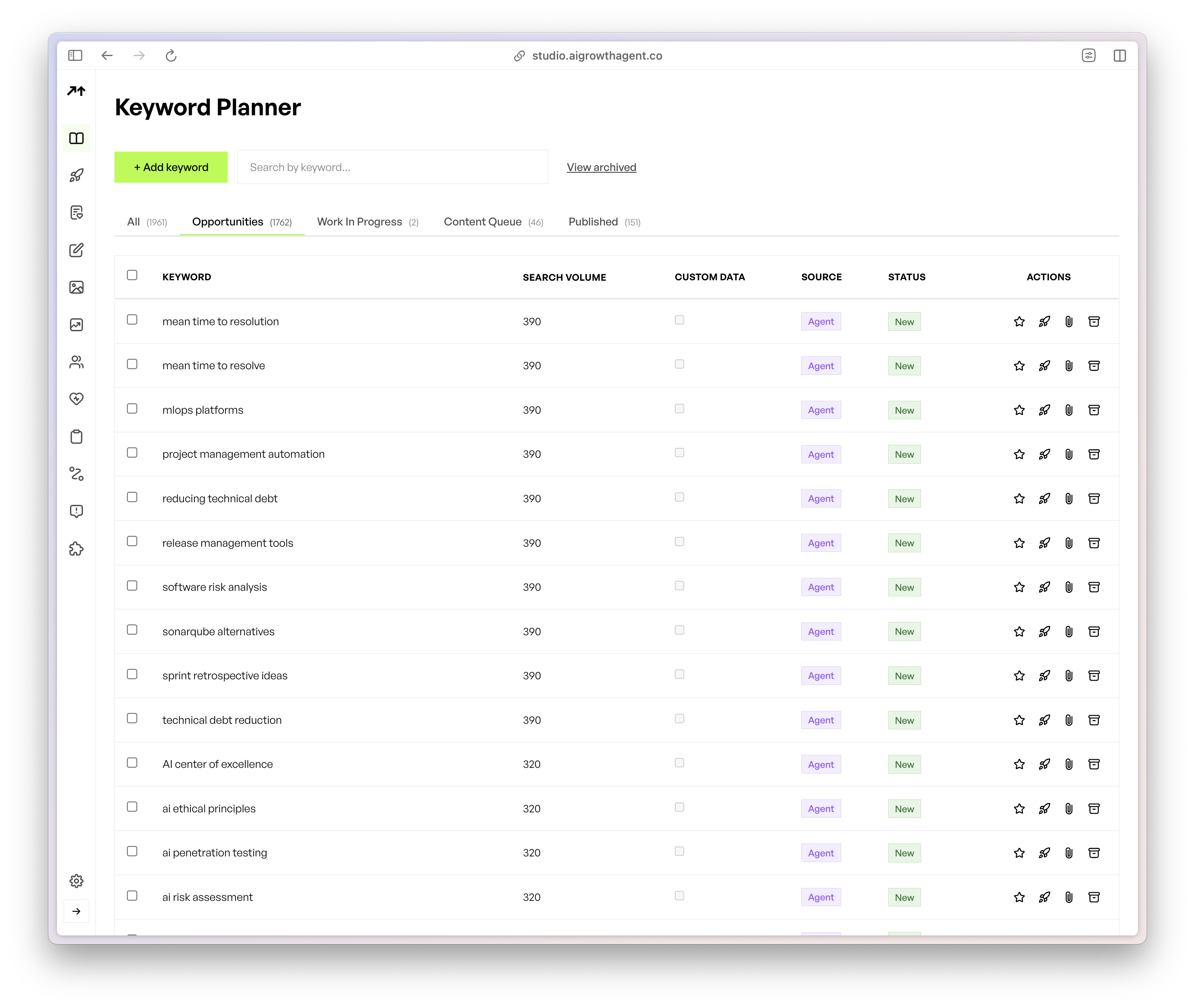
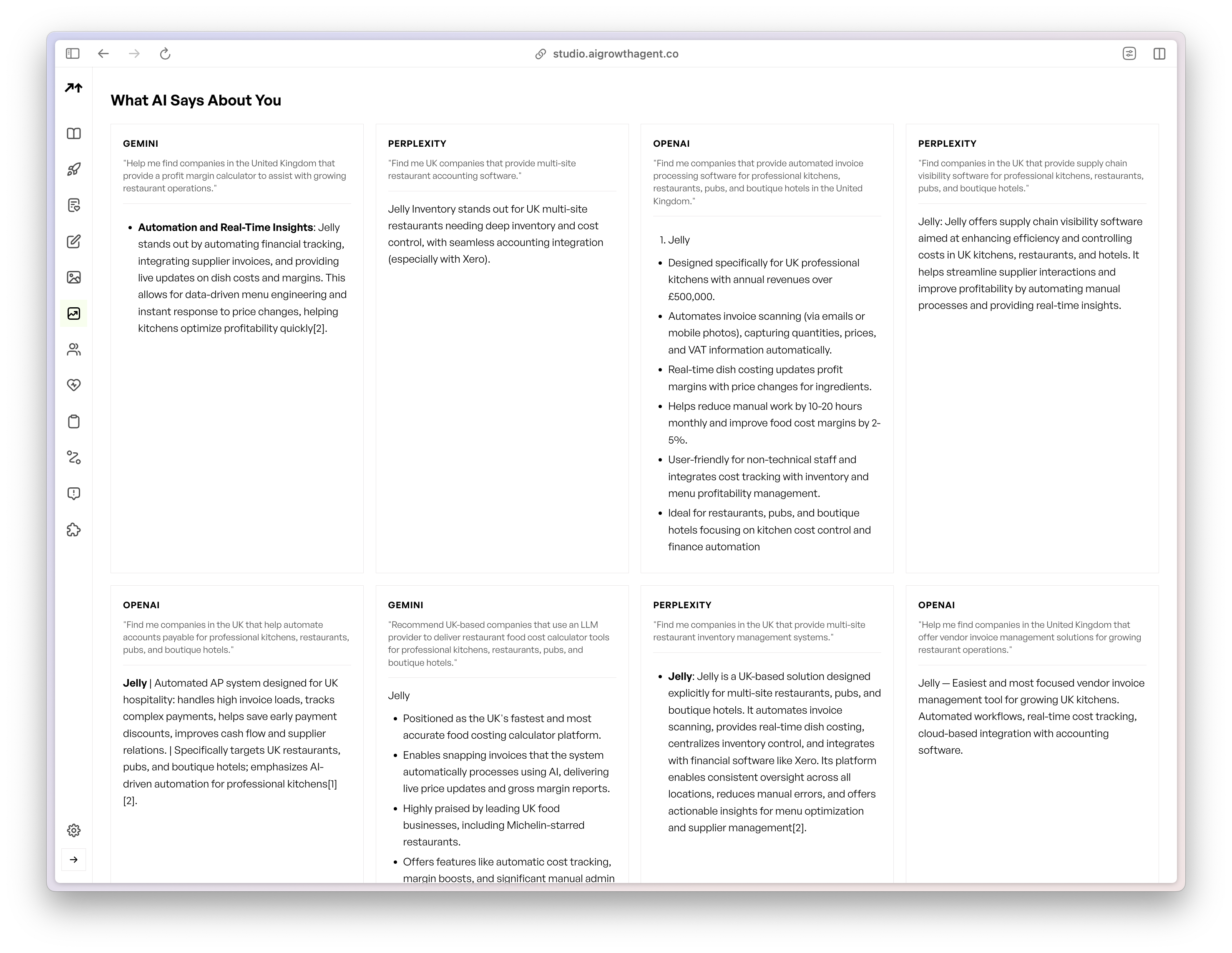
This approach removes technical friction and builds the authority that powers every framework in this playbook. Our clients include Gitar.ai, which secured top ChatGPT citations, and Bucked Up, which became the number one cited protein soda brand within weeks of launch. Schedule a demo for autonomous pipeline growth that grows in lockstep with your frameworks.
Best Channel and Framework Combinations for 2026 SaaS Pipelines
Top-performing teams in 2026 combine several frameworks and support them with programmatic content. Integrated playbooks achieve 5x ROI via programmatic SEO that underpins hybrid models.
|
Framework |
Pipeline Impact |
2026 AI Fit |
AI Growth Agent Edge |
|
AARRR |
4x velocity |
pSEO metrics |
Auto-clustering |
|
PLG+PQLs |
50%+ activation |
Usage content |
Product education |
|
ABM |
Targeted velocity |
AI personalization |
Account content |
|
RevOps |
120%+ NRR |
Data integration |
Attribution content |
Frequently Asked Questions
What is the most effective growth framework for the B2B SaaS pipeline in 2026?
The AARRR framework, paired with programmatic SEO, delivers the strongest pipeline impact, often reaching 4x velocity through full-funnel focus. This combination gives clear visibility across acquisition, activation, retention, referral, and revenue while building authority for AI search. The crucial step is running AARRR with AI-powered content that consistently supports each funnel stage.
How does programmatic SEO connect with the AARRR framework?
Programmatic SEO strengthens AARRR acquisition by creating content clusters that capture intent-driven organic traffic at scale. Automated content production keeps the top of the funnel full and builds authority that AI search engines reference. Each asset can support several stages, from acquisition to retention and referral, which compounds impact over time.
What are the key success metrics for hybrid PLG+ABM models?
Effective hybrid models aim for 50%+ activation rates on PLG motions, 120%+ NRR from expansion, and 2-hour response SLAs for priority accounts. Pipeline forecasts should rely on historical conversion rates with separate tracking for product-led and sales-assisted paths. Success also depends on unified data and content that serve both self-serve and high-touch journeys.
How do RevOps frameworks create a predictable pipeline without heavy ad spend?
RevOps drives predictability through unified data, automated scoring, and continuous tuning of conversion points. Teams focus on retention and expansion, so growth comes from existing customers as well as new ones. The model supports granular CAC tracking by channel and accurate revenue attribution, which lets leaders favor efficient organic channels like SEO and content.
What changes in 2026 for the B2B SaaS growth framework execution?
Growth in 2026 requires AI-first execution because discovery patterns and content volume have shifted. Manual tactics cannot match the speed needed for AI search visibility. Modern frameworks must include programmatic content creation, AI-led personalization, and deliberate authority building. Companies that pair their frameworks with autonomous content engines will gain durable advantages in pipeline and market presence.
Conclusion: Use AI Growth Agent to Power Predictable 2026 Growth
The B2B SaaS market now rewards teams that combine strong frameworks with AI-driven execution. Manual methods cannot reach the content volume or technical precision required for AI search and a reliable pipeline. The seven frameworks in this playbook, supported by AI Growth Agent’s programmatic SEO, create durable advantages through authority building and pipeline consistency.
Our autonomous agent removes technical roadblocks and lets your frameworks run at a higher scale and speed. Schedule a demo to upgrade your growth frameworks with autonomous content generation that supports predictable pipeline growth.
