


Key Takeaways
- Transparent citations for AI-assisted content build trust with readers and help AI search engines understand when to treat your pages as reliable sources.
- Clear distinctions between documenting AI use and citing AI output align your content with modern style guidance and reduce ethical and legal risk.
- Structured workflows that log tools, versions, dates, and prompts, combined with mandatory human fact-checking, prevent fabricated or outdated references from reaching publication.
- Search-friendly structure, schema markup, and outbound citations increase the odds that ChatGPT, Google AI Overviews, and Perplexity will surface and cite your content.
- Marketing teams that want transparent, scalable programmatic SEO can work with AI Growth Agent to operationalize these practices; schedule a demo to see how the platform supports transparent AI content workflows.
Step 1: Laying the Groundwork for AI Citation Best Practices
Clarify What You Are Documenting and Citing
Clear AI citation starts with a simple distinction. Content teams need to document how they used AI tools and also cite specific AI outputs when those outputs influence the final text. Guidance from the University of Waterloo explains this separation between documenting AI use and citing AI content, and that approach adapts well to marketing workflows.
Content leaders can define three main categories of AI involvement: AI-assisted ideation, AI-drafted passages, and AI-suggested research sources. Each category merits a different level of disclosure and citation, which reduces both over-citation and under-attribution.
Credit the Model Author, Not a Human Writer
APA style treats ChatGPT output as algorithmic content and recommends crediting the organization behind the model, such as OpenAI. That standard gives brands a consistent way to acknowledge AI support instead of implying a human author created the quoted wording.
Teams that apply this convention across blogs, reports, and landing pages create a more consistent experience for readers and for AI search systems that scan author and source fields.
Log the Right Details for Every AI Session
Reliable AI transparency depends on basic but complete records. For each substantive AI-assisted piece, teams should log at minimum:
- Tool name and provider (for example, ChatGPT by OpenAI)
- Model or version when available
- Access date
- Purpose of use, such as outlining, drafting, or translating
Franklin University highlights the importance of version information because LLM behavior changes over time, which affects reproducibility. These logs also support internal audits and client reviews.
Avoid Common AI Citation Pitfalls
The most serious risk comes from unverified AI-generated references. MLA warns that tools like ChatGPT can invent realistic-looking citations, including authors and articles that do not exist. Content teams protect their brands by verifying every AI-suggested source against primary databases or the publisher’s site.
Marketing teams that want consistent AI transparency at scale can schedule a consultation to see how AI Growth Agent structures citation-friendly workflows.
Step 2: Building a Transparent AI Content Workflow
Document AI Use Inside Your Process
Strong documentation runs alongside content production instead of being added at the end. The University of Calgary frames transparency as clearly stating what tools were used, for which tasks, and to what extent, a principle that fits well in creative briefs and content specs.
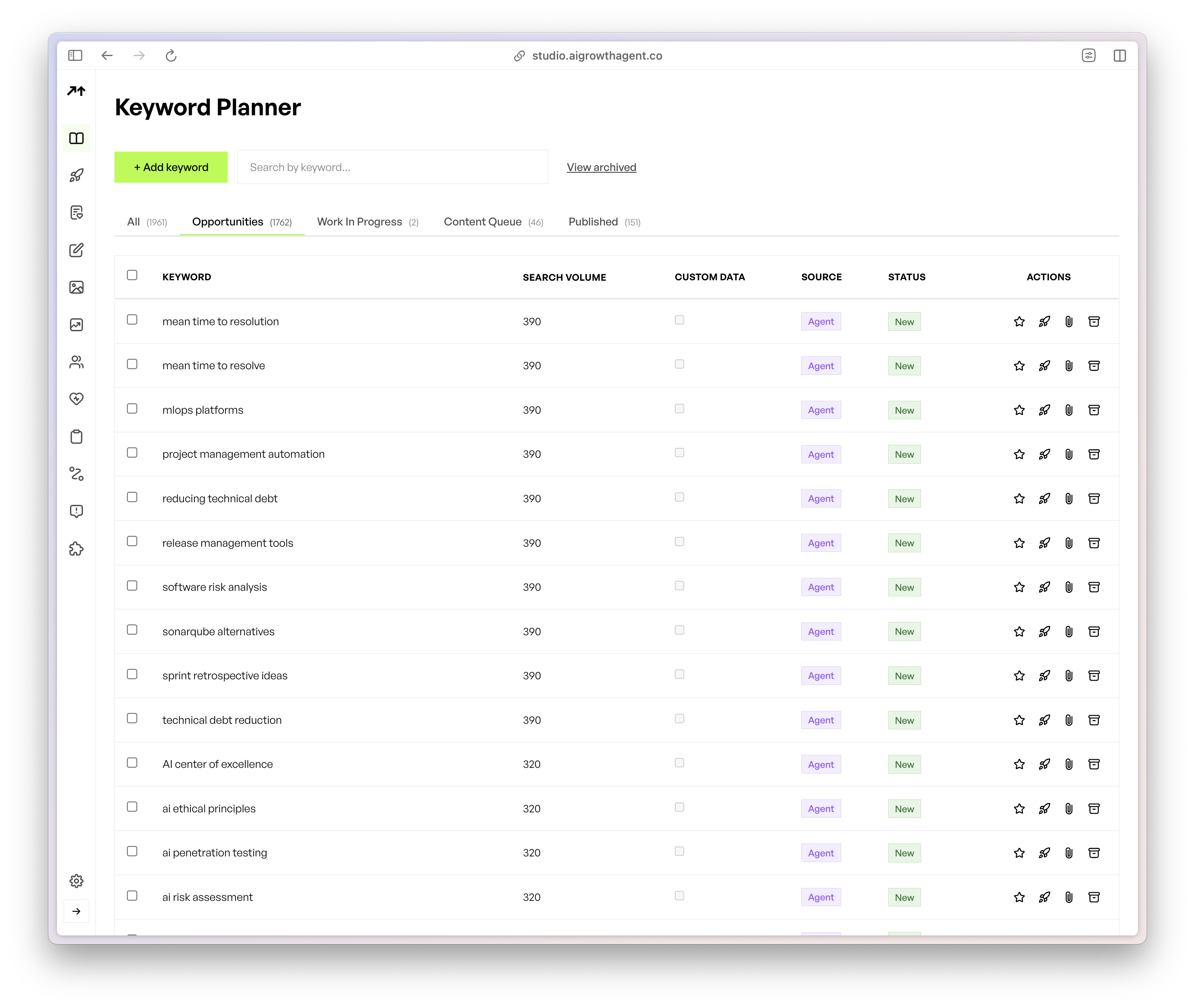
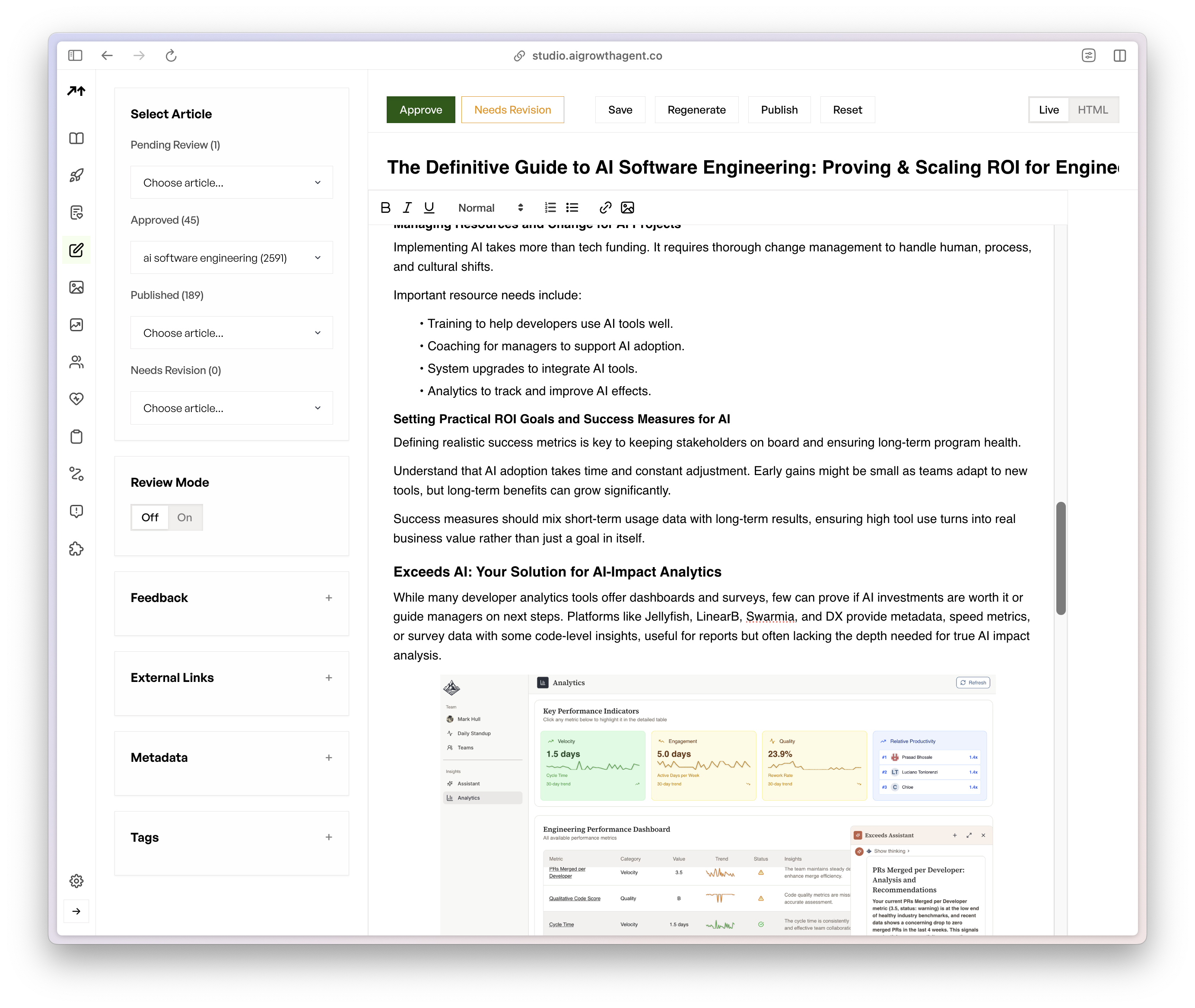
Teams can capture this information in project templates that track prompts, significant model responses, and human edits. AI Growth Agent supports this approach by embedding structured logging into programmatic content workflows.
Design Prompts That Encourage Attribution
Prompt design can include citation requirements from the start. Some guidance recommends using the prompt itself as a title in MLA-style references, which reinforces prompts as part of reproducible workflows.
Teams can also direct models to suggest inline links, to flag any facts that require human verification, and to highlight where external sources should appear in the draft.
Require Human Fact-Checking for All Sources
Human review remains essential even when AI output looks polished. Law firms, for example, must independently confirm all facts and citations before including AI output in client work, and that same rigor serves marketing teams well.
Teams can define a simple rule: no AI-generated citation or factual claim reaches publication until a human verifies it against an original source or trusted database.
Use AI Growth Agent to Enforce Consistent Standards
AI Growth Agent’s programmatic SEO platform weaves transparency into content production. The system can standardize prompts, log AI usage, support fact-checking steps, and apply technical SEO best practices across large content libraries. This structure helps brands publish at the volume modern AI search environments demand while keeping source practices consistent.
Step 3: Structuring Content So AI Search Engines Can Cite You
Support AI Understanding With Schema Markup
AI systems often rely on structured data such as Article, FAQPage, HowTo, and Organization schema to interpret context, authorship, and expertise. Clear schema markup helps these systems see where your citations appear and how your pages connect to specific topics.
Marketing teams that pair strong citations with accurate schema give AI search engines better signals about who wrote the content, which sources support it, and when to surface it as an authoritative answer.
Use Transparent Outbound Links to Reinforce Trust
Thoughtful outbound citations show readers and AI systems where your claims come from. Transparent links to high-authority sources, paired with descriptive anchor text, help models recognize which pages to trust and quote.
Teams can standardize outbound linking rules, such as linking key statistics and definitions to primary or widely recognized references instead of secondary summaries.
Leverage LLM.txt and MCP With AI Growth Agent
AI Growth Agent supports LLM.txt files and a Model Context Protocol (MCP) for blogs so AI systems can read content in a more structured way. These methods help models understand your content inventory, associated sources, and topical clusters without guesswork.
This technical foundation pairs well with clear citations, which together make it easier for AI systems to pull accurate, attributed snippets into responses.
Measure Outcomes From Transparency Improvements
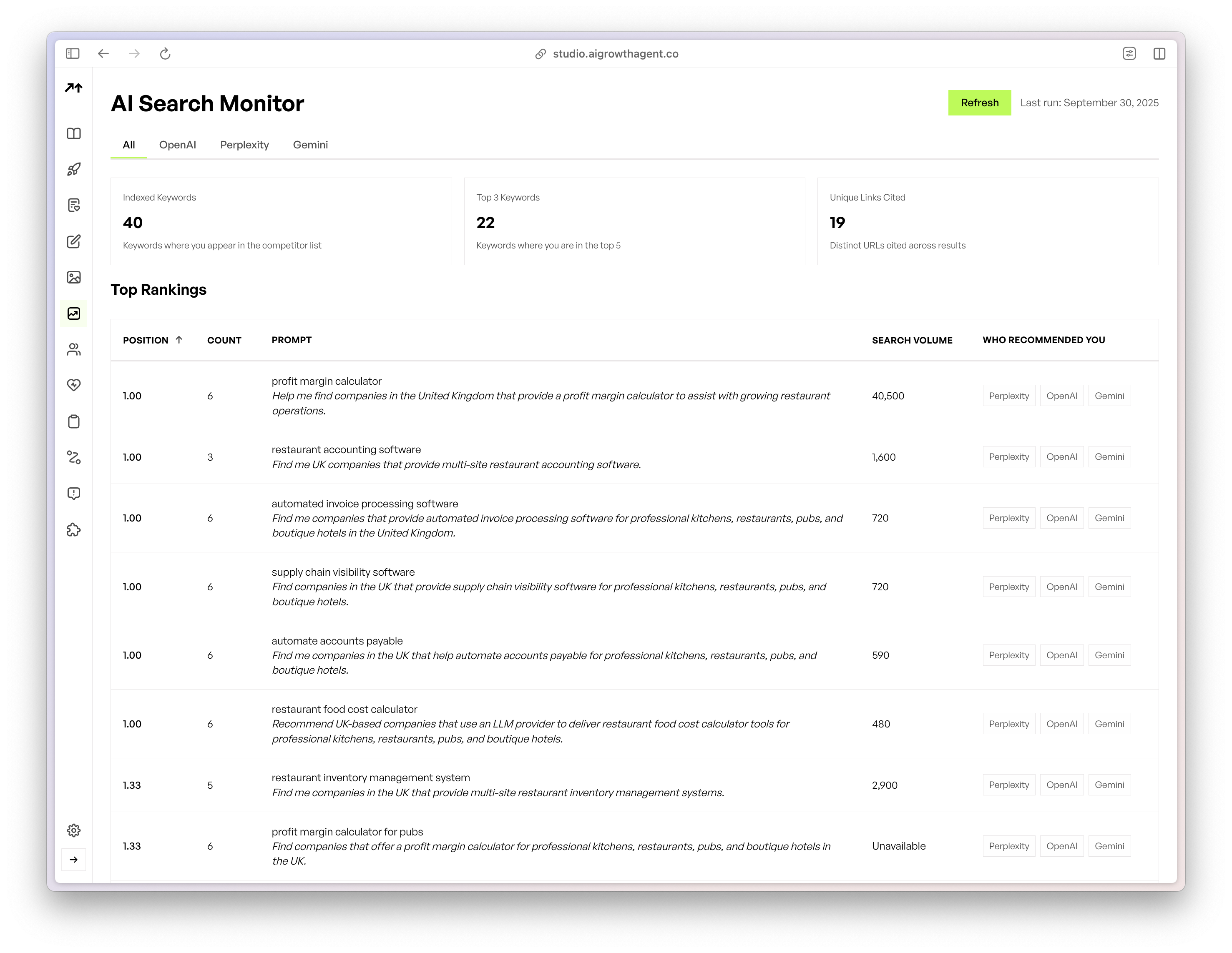
Brands that adopt clear citation rules, schema, and outbound links can track how often AI systems surface or quote their content. AI Growth Agent clients such as Exceeds AI, BeConfident, Bucked Up, and Gitar have used structured, well-sourced content to strengthen visibility across ChatGPT, Google AI Overviews, and Perplexity results.
Step 4: Maintain Ethical AI Use and Evolve Your Standards
Prevent Plagiarism and Misrepresentation
Ethical guidelines stress the importance of distinguishing AI-generated text from human writing instead of presenting it as entirely original human work. In marketing, that level of honesty supports brand authenticity.
Disclosure can live in an author note, methodology section, or site-wide AI use statement, as long as readers understand where AI played a meaningful role.
Create an Internal AI Policy for Content Teams
Clear internal rules keep teams aligned as AI capabilities expand. Educational institutions recommend explicit expectations for acceptable AI use, and content leaders can adapt that structure for editorial policies.
Key elements often include which tools are approved, when AI output must be cited, expectations for fact-checking, and how to handle client-specific requirements.
Monitor How AI Systems Cite Your Brand
Ongoing monitoring shows whether transparency practices improve AI search performance. AI Growth Agent includes tools in AI Growth Agent Studio that surface how and where major AI systems cite or summarize your content, so teams can adjust structure, schema, and sourcing based on actual results.
Plan for Stricter Future Requirements
AI and search standards continue to evolve. Brands that invest in clear logs, explicit attribution, and robust schema in 2026 will be better prepared if regulators or platforms introduce more detailed disclosure rules.
Teams that want to explore programmatic, transparent SEO can book a demo with AI Growth Agent and review how the platform enforces consistent practices.
AI-Powered Content Transparency: Manual vs. Programmatic Approaches
Content leaders must decide whether to manage AI transparency manually or through automation. Manual approaches provide granular control but rarely scale to the volume needed for AI-focused SEO. Centralized citation guidance from institutions like Purdue illustrates the value of having clear, shared standards, which programmatic systems can apply consistently.
AI Growth Agent offers a programmatic approach that standardizes technical SEO, schema, and citation-friendly workflows, so brands can publish more content without losing control of attribution quality.
|
Approach |
Scalability |
Consistency |
Time Investment |
|
Manual Citation |
Limited |
Variable |
High |
|
AI Growth Agent |
High |
High |
Low |
|
Basic AI Tools |
Varies |
Varies |
Varies |
|
Traditional Agencies |
Very Limited |
Good |
Very High |
Frequently Asked Questions (FAQ) about Maintaining Transparency in AI Content
Do I need to cite ChatGPT every time I use it for content creation?
Citation is necessary when ChatGPT output meaningfully shapes the wording or ideas in your content, especially when you quote or closely paraphrase the model. Brief help with grammar or ideation usually calls for disclosure of AI use rather than a formal citation. Internal logs should capture all AI use, while public attribution can focus on substantial contributions.
How can I verify AI-generated citations to avoid publishing fake sources?
Every AI-suggested citation should go through human review. Teams can search for the title, author, and publication in trusted databases, confirm that the author and outlet exist, and open the original source to confirm the claim. Any reference that cannot be verified should be removed or replaced with a confirmed source.
What is the difference between documenting AI use and citing AI output?
Documenting AI use means explaining how and where AI tools supported your process, such as brainstorming, outlining, or editing. Citing AI output means crediting specific passages or ideas that came from the model, often in a reference list or in-text citation. Both practices support transparency, but they serve different purposes.
How do transparency requirements affect SEO and AI search rankings?
Clear sourcing, consistent schema, and transparent disclosure help search and AI systems assess trustworthiness. Pages that show where claims come from, link to reputable sources, and present clear authorship details give AI models stronger signals when choosing which content to surface or quote.
Can programmatic content creation maintain strong transparency standards?
Programmatic systems can maintain or even improve transparency when workflows embed logging, fact-checking, and attribution rules. AI Growth Agent is designed to enforce those steps at scale, which reduces the chance of inconsistent practices across large content libraries.
Conclusion: Use Transparency to Secure Long-Term Authority
Transparent AI use now functions as a core competency for content teams, not an optional detail. Brands that cite sources clearly, log AI involvement, and structure content for machine understanding stand a better chance of being treated as authoritative in AI-driven discovery.
Manual processes can set the initial standard, but programmatic systems such as AI Growth Agent help maintain that standard as content needs grow. Teams that want to operationalize transparent, AI-ready SEO can schedule a consultation with AI Growth Agent and review how the platform handles citations, schema, and monitoring in one workflow.
