


Key Takeaways
- Strong, hierarchical WordPress categories help AI search systems understand your main topics and content scope.
- Well-managed tags, archive pages, and internal links turn your category structure into a clear signal of topical authority.
- Schema markup and clean URL strategies improve how AI tools read, group, and cite your content across the web.
- Programmatic SEO and AI-assisted workflows make category frameworks scalable beyond what manual processes can support.
- AI Growth Agent streamlines this entire setup and monitoring process, from keyword clustering to AI citation tracking, and you can see it in action by scheduling a demo.
Why WordPress Category Dominance Is Essential for AI Search
Content dilution in an AI-heavy search landscape
AI-generated content now floods search results, which reduces the visibility of individual brands. High volume publishing makes it harder for strong brands to maintain a clear voice. WordPress content strategies that worked in 2024 relied on slower, manual workflows that do not match current AI-driven publishing speed.
AI citation as a core success signal
Modern search visibility depends on being cited by large language models, not only ranking on traditional search results pages. ChatGPT, Gemini AI Overviews, and Perplexity highlight brands that show consistent topical authority through structured, machine-readable content. WordPress sites need category systems that AI tools can easily interpret to earn these citations.
WordPress potential and common category pitfalls
WordPress categories and tags provide a strong taxonomy layer, yet many sites underuse these tools. Unoptimized archive pages, weak internal links, and poorly managed tags can limit performance. Clear category and tag structures are essential for signaling topical authority to AI-driven search engines.
7 Scalable WordPress Category Content Frameworks for AI Success
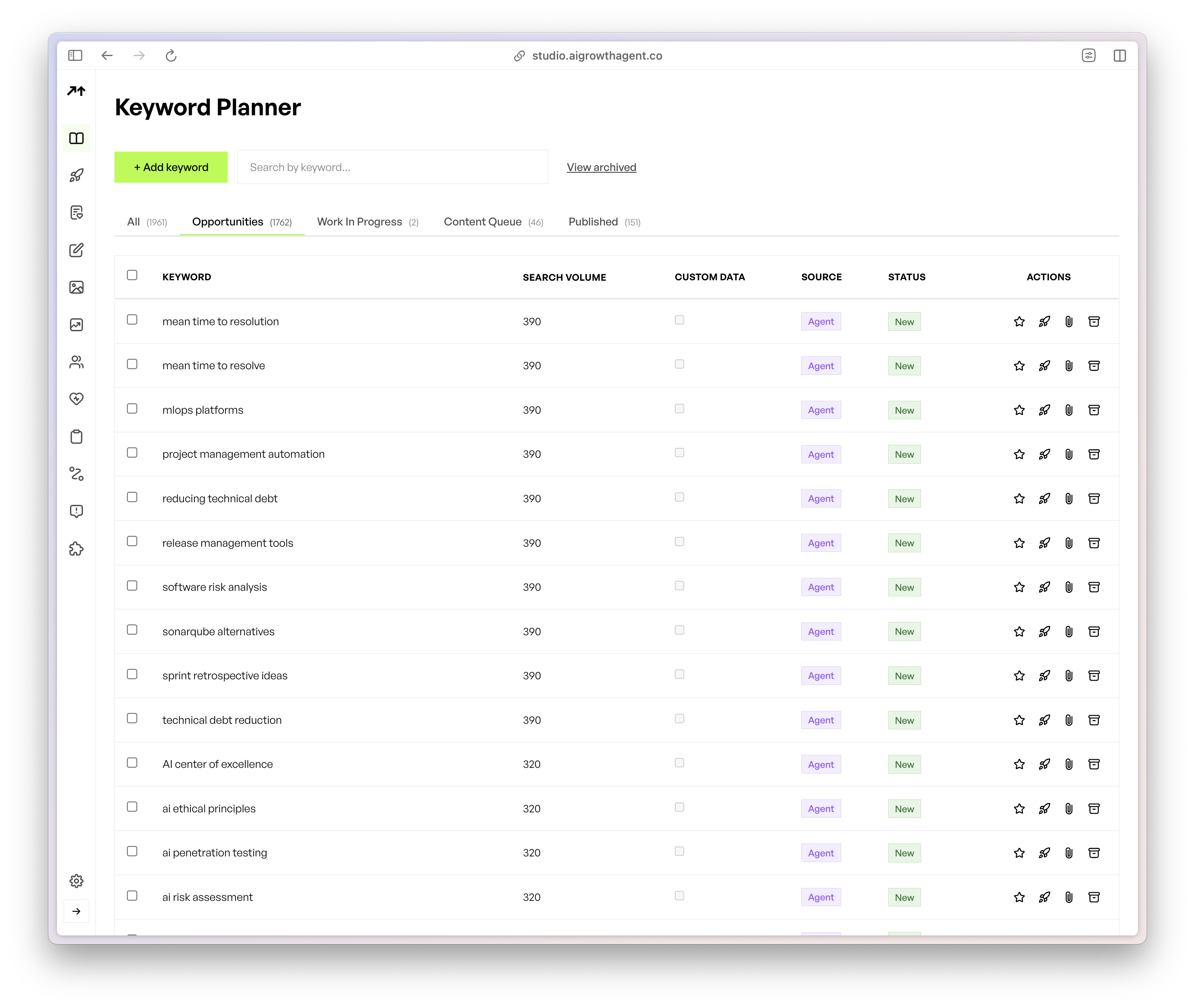
1. Hierarchical pillar-based categories for topical depth
Primary categories should reflect core business topics. Limiting these to 5–10 primary categories keeps themes focused and clear. Each primary category can then branch into subcategories that cover specific angles or use cases within that topic.
Structured parent child relationships show AI engines how your topics connect. Categories provide hierarchical structure that supports ranking for broader keywords. Larger content libraries need consistent rules for category use, since ad hoc decisions make the structure harder for AI to parse at scale.
2. Intelligent tag management for long-tail coverage
Tags work best as precise connectors that group closely related content across categories. Tags support long-tail keywords and improve content discovery and user engagement. Concise, well-defined tags give AI tools more context about specific themes and questions.
Strong tag systems avoid clutter. Thin tags with only one post or tags that duplicate category names can weaken SEO signals. Using 15 or fewer total categories and tags per post reduces confusion and indexing issues.
3. Optimized category and tag archive pages with unique content
Archive pages can function as standalone, high-value resources rather than simple post lists. Adding unique introductions, metadata, and clear topical descriptions turns archive pages into useful landing pages. Each archive can then target a focused keyword set tied to that topic.
Well-structured archive pages expand the number of URLs that can rank and be cited by AI systems. Tracking category and tag performance with analytics tools highlights which archives attract the most traffic. Large sites often need automation to keep archive content consistent across hundreds of topics.
4. Strategic internal linking and breadcrumb trails
Internal links help both users and AI systems move through your topic hierarchy. Category and tag structures support internal linking clusters, breadcrumb paths, and pillar pages that build topical authority. Clear paths from general content to specific articles show how each piece fits into the larger picture.
Breadcrumb navigation that mirrors your category tree, related-post modules that follow topic clusters, and links from supporting posts back to pillars all reinforce this map. Consistent structures improve crawlability, user experience, and AI understanding of your themes.
5. Advanced schema implementation for machine readability
Schema markup gives AI tools explicit signals about content types and relationships. Article schema for posts and CollectionPage schema for category archives help AI systems classify and group your content. BreadcrumbList schema supports navigation clarity.
Sites that apply schema consistently across posts and archives offer a more complete data model to AI search tools. Manual schema markup on large WordPress deployments often breaks over time, so scalable templates or automation usually provide better long-term reliability.
6. AI-powered content clustering for modern topic modeling
AI clustering tools can scan your content and surface topic groups that go beyond simple keyword overlap. These systems can suggest ideal category placements, recommend tags, and reveal content gaps where demand exists but coverage is light.
Content clusters built on semantic similarity help AI search tools recognize where your coverage is deepest. Brands that manage hundreds or thousands of posts usually gain the most from this approach, since manual audits rarely keep up with ongoing publishing.
7. Automated canonicalization and duplicate content prevention
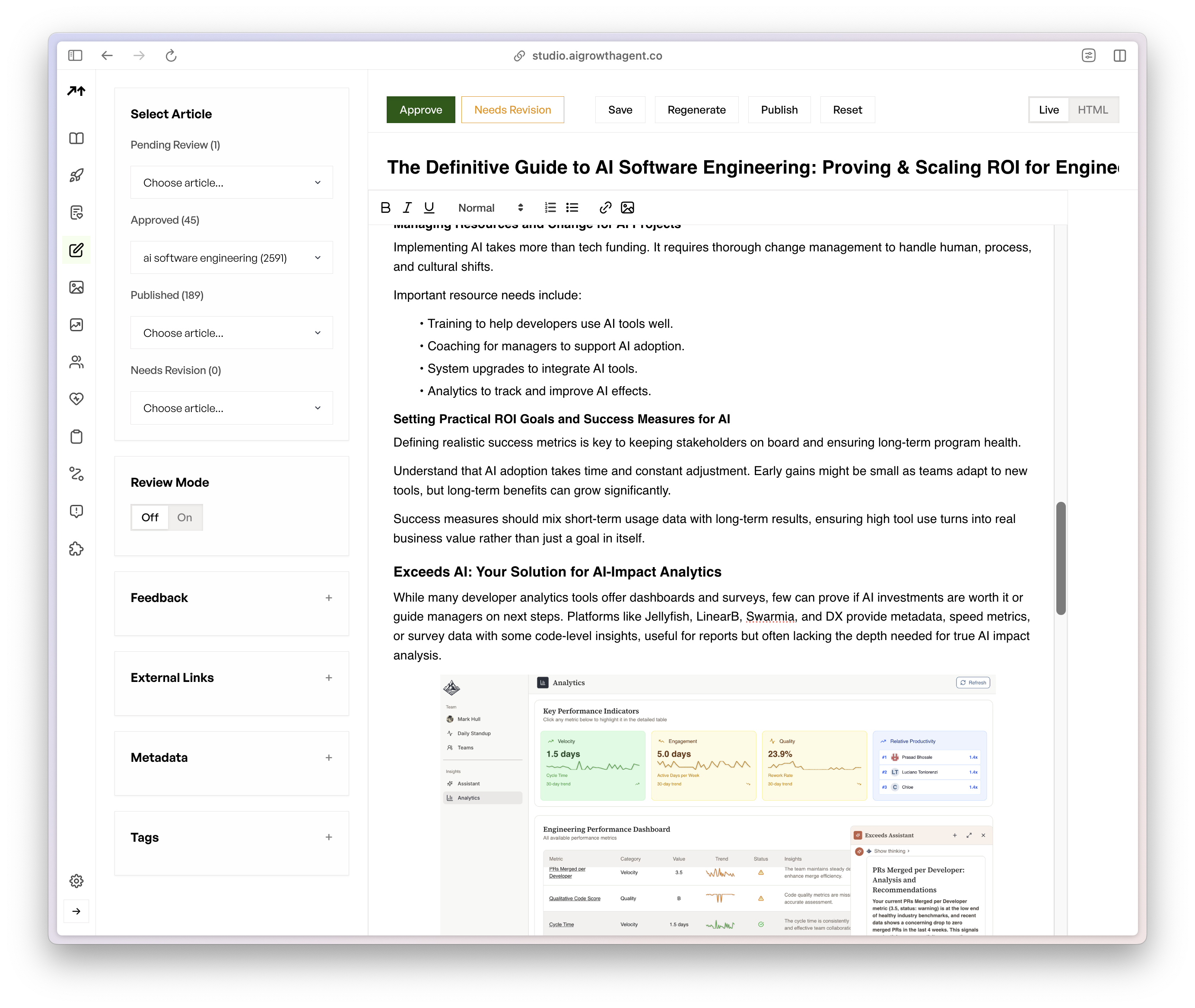
Clean canonical tags and disciplined category use prevent duplicate content issues on large WordPress sites. Limiting overlapping categories per post and adding canonical tags where needed reduces confusion for search engines. Removing the /category/ base from URLs through SEO plugins also simplifies permalinks.
Rules-based tools help enforce standards such as category limits. Plugins like PublishPress Checklists can set minimum and maximum categories and tags per post, which supports consistent taxonomy use across teams.
Implementation and Practical Considerations for Programmatic SEO on WordPress
Limits of manual WordPress management at scale
Manual category and tag assignments become difficult once publishing frequency increases. Every post should have at least one category to avoid uncategorized content, yet this standard is hard to maintain with high-volume workflows. Archive optimization, schema setup, and internal link patterns also require ongoing attention.
High output schedules for AI-era SEO call for daily, technically sound publishing across many topics. Human-only processes rarely sustain that pace while keeping structures clean, so programmatic systems and automation are now practical requirements.
How AI Growth Agent supports autonomous category frameworks
AI Growth Agent applies programmatic SEO to WordPress category management. The agent runs keyword clustering, assigns posts to aligned hierarchical categories and tags, and generates unique archive descriptions at scale. It also handles schema types such as CollectionPage and Article without manual coding.
The system manages canonical tags, refines internal linking, and maintains consistent taxonomy rules. This approach reduces technical friction and keeps your WordPress architecture aligned with how AI search technologies process and cite content.
Measuring AI search citation and adapting your WordPress strategy
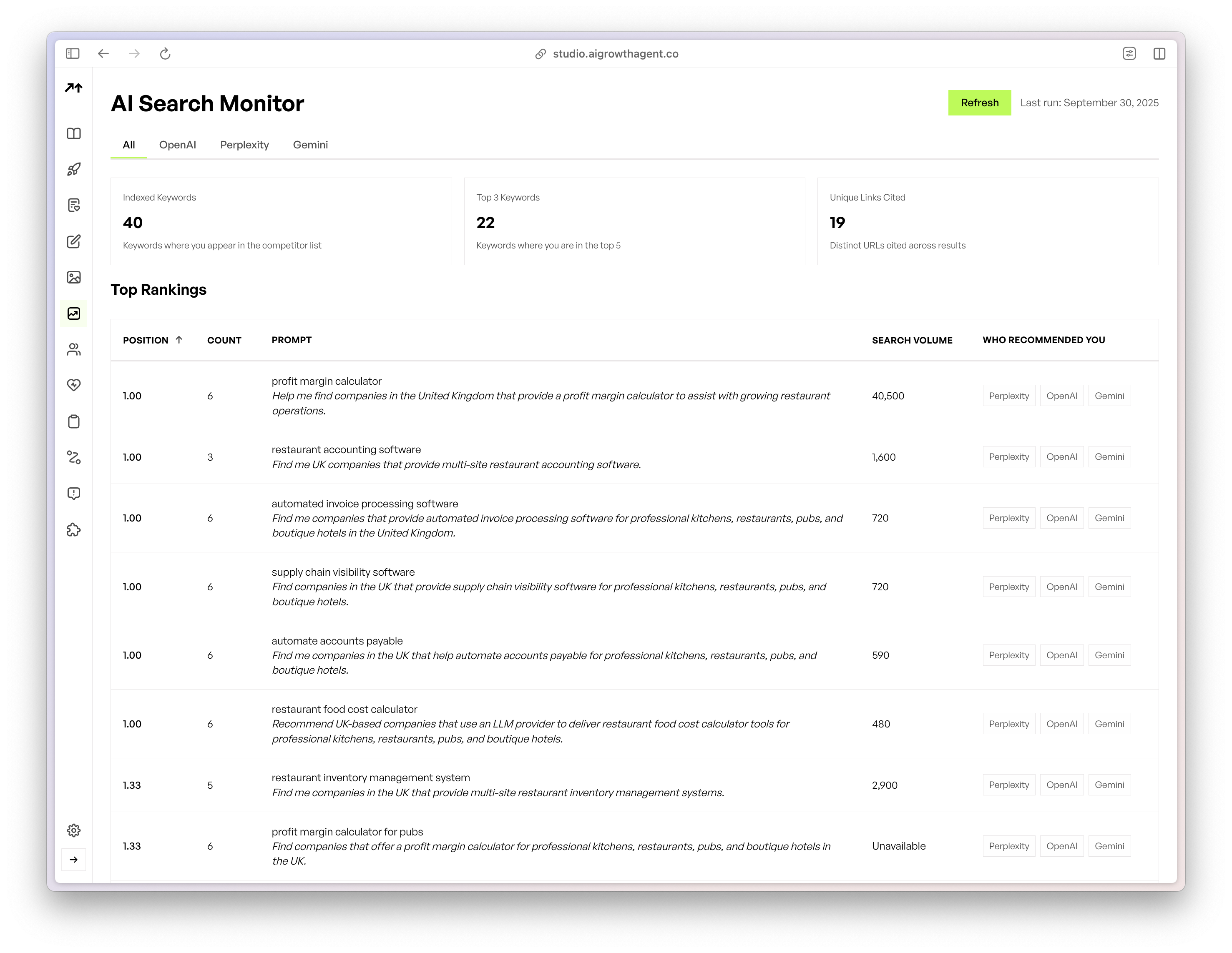
Measurement now extends beyond traditional rankings and traffic to include AI citation data. The AI Growth Agent Studio includes an AI Search Monitor that maps how your URLs appear across ChatGPT, Gemini, and Perplexity. Heatmaps show which pages contribute most to AI visibility and where new coverage may help.
These signals, combined with Google Search Console data, create a full view of performance for both classic search and AI-driven answers. Insights from this tracking help refine category structures, content clusters, and archive optimization over time.
Schedule a demo to see how programmatic category frameworks fit your WordPress strategy
Frequently Asked Questions: WordPress Category SEO for the AI Era
Optimal number of primary categories for WordPress SEO
Most sites benefit from 5–10 primary categories that match core business themes and audience needs. This range keeps topics broad enough to support many posts yet focused enough for AI systems to see clear expertise areas.
Differences between categories and tags for AI-focused SEO
Categories set the main topic structure and provide strong signals about a site’s key themes. Tags create flexible connections between related content and support long-tail discovery. AI systems typically rely more on categories for understanding topic boundaries, while tags add detail around specific questions and use cases.
Impact of category and tag URLs on AI crawlability and indexing
Concise, descriptive URLs make content organization easier to interpret. Removing redundant elements such as /category/ from permalinks improves clarity for both users and crawlers. Simple hierarchies help AI tools map how posts, categories, and archives relate to each other.
Importance of unique content on category archive pages for AI citation
Category archives that only list posts without context often appear thin to AI search systems. Adding short introductions, clear descriptions, and curated lists turns these pages into useful reference points. These enhancements increase the chances that archives will rank and be cited.
How programmatic SEO addresses WordPress category management challenges
Programmatic SEO automates keyword clustering, taxonomy assignments, archive content, schema markup, and internal linking standards. Automation maintains consistency at scale and aligns your structure with AI search requirements. This support allows teams to focus more on strategy and content quality while the system enforces technical best practices.
Schedule a consultation session on WordPress category strategy with AI Growth Agent
Engineer Your WordPress Content for AI Search Visibility
AI-focused search in 2026 rewards sites that treat WordPress categories and tags as a structured data layer, not simple filing tools. Manual workflows struggle to keep taxonomies clean, archives optimized, and schema reliable across large content libraries.
Applying these seven frameworks with programmatic support turns your WordPress site into a coherent, machine-readable domain of expertise. Brands that pair clear architectures with automation position their content to be discovered, understood, and cited by current and emerging AI search systems. Schedule a demo with AI Growth Agent to see how this approach can work for your categories, archives, and AI search performance.
