


AI-powered tools like ChatGPT, Gemini, and Perplexity are changing how users find information with conversational, answer-focused interactions. For marketing leaders at top brands, the challenge is clear: adapt your digital presence to be both user-friendly and structured for AI to easily find, cite, and recommend your content.
This article covers five practical UI/UX changes to help your brand stand out as a trusted source in the AI search landscape, where visibility depends on AI recognition.
AI search is reshaping the digital space, and your brand’s online presence could lose ground without a focused strategy. By prioritizing both user experience and AI compatibility, you can stay ahead. Acting on these UI/UX adjustments now can give your brand a solid edge in this fast-changing environment.
1. Focus on Clear Meaning and Structured Data for AI Understanding
AI search engines need clear, structured content to grasp context and cite reliable sources. Unlike traditional search that leans on keywords and links, AI systems rely on explicit meaning. Your website must balance easy navigation for users with precise signals for AI to interpret.
Start with strong Schema.org markup for content like FAQs, product details, and company facts. This technical base helps AI process information accurately. Pair it with a user interface that uses clear headings, visual order, and specific labels to reduce confusion.
Look at how your site displays key messages. If important points are hidden in long text, break them into distinct sections with descriptive titles. AI systems pull data best from organized blocks, so every menu and content area should clearly show its purpose and connection to the whole site.
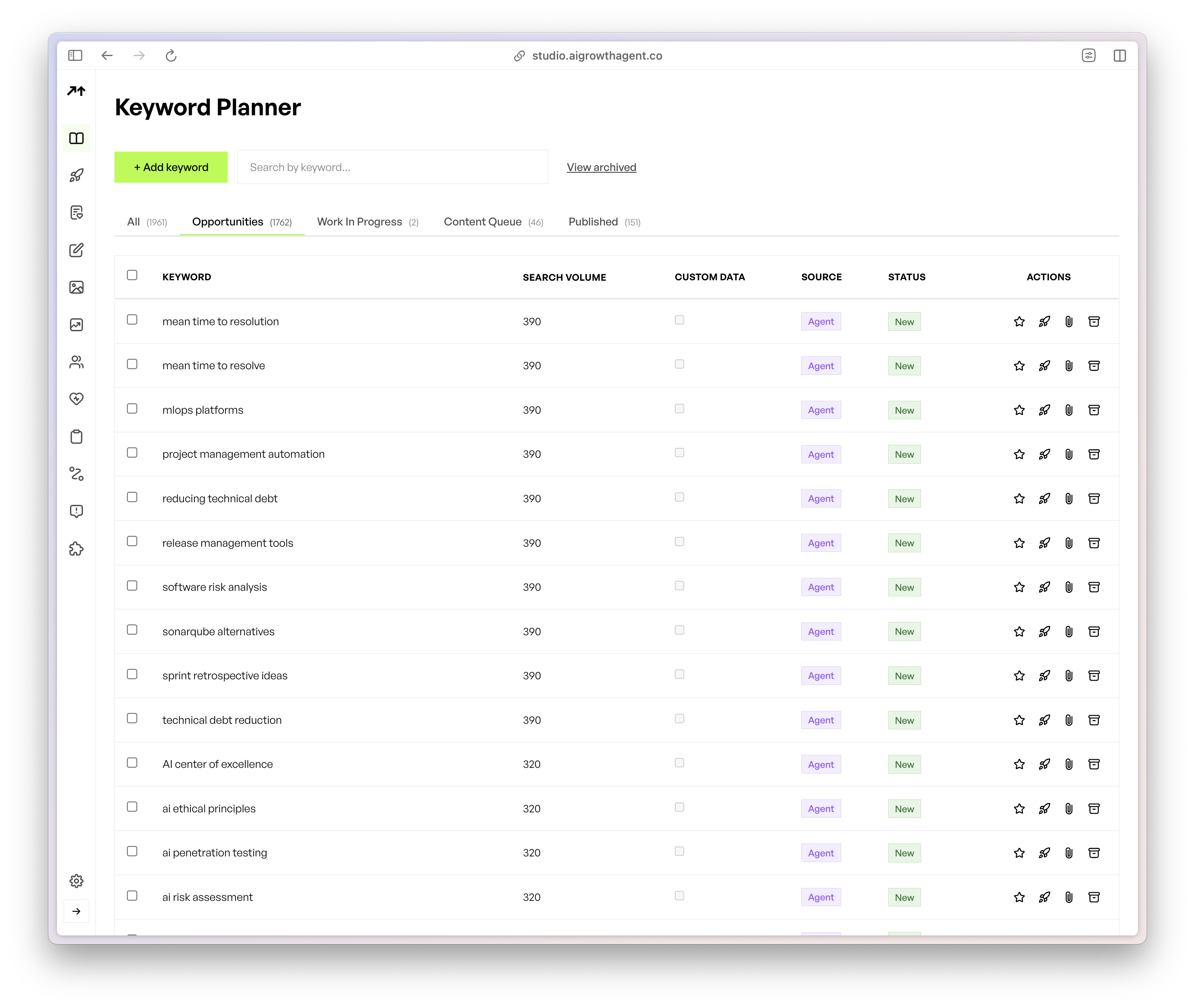
AI Growth Agent builds content with technical precision for AI indexing, using advanced SEO and a unique Model Context Protocol to ensure clarity for AI search engines.
Schedule a demo to see how AI Growth Agent can refine your content for AI search engines.
2. Design Content for Direct AI Citation and Easy Extraction
AI search engines often pull information straight into their responses, rather than sending users to your site. They favor content with distinct answer sections, clear definitions, and organized data tables for citation. Your UI/UX needs to support this by formatting content for easy extraction while keeping your brand linked to the information.
Move away from long, flowing articles. Instead, create standalone content pieces that answer specific points directly. Use visual separation and clear labels to make these segments stand out for both users and AI.
Use a heading structure with levels like H2, H3, and H4 to guide users and AI through your content logically. Include summary boxes or numbered steps to boost the chance of being cited. Data tables for comparisons or stats should be neat and labeled for quick AI parsing.
Your design should highlight key ideas with clear spacing between topics and a logical flow for complex subjects. This helps AI spot reliable answers fast and understand their place in your expertise.
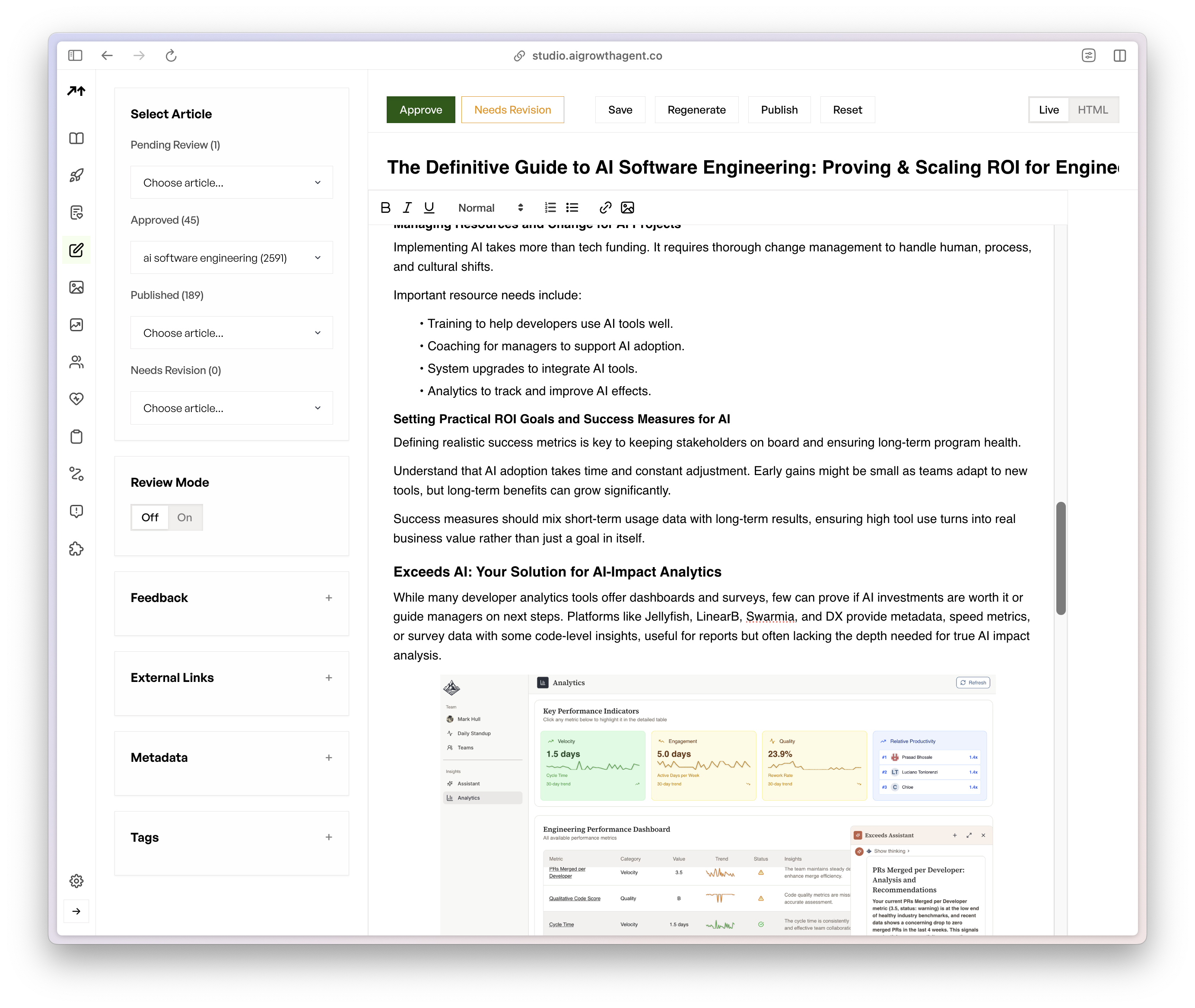
AI Growth Agent optimizes content for AI visibility by automating structured formats and applying detailed markup for higher citation potential.
Get your content cited by AI. Schedule a consultation with AI Growth Agent.
3. Build for Conversational Interfaces and User Intent
AI search has shifted from simple keyword lookups to understanding user intent through conversation. These engines focus on dialog rather than lists, changing how users engage with interfaces. Your site’s design must support interactions that help AI grasp intent and offer relevant content.
Go beyond static pages by adding interactive features that encourage engagement. Personalized results come from user actions, so interfaces need to promote clear, meaningful interactions for AI to analyze. Every click or scroll on your site sends signals about content value to AI systems.
Place calls to action and feedback options strategically to guide users to valuable content. This builds genuine engagement, showing AI the relevance of your material. Use expandable sections or related links to let users explore deeper, helping AI see connections in your content.
Structure content to follow a conversational flow, addressing likely follow-up topics. This setup mirrors natural dialog, making it easier for AI to connect your information to user needs.
AI Growth Agent’s unique Model Context Protocol enhances how AI understands your content’s intent, improving its discoverability.
Adapt your content for AI search with AI Growth Agent. Find out more.
4. Use AI-Driven Testing for Ongoing UI/UX Improvement
AI search algorithms evolve quickly, requiring a fresh approach to UX testing with AI analytics for both user behavior and AI interaction. AI tools help personalize interfaces and speed up usability insights, aiding layouts built for AI extraction. This dual focus ensures your site works well for users and AI alike.
Combine traditional A/B testing with AI analytics to see how users and crawlers engage with your content. Track clicks, scrolls, and time spent to pinpoint effective UI elements.
Use heatmaps to identify which headings or formats gain traction. This data helps refine layouts and content for performance across search types. Adjust high-engagement, low-citation areas for AI readability, and boost user-friendly design in cited but less engaging spots.
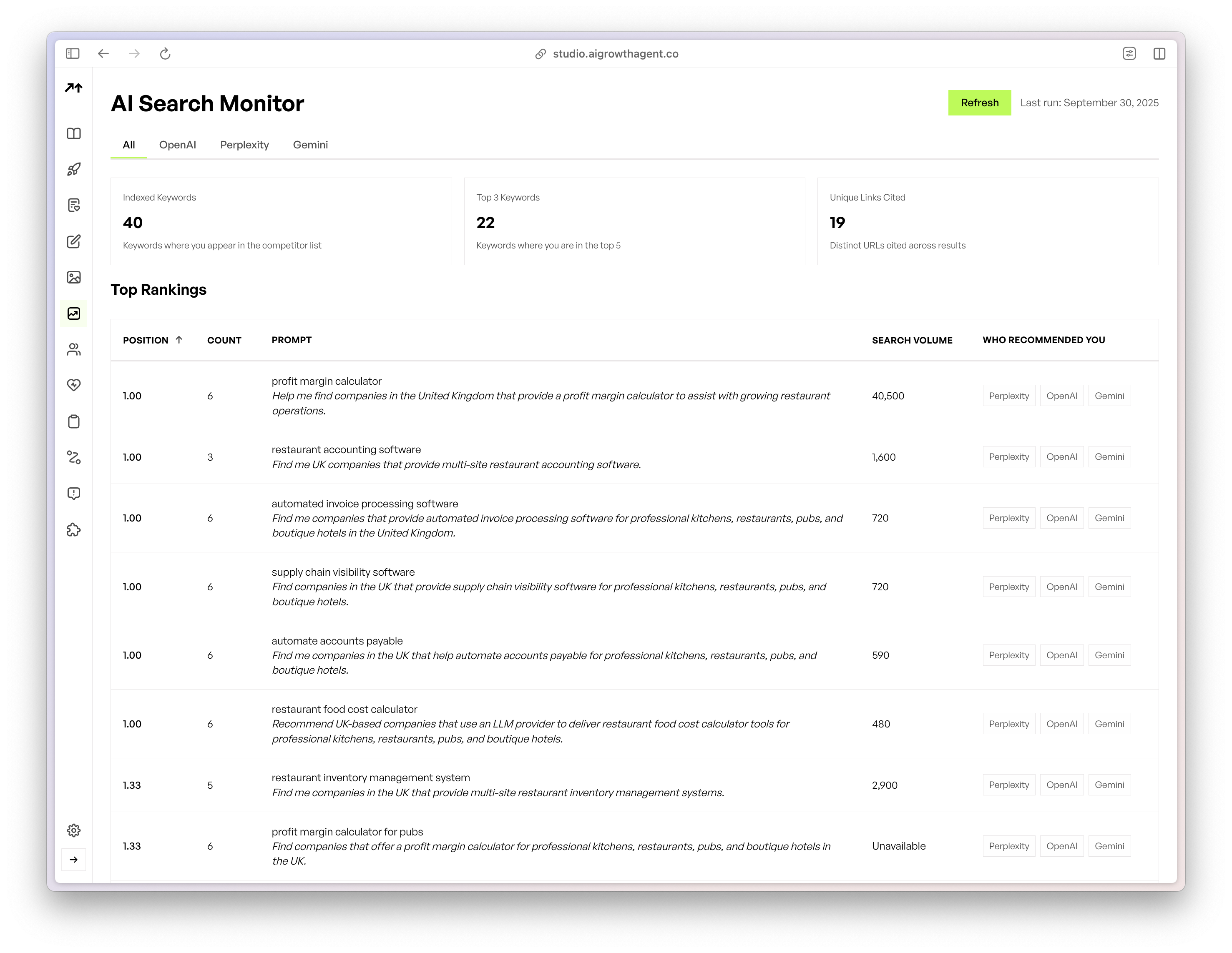
AI Growth Agent connects with Google Search Console to deliver metrics on traffic growth, aiding ongoing optimization for AI search results.
Enhance your approach with AI Growth Agent’s data insights. Request a demo.
5. Balance User-Friendly Design with AI Technical Needs
Success in digital visibility means blending design for users with technical setups for AI. User-focused design stays vital even as AI grows in importance. At the same time, technical details must ensure AI can read and cite content effectively.
Begin with accessibility standards that help both users and AI. Features like ARIA labels and semantic HTML improve user access and AI processing. Clear markup, detailed alt text, and logical headings aid universal access and provide context for AI.
Design visually for users while embedding cues for AI readability. Use consistent layouts, ordered visuals, and descriptive elements to show purpose. Build on clean HTML for solid user experiences, then layer on markup and AI-focused tweaks without affecting usability.
Navigation should support easy user browsing and AI crawling. Clear categories, specific link text, and an organized structure guide users and signal content relationships to AI. Fast load times and clean code also benefit both audiences.
AI Growth Agent offers technical expertise with advanced schema and LLM.txt files for effortless AI indexing.
Reach ideal AI accessibility with AI Growth Agent. Schedule a consultation.
Conclusion: Establish Your Presence in the AI Search Landscape
AI-powered search marks a major shift in how digital credibility is built and recognized. Marketing leaders who adopt these five UI/UX changes can position their brands as go-to sources for AI citation and recommendation, gaining a strong foothold in this space.
Combining clear meaning, citation-ready content, conversational design, ongoing AI testing, and technical accessibility forms a complete strategy for AI search visibility. These elements work together to ensure your online presence meets both user and AI needs effectively.
Delaying these updates means missing out on AI citations and losing digital ground to competitors. Brands that act quickly, while others hesitate, will lay a strong foundation for the future.
AI Growth Agent supports top brands with an autonomous content platform to deliver answers that AI search engines prioritize. Our technical expertise and strategic approach simplify building credibility in AI search.
Frequently Asked Questions About UI/UX for AI Search
How AI Search Engines Differ From Traditional Search in UI/UX Interpretation
AI search engines focus on understanding user intent and context through conversational exchanges, unlike traditional search, which relies on keywords and ranked lists. They value content with clear structure, explicit labels, and organized layouts. Your site’s UI/UX must meet user navigation needs while ensuring AI can interpret and cite information accurately.
Impact of Personalized UI/UX on AI Discoverability
Personalized UI/UX can boost AI discoverability if done with care. Tailoring experiences based on user actions improves engagement metrics that AI values, like time spent on content. However, inconsistent personalization that hides core content can confuse AI indexing. Maintain a steady, clear foundation with markup, then add personalization to ensure AI can access key information.
Key UI Elements for AI Citation and Recommendation
Critical UI features for AI citation include structured headings, lists, definition paragraphs, summary boxes, and labeled data tables. Enhance these with Schema.org markup for added context. Interactive buttons, clear calls-to-action, and logical navigation also signal content value. Visual highlights like quote boxes and comparison tables improve the chance of AI extraction, balancing clarity for users and AI alike.
How AI Growth Agent Improves UI/UX for AI Search Results
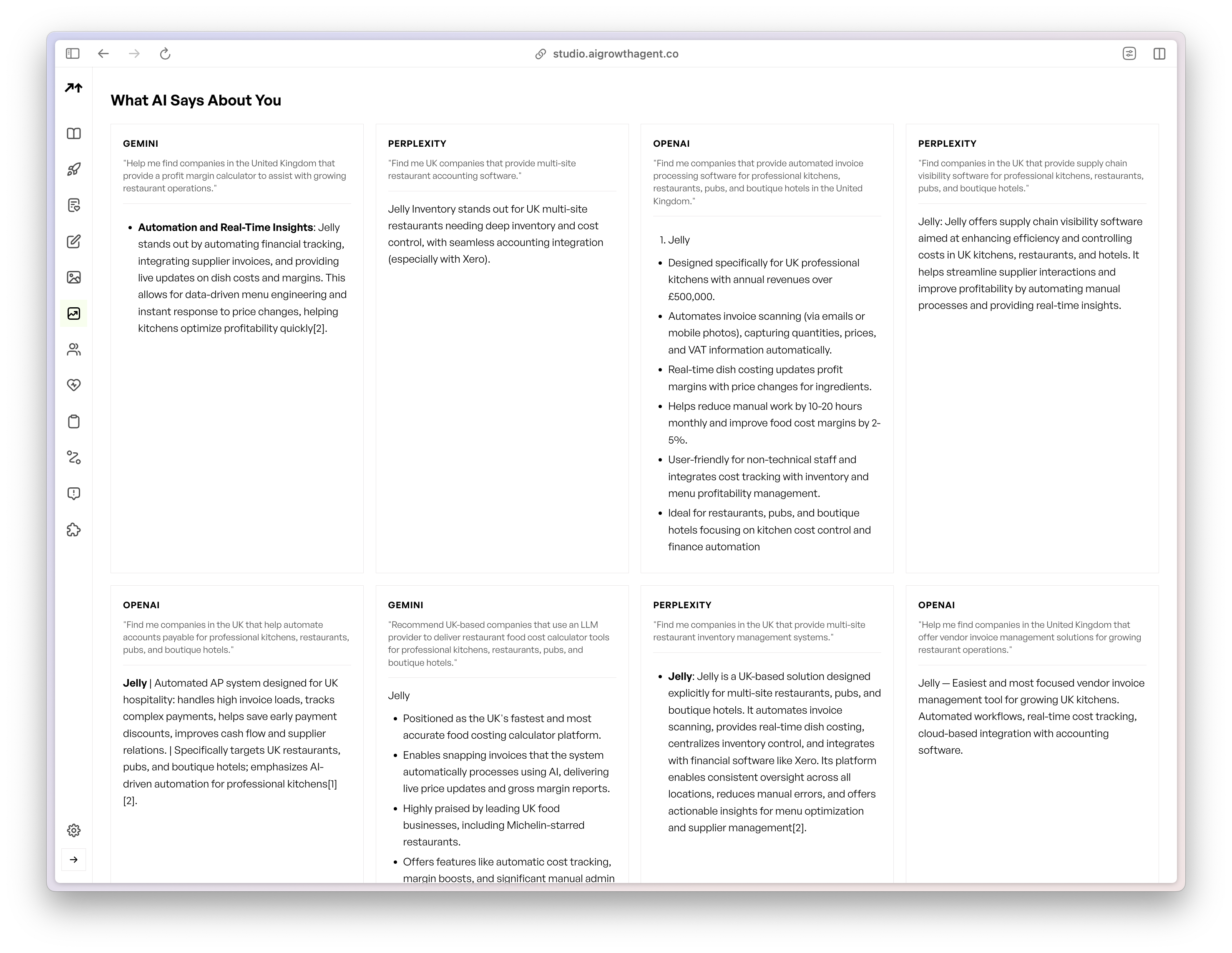
AI Growth Agent’s platform optimizes content for AI search with a thorough technical setup. It applies advanced SEO, detailed Schema markup, and a proprietary Model Context Protocol to clarify content structure and intent. Monitoring tools track citation performance, enabling ongoing refinement without extra workload for your team.
Designing for Humans or AI Crawlers in Today’s Search Environment
The best strategy is to design for both users and AI crawlers at the same time, as their needs align more than they conflict. Strong user experiences create positive signals like longer visits, which AI values. Adding semantic markup and a clear structure ensures content is understandable to AI. Focus on valuable user interactions while embedding technical elements for AI to interpret and cite effectively.
