


Key Takeaways
- AI search engines cite structured data 2.8x more frequently, yet only 31.3% of websites use schema markup, creating a major SEO gap.
- Google deprecated Q&A, Dataset, and several other schemas in 2026, so you must update implementations to protect rich snippet visibility.
- Pages with schema markup see 20-40% higher click-through rates and appear in 36% more AI-generated summaries than unstructured pages.
- Use JSON-LD, Rank Math or Schema Pro plugins, validate with Google’s Rich Results Test, and prevent issues like plugin conflicts and over-markup.
- Scale schema across WordPress with AI Growth Agent to increase AI citations without ongoing manual work.
Core 2026 WordPress Schema Markup Practices That Protect SEO
These practices keep your schema compliant and improve visibility in both traditional and AI search results.
- Prefer JSON-LD over microdata – Google recommends JSON-LD because it is easier to maintain and validate.
- Markup only visible content – Hidden or misleading schema can trigger manual penalties from Google.
- Use specific schema types – BlogPosting usually outperforms generic Article, and new types like AI-Generated Content Disclosure support transparency.
- Include all required properties – Search engines often ignore incomplete schema that misses mandatory fields.
- Prioritize high-impact pages – Start with your homepage, product pages, and cornerstone content before expanding.
- Validate with Google’s Rich Results Test – Test every implementation before publishing to catch errors early.
- Avoid plugin conflicts – Run a single schema solution to prevent duplicate or conflicting markup.
- Update for 2026 deprecations – Remove Q&A and Dataset schemas and maintain FAQPage for AI citation opportunities.
- Add AI-optimized schema – Implement FAQPage and VideoObject to increase the chance of LLM citations.
- Monitor Google Search Console – Track enhancement errors and rich snippet performance over time.
WordPress Schema Implementation Options That Actually Work
WordPress schema implementation usually comes down to plugin-based automation or manual code insertion. Each method suits different skill levels and technical needs.
WordPress Schema Plugin Comparison for 2026
|
Plugin |
Features |
Ease of Use |
AI Compatibility |
Price |
|
Yoast SEO |
Auto core schema, basic rich snippets |
Medium |
Strong |
Freemium |
|
Rank Math |
Custom builder, 20+ types, JSON-LD |
High |
Good (FAQ/Video) |
$5.75/mo |
|
Schema Pro |
20+ types, no-code, conflict-free |
High |
Moderate |
$69/yr |
Rank Math receives the highest user satisfaction rating of 4.9/5 for comprehensive schema coverage, while Schema Pro scores 4.7/5 for code-free setup across more than 20 schema types.
Rank Math Schema Setup in Five Clear Steps
- Install and activate Rank Math – Download it from the WordPress repository or upload the premium version.
- Configure global schema settings – Go to SEO → Schema and set Organization or Person details for your site.
- Add post-specific schema – Edit each post and choose the right schema type from the Rank Math meta box.
- Customize schema properties – Complete required fields such as author, publish date, and featured image.
- Validate implementation – Test every page with Google’s Rich Results Test tool before or after publishing.
Manual JSON-LD Schema for Advanced Control
Advanced users who need custom configurations can insert JSON-LD manually for full control over markup.
<script type=”application/ld+json”> { “@context”: “https://schema.org”, “@type”: “Article”, “headline”: “Your Article Title”, “author”: { “@type”: “Person”, “name”: “Author Name” }, “datePublished”: “2026-02-21”, “image”: “https://example.com/image.jpg” } </script>
AI Growth Agent removes this manual work through autonomous WordPress integration. The platform analyzes content, generates schema markup, and injects structured data based on current SEO best practices.
Schema Testing Checklist for Reliable Google Validation
Consistent validation prevents schema errors that can quietly reduce search visibility.
- Google Rich Results Test – Enter the page URL to find markup errors and see eligible rich snippets.
- Google Search Console Enhancements – Review structured data reports to monitor schema health across the site.
- Schema.org Validator – Confirm syntax accuracy and check that required properties are present.
- Monitor performance metrics – Track click-through rates and rich snippet impressions over time.
- Test mobile compatibility – Confirm that schema supports correct display across mobile and desktop devices.
WordPress Schema Pitfalls and 2026 Fixes
Most WordPress schema problems fall into a few repeatable patterns that you can fix quickly.
- Plugin conflicts – Multiple schema plugins create duplicate markup. Fix: Deactivate all but one schema solution.
- Over-markup penalties – Marking up invisible or mismatched content risks manual penalties. Fix: Match schema precisely to visible page content.
- Deprecated schema types – Using Dataset or Q&A schemas after January 2026 causes validation failures. Fix: Remove deprecated types and switch to supported alternatives.
- Incomplete required properties – Missing mandatory fields block rich snippet eligibility. Fix: Complete all required properties and recheck with validation tools.
- Wrong schema selection – Using Product schema for blog posts or Article schema for e-commerce pages confuses search engines. Fix: Choose the most specific and accurate schema type.
Scaling Schema for AI Citations and Programmatic SEO
AI search engines favor websites that maintain comprehensive and accurate structured data coverage.
Pages with thorough schema markup appear in 36% more AI-generated summaries, and Google and Microsoft confirmed schema usage for Generative AI features in March 2025.
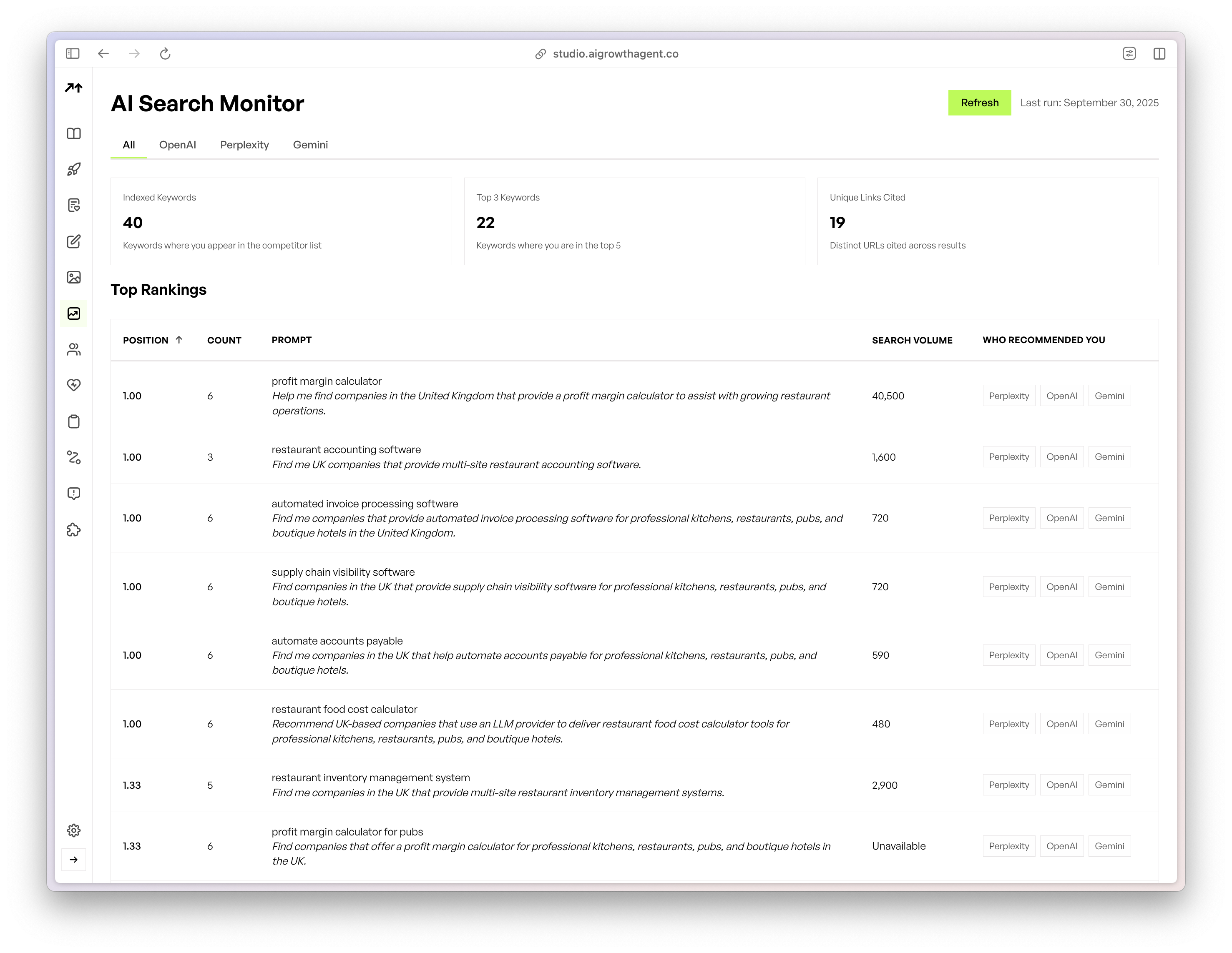
These schema types matter most for AI visibility:
- FAQPage schema – Supplies ready-made question and answer pairs for AI models even after 2023 rich snippet deprecation.
- Organization schema – Strengthens entity authority and E-E-A-T signals that support AI citation confidence.
- VideoObject schema – Helps AI systems surface your multimedia content in search experiences.
- Product schema – Can deliver up to 4.2x higher Google Shopping visibility.
AI Growth Agent solves the scaling problem with autonomous schema deployment across WordPress sites. The platform researches page context, generates the right schema, and injects structured data without ongoing manual work. Bucked Up reached the top ChatGPT citation for protein soda within three weeks of using AI Growth Agent, which shows the power of programmatic schema at scale.
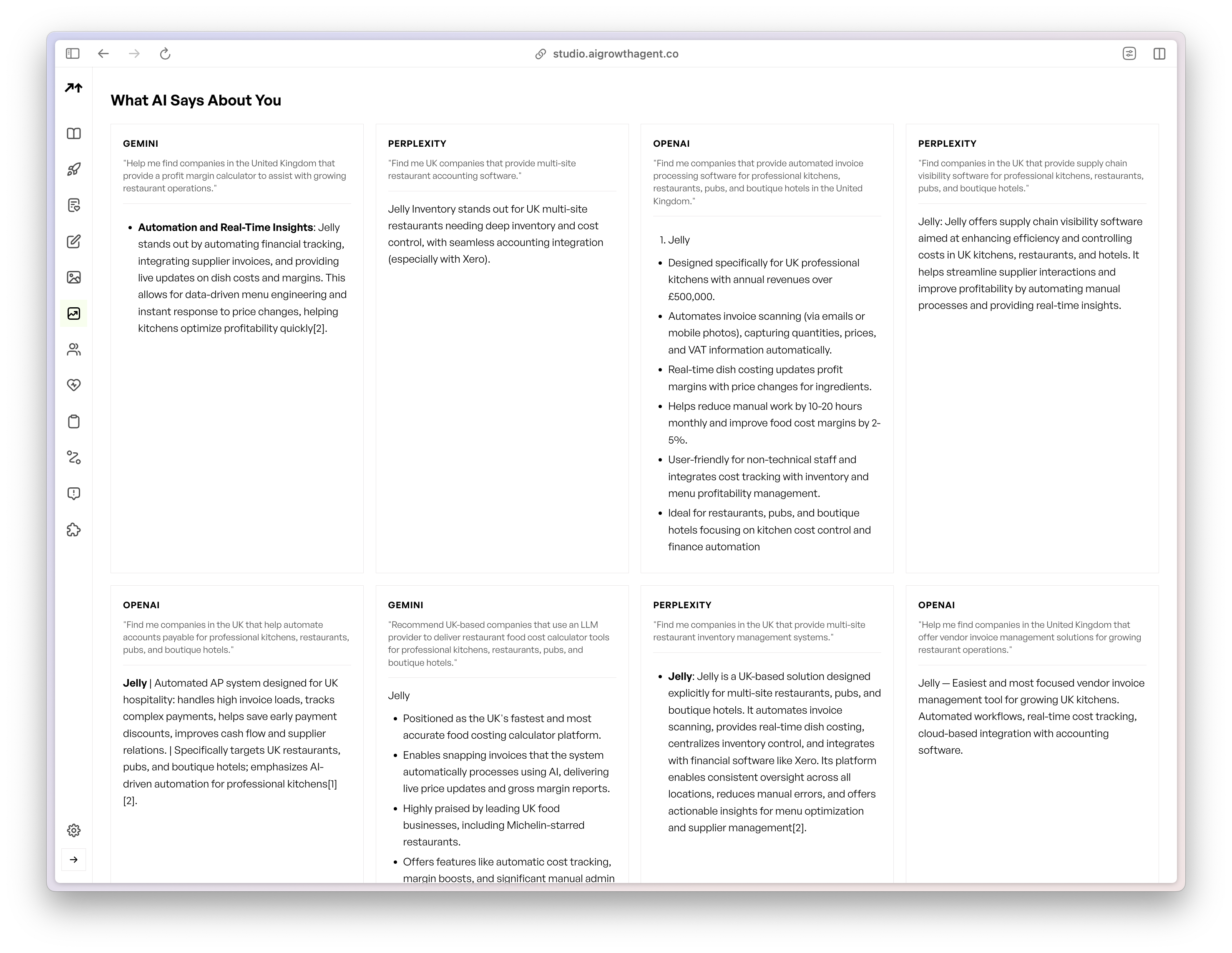
Upgrade your WordPress schema strategy now: Schedule a demo for WordPress schema markup implementation best practices for SEO at scale.
FAQs: WordPress Schema Markup Best Practices
Does schema markup help SEO?
Schema markup improves SEO by unlocking rich snippets and AI citations. Well-implemented structured data increases click-through rates by 20-40% and makes pages 36% more likely to appear in AI-generated search summaries. Schema markup clarifies content context for search engines, which supports features like star ratings, pricing details, and knowledge panels.
What is the best schema markup plugin for WordPress in 2026?
Rank Math currently leads WordPress schema plugins with a 4.9/5 user rating and offers JSON-LD generation, more than 20 schema types, and AI-friendly options like FAQ and Video schema. Schema Pro delivers a strong code-free experience with conflict-free implementation, while AI Growth Agent provides an autonomous solution for enterprise-scale schema deployment across many WordPress sites.
Should I use JSON-LD or microdata for WordPress schema?
JSON-LD is the preferred format for WordPress schema. Google recommends JSON-LD because it separates structured data from HTML, which simplifies maintenance and reduces markup errors. JSON-LD also works more reliably with WordPress plugins and themes, while microdata requires inline HTML changes that can break during theme updates.
How do I test schema markup with Google?
Use Google’s Rich Results Test to validate schema markup. Enter your page URL to see markup errors, eligible rich snippets, and compliance issues. Then review Google Search Console Enhancement reports for site-wide schema health and use the Schema.org validator for syntax checks. Test both desktop and mobile versions to confirm consistent markup performance.
Can schema markup hurt my SEO?
Incorrect schema can damage SEO performance. Google penalizes sites that markup invisible content, use misleading structured data, or keep deprecated schema types active. Risky practices include marking up content that does not appear on the page, running multiple conflicting schema plugins, and failing to remove deprecated Q&A and Dataset schemas that were dropped in January 2026.
Conclusion: Scale WordPress Schema Markup for 2026 SEO Wins
WordPress schema markup now requires clear strategy, accurate implementation, and steady maintenance to deliver strong SEO results. The 2026 environment demands alignment with updated Schema.org vocabulary, removal of deprecated types, and preparation for AI search systems that rely heavily on structured data.
Successful teams follow a repeatable process. They choose the right plugin or manual method, implement core schema types like Organization and Article, validate markup with Google tools, and monitor performance in Search Console. Advanced teams also add AI-focused schema types such as FAQPage and VideoObject to capture citations in AI-generated search experiences.
Organizations that scale schema programmatically gain a lasting advantage over manual workflows. AI Growth Agent upgrades WordPress schema deployment through autonomous content analysis, markup generation, and technical implementation, which gives brands broad structured data coverage without constant developer time.
End manual schema work and move to autonomous WordPress schema coverage: Schedule a demo to see whether AI Growth Agent fits your autonomous WordPress schema markup implementation needs for SEO.
