Written by: Mariana Fonseca, Editorial Team, AI Growth Agent
Key Takeaways
- Enterprise CMOs in 2026 face a clear choice between legacy marketing automation platforms that demand complex implementation and ongoing oversight and autonomous AI engines that deliver compounding organic visibility with minimal manual input.
- Key selection criteria include implementation complexity, scalability benchmarks, native CRM integration, true agentic AI capabilities, B2B versus B2C focus, compliance requirements, total cost of ownership, and long-term adaptability to AI-driven workflows.
- Legacy platforms like Marketo, Salesforce Marketing Cloud, and Braze excel at multi-channel campaign execution but require months of setup, heavy professional services, and fragmented tool stacks that increase total cost of ownership.
- AI Growth Agent stands out by deploying a fully optimized branded blog within one week, producing 2–50 self-optimizing articles daily, and reporting incremental visibility across Google AI Overviews, ChatGPT, bot traffic, and impressions without CRM dependency.
- Brands ready to shift from paid media dependency to durable organic presence can schedule a consultation with AI Growth Agent to evaluate whether autonomous content generation can replace their paid media dependency.
Key Selection Criteria for Enterprise Marketing Automation
Enterprise teams need clear criteria that separate true enterprise platforms from mid-market tools with enterprise pricing.
Implementation complexity. Professional services represent a significant ongoing investment for enterprise platforms, a direct signal that implementation is a sustained cost center, not a one-time event. This cost burden intensifies when enterprises must integrate multiple MarTech vendors, a reality in complex industries where multi-vendor stack integration can consume up to 30% of total budgets.
Scalability benchmarks. MoEngage processes over 1 trillion data points and supports over 50 billion messages monthly. B2C platforms like Braze are tuned for high-velocity real-time engagement. B2B platforms like Marketo and Pardot are tuned for complex multi-touch journeys. These benchmarks reflect different design goals and cannot be treated as interchangeable.
Native CRM integration realities. Bi-directional Salesforce sync requires Enterprise or Unlimited Edition REST API access. Professional Edition requires purchasing additional API packages. Integration depth varies materially by vendor and Salesforce edition, which affects both cost and implementation effort.
AI capabilities. Only a subset of evaluated platforms ship true agentic workflows in 2026 rather than simple AI copy assistants. Teams should verify production-deployed automation with audit logs and real use cases before accepting vendor claims.
B2B versus B2C focus. These are structurally different use cases. B2B programs rely on long-cycle nurture, account-based logic, and CRM-native lead scoring. B2C programs rely on real-time behavioral triggers, replenishment flows, and high-volume personalization at millisecond latency.
Compliance and data governance. Twenty US states have enacted comprehensive data privacy laws as of early 2026, increasing compliance costs 30–40% for multi-state operations. GDPR enforcement recorded approximately €1.2 billion in fines in 2025, which underscores the financial risk of weak governance.
Total cost of ownership. Switching costs for global enterprise marketing automation deployments can exceed USD 500,000. Services revenue is growing faster than software revenue, driven by rising integration complexity, so teams must budget for ongoing services, not just licenses.
Long-term adaptability. A notable share of mid-market teams evaluated a platform change in 2026, with AI agent capability cited as a key driver rather than price. Platforms that cannot support autonomous workflows risk rapid obsolescence.
Side-by-Side Platform Comparison for 2026 Decisions
With these selection criteria established, the following table applies them to five leading platforms, comparing how each addresses primary fit, AI maturity, and CRM integration requirements. The table below compares leading platforms across four criteria relevant to enterprise selection. All data points are drawn from verified 2025–2026 sources. Metrics that cannot share a common unit are addressed in prose sections below.
| Platform | Primary Fit | AI Maturity (2026) | CRM Integration |
|---|---|---|---|
| Marketo Engage | Enterprise B2B | Agentic journey optimization and brand-safe content generation via Adobe AI | Native Salesforce, deep but implementation-heavy |
| Salesforce Marketing Cloud / Pardot | Enterprise B2B | Einstein agents with a unified Data Cloud profile layer | Native, requires Enterprise or Unlimited for full REST API |
| Braze | Enterprise B2C / mobile-first | Sage agents with native MCP server support | API-based, not CRM-native |
| HubSpot Marketing Hub Enterprise | Mid-market B2B | Breeze agentic suite across blog, email, and paid channels | CRM-native HubSpot, Salesforce sync via connector |
| AI Growth Agent | Mid-market to Enterprise, B2B and B2C | Autonomous multi-agent engine for search universe mapping, living content generation, and incremental visibility reporting across Google AI Overviews, ChatGPT, bot traffic, and impressions | Connects via reverse proxy or subdomain, uses Google Search Console and UTM attribution, and does not require CRM dependency |
B2B vs B2C platform fit at a glance. Marketo, Pardot, and HubSpot are built for B2B complexity, including account-based nurture, multi-stakeholder journeys, and CRM-native lead scoring. Braze, Klaviyo, and Bloomreach are built for B2C velocity, including real-time behavioral triggers, replenishment flows, and high-volume personalization. Payactiv uses MoEngage Inform to send 100k+ promotional and transactional emails per day, while MoEngage Inform achieves under-3-second delivery for transactional messages via a single API, which illustrates a B2C throughput benchmark that B2B platforms are not designed to match. AI Growth Agent operates across both contexts as an organic visibility engine rather than a campaign execution platform, so the B2B and B2C distinction matters less to its selection criteria.
Setup and Implementation Trade-offs for 2026 Stacks
Legacy enterprise platforms carry implementation timelines measured in months. Shortages in qualified marketing technologists force mid-market firms to rely on consultants charging premium hourly rates, which materially inflates total cost of ownership before a single campaign runs.
AI Growth Agent inverts this timeline. The engine stands up a fully optimized, branded blog connected to the client's domain through a reverse proxy rewrite or subdomain within the first onboarding week. The client participates in a one-hour journalist-led interview to produce a Company Manifesto, which is brand-approved, AI-ready documentation that anchors every article.
From that point, the first published article can be live within one week of kickoff, with content indexing in as little as two weeks. No website agency, no engineering dependency, and no months of briefing and onboarding are required.
Operational Efficiency and Quality Control at Scale
Message-level AI personalization layers from vendors such as Bloomreach, Jasper Brand IQ, and Typeface operate as reviewer-assisted workflows in 2026, drafting variants and requiring human approval for tone and claim accuracy before deployment. That human-in-the-loop requirement supports campaign compliance but also creates a throughput ceiling.
AI Growth Agent's content is living and self-optimizing, which removes many operational bottlenecks that slow reviewer-assisted workflows. When a client updates a CTA, a link, or a brand rule, the engine syncs and updates all affected live articles automatically overnight. No republishing and no manual review cycle are required for those global changes.
This automation also extends to production volume. The engine produces between 2 and 50 articles per day per client, capped at 500 per month, with every claim and source validated against real-time web research rather than a model's training data. Feedback is saved as a memory so the same note is never needed twice. Content governance is enforced at the system level instead of relying on manual review alone.
Technical Depth, CRM Integration, and Compliance Architecture
Native Salesforce integration carries real architectural requirements. Salesforce Enterprise and Unlimited Editions include REST API access for bi-directional sync, while Professional Edition requires purchasing additional API packages. Integration users need create, read, and edit permissions across Accounts, Contacts, Leads, Opportunities, and User Roles, plus field-level security configuration. This connection is not plug-and-play.
Salesforce Shield provides field-level encryption, event monitoring, and platform encryption for PCI DSS, HIPAA, and GDPR compliance. Leading 2026 platforms enforce data governance at the schema level, rejecting malformed values at the API gate before they can break automations. These controls help avoid the kind of compliance failures that contributed to the €1.2 billion in GDPR fines in 2025.
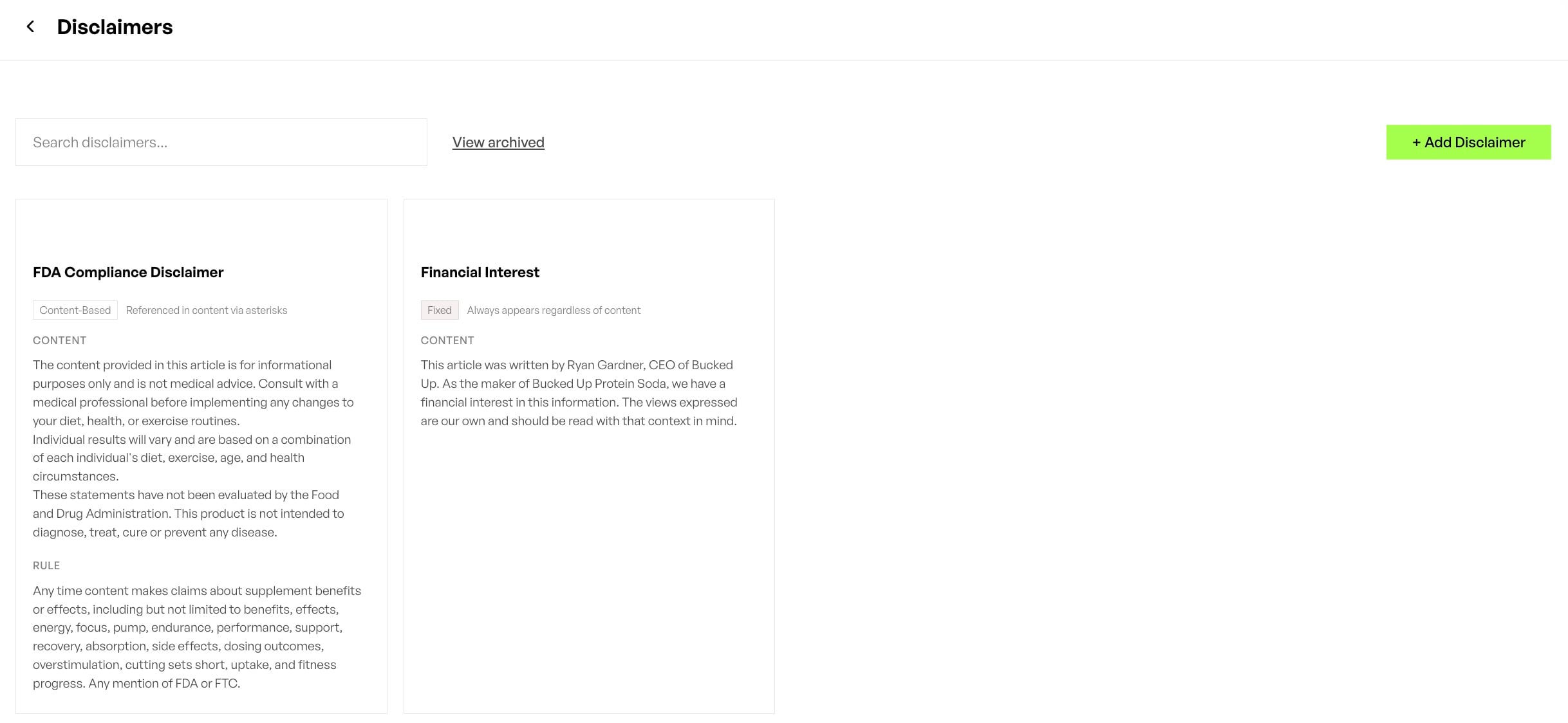
AI Growth Agent's compliance architecture follows a different pattern. Dynamic legal disclaimers, claim prioritization from internal documentation, and anti-hallucination validation against live external sources are configured once and applied to every future generation. The engine supports AMA and Chicago citation styles for regulated industries.
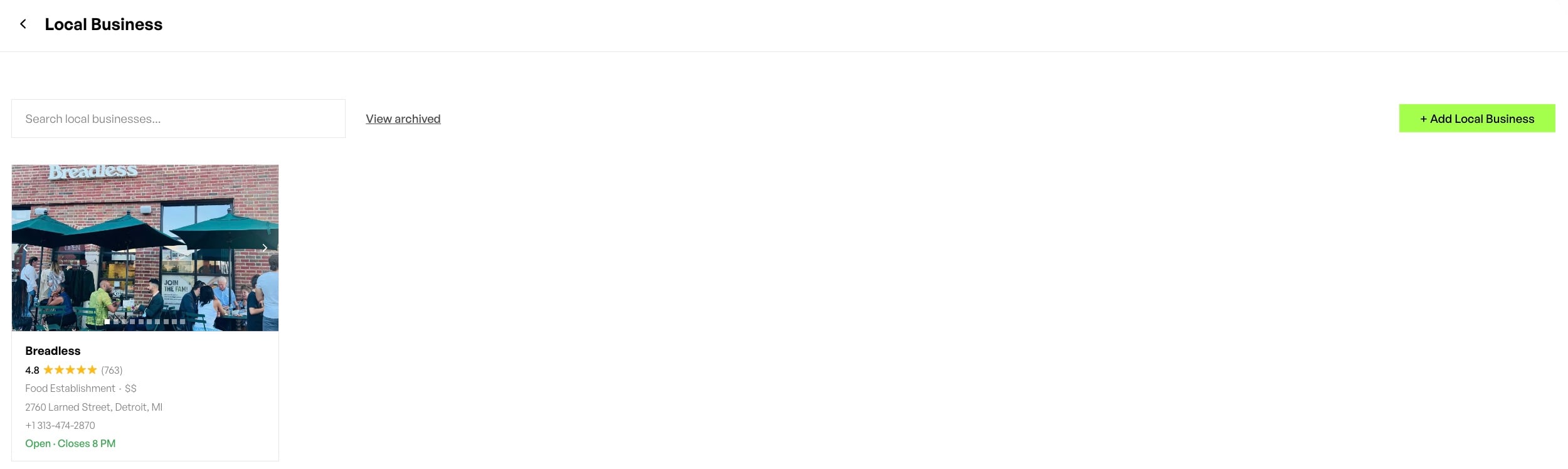
The client's blog is provisioned with an advanced WordPress plugin that includes bot traffic tracking, Model Context Protocol for Blog and Web, advanced robots.txt, proper sitemap.xml, and full schema coverage. Article, FAQ, local business, organization, review, product, author, and software application schemas are included out of the box, with no technical skill required from the client.
Scalability Benchmarks and Total Cost of Ownership
Many companies operate two or more marketing automation platforms, which creates hidden costs and complexity that increase implementation and ongoing maintenance overhead. Mid-market teams often maintain dozens of active workflows, while enterprise programs run significantly more, so support demands scale sharply with organizational size.
The global marketing automation software market is projected to grow at a double-digit CAGR. Services revenue is growing faster than software revenue, driven by rising integration complexity, which signals that total cost of ownership extends well beyond licensing fees.
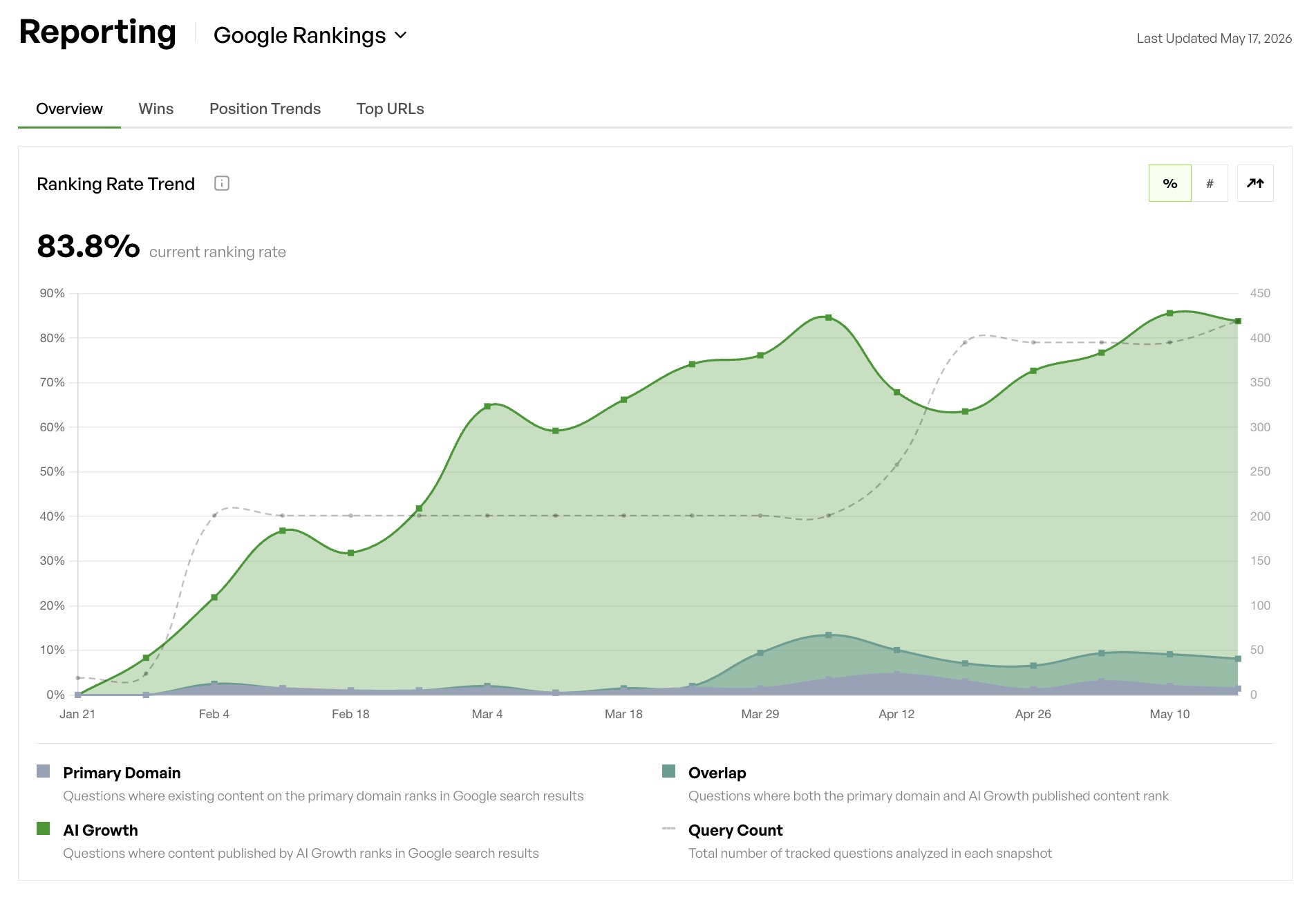
AI Growth Agent operates on a flat fee with no per-prompt or per-article charges. Clients own all content they produce. The search universe starts at 9–15 seed terms with 300–400 prompts and expands to 1,500+ queries for mature clients, refreshed weekly from real-time Google and ChatGPT data. Prompt count is never a billed metric. Across the first three months, clients average more than 12,000 additional AI citations and mentions, over 100,000 additional bot visits, and a 20%+ lift in impressions in Google Search Console.
Best-Fit Use Cases and Practical Decision Framework
If your primary need is multi-channel campaign execution with deep CRM-native lead scoring for complex B2B journeys, Marketo Engage or Salesforce Marketing Cloud Account Engagement are the established choices. Teams should budget for significant implementation and ongoing services costs.
If your primary need is high-velocity real-time engagement for mobile-first B2C audiences, Braze or Bloomreach are purpose-built for that throughput. Bloomreach Campaign Agents continuously optimize subject lines, send times, and content variations without manual A/B testing.
If your primary need is shifting from paid media dependency to durable organic presence, and you want to appear in Google AI Overviews, ChatGPT, and traditional search without a fragmented tool stack or agency dependency, AI Growth Agent is the autonomous engine built for that outcome. It maps your full search universe, produces living optimized content, and reports incremental visibility week over week, isolating exactly what it generated versus what your brand already had.
If you need both campaign execution and organic visibility, these categories can work together. AI Growth Agent connects to your domain via reverse proxy and does not interfere with your existing marketing stack or curated main blog.
Frequently Asked Questions
How long does implementation take for enterprise marketing automation platforms versus AI Growth Agent?
Legacy enterprise platforms like Marketo, Salesforce Marketing Cloud, and Braze typically require months of implementation before the first campaign runs. This work includes CRM integration configuration, data mapping, team onboarding, and workflow design, with substantial and ongoing professional services costs.
As detailed in the implementation section, the entire AI Growth Agent onboarding process, from the initial interview through Company Manifesto approval to first published articles, completes within the first week. Indexing can begin as early as two weeks after kickoff, and the standard engagement is a three-month pilot because indexing timelines vary by industry.
What does AI Growth Agent measure, and how is it different from a monitoring tool?
Monitoring tools track whether a brand appears for a capped set of prompts the client defines manually, which provides a rearview mirror of a small slice of the market. AI Growth Agent maps the client's entire search universe, covering dozens of seed terms and hundreds of long-tail queries beneath them, refreshed every week from real-time Google and ChatGPT data.
The engine then acts on that data by producing and publishing optimized content. Measurement covers four integrated pillars: Search Intelligence, AI Analytics, Bot Tracking, and AI Ranking. All four pillars are unified in one infrastructure, and incremental visibility reporting isolates exactly what AI Growth Agent generated versus what the brand already had, week over week.
Does AI Growth Agent require a technical team to deploy and maintain?
No. The engine provisions the WordPress plugin, schemas, robots.txt, sitemaps, and Model Context Protocol automatically. The blog connects to the client's domain through a reverse proxy rewrite or subdomain, with setup documentation generated for the client's specific host, whether Cloudflare, Vercel, or another provider.
The client gives feedback in plain language, either to the AI Growth Agent team or directly to the engine's internal chatbot. Feedback is saved as a memory and applied to all future content. There is no code to write, no canvas to configure, and no engineering dependency on the client's side.
How does AI Growth Agent handle compliance and content accuracy for regulated industries?
Every claim, source, and quote in AI Growth Agent content is validated against live external research rather than a model's training data. Anti-hallucination checks are configurable at the claim level, so clients can prioritize validation on specific facts such as pricing, ingredient specifications, or regulatory statements.
Dynamic legal disclaimers are configured once and applied to every future generation. Citation styles including AMA and Chicago are supported for regulated industries. Author schema, organization schema, and product schema are generated from the client's own documentation and real reviews. Compliance requirements are enforced at the system level instead of relying solely on a manual review cycle.
Can AI Growth Agent coexist with an existing marketing automation platform?
Yes. AI Growth Agent is an organic visibility engine rather than a campaign execution platform. It stands up a top-of-funnel blog that is styled to match the client's brand and connected through a reverse proxy rewrite or subdomain. It does not interfere with the client's existing website, curated main blog, or marketing automation stack.
Clients running Marketo, HubSpot, Salesforce Marketing Cloud, or any other platform can add AI Growth Agent to drive compounding organic presence without replacing their campaign infrastructure. Many clients also configure UTM parameters and lead source tracking at their conversion points to measure the organic leads that follow AI Growth Agent's content.
Conclusion: Choosing the Right Engine for Narrative Control
Legacy enterprise marketing automation platforms are purpose-built for campaign execution. They perform that job well within the constraints of their implementation complexity, CRM integration requirements, compliance overhead, and total cost of ownership. For brands that need multi-channel campaign orchestration with deep CRM-native logic, those platforms remain the established choice.
The gap they leave is durable organic presence in a zero-click search environment where generative AI determines which brands get discovered, cited, and recommended. No legacy platform maps your full search universe, produces living self-optimizing content at scale, and reports incremental visibility across Google AI Overviews, ChatGPT, bot traffic, and impressions in a single unified infrastructure.
AI Growth Agent was built for that gap. One autonomous engine replaces the fragmented stack of agencies, monitoring tools, content writers, and technical SEO specialists. The Company Manifesto anchors every article to your brand's unique positioning. The Content Topology maps your search universe from real-time data, not a capped set of prompts you happened to define.
The blog is live in a week, owned by you, and self-healing over time. Results are reported incrementally, week over week, isolating exactly what the engine contributed. These results compound over time, and the visibility gains described earlier translate to measurable business outcomes.
Leva Sleep closed $40,000–$50,000 in sales within three weeks from buyers who discovered the brand through AI Growth Agent content. Jelly became the top-cited solution for restaurant inventory management in the UK within three weeks. Exceeds.ai went from invisible to consistently recommended by Perplexity and ChatGPT.
The awareness window is closing, and competitors with a real system are already educating AI models on your market's narrative.