Written by: Mariana Fonseca, Editorial Team, AI Growth Agent
Key Takeaways
- WordPress living content updates automatically refresh published articles when brand rules or facts change, which protects SEO signals and removes manual work.
- Content decay starts immediately after publishing. Static pages lose visibility to fresher competitors, especially when AI summaries dominate search results.
- A repeatable five-step workflow that audits, configures, automates, stages, and monitors enables safe, scalable updates without plugin sprawl or dedicated technical teams.
- Autonomous engines outperform manual revisions and scheduled plugins by enforcing brand guidelines at scale while preserving live-page integrity and compounding AI citations.
- Schedule a consultation to see how AI Growth Agent implements living content updates for your WordPress site.
Why Living Content Matters Now
Content decay is a current risk, not a future one. It begins the day an article ships. When an AI summary appears in search results, users click traditional links in just 8% of searches, compared with 15% when no AI summary is shown. Static content loses ground to fresher, more authoritative pages every week it goes untouched.
For enterprise marketing leaders, the problem compounds quickly. A content library of hundreds of articles, each decaying at its own rate, cannot be maintained manually. Plugin stacks that schedule overwrites or flag stale posts create brittle workflows that break under scale, expose live pages to errors, and consume headcount that should focus on strategy and creative work.
This guide defines WordPress living content updates, maps the prerequisites, delivers a five-step workflow, compares revision and scheduling methods, troubleshoots common failures, and shows how to verify outcomes with bot traffic, impressions, and AI citations. The audience is the CMO, VP of Marketing, or CEO who owns the WordPress site and needs a repeatable, low-risk system that runs without a dedicated technical team.
Prerequisites and Starting Conditions
Confirm these baseline conditions before implementing WordPress living content updates.
- WordPress admin access. Full administrator credentials are required to install plugins, modify wp-config.php, and connect external automation tools.
- Brand guidelines document. Maintain a written record of approved tone, terminology, link policies, legal disclaimers, and off-limits language. Without this, automated refreshes drift from brand voice.
- Google Search Console verified. Impression and indexing data from Search Console provide the primary independent audit of whether refreshed content is being discovered.
- Revision limits configured. A site with 800 posts each edited an average of 100 times produces 80,000 revision entries, which can slow queries and degrade performance. Set a limit of 5–10 revisions per post in wp-config.php before scaling any update workflow.
- Full site backup. A full website backup is required before any database changes or optimization plugin installation. Because revision limits and database optimization both modify core WordPress tables, take a complete backup before making these changes so you can restore quickly if a configuration error occurs.
- Stakeholder alignment. Confirm who approves content changes, who owns brand voice decisions, and what the escalation path is when automated output requires human review.
Five Phases of a Living Content System
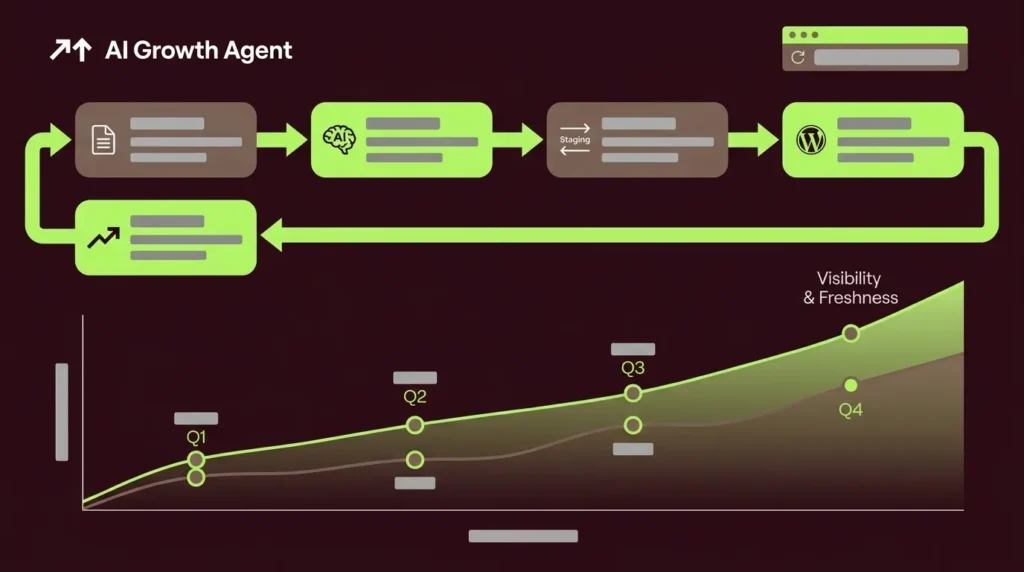
WordPress living content updates follow five logical phases that repeat over time.
- Audit. Identify which articles are decaying, which carry the most SEO equity, and which contain facts or CTAs that change frequently.
- Configure. Set revision limits, connect automation triggers, and define brand rules the update engine will enforce.
- Automate refresh. Deploy scheduled or event-triggered workflows that detect stale content, generate updated copy, and route it for review or direct publish.
- Protect live pages. Validate every update in a staging or draft state before it reaches production.
- Monitor and compound. Track bot traffic, impressions, and AI citations weekly to confirm authority is building rather than eroding.
Step-by-Step Workflow for Safe WordPress Updates
Step 1: Run a Content Decay Audit
Start by pulling all published posts into a spreadsheet sorted by last-modified date and current impressions from Google Search Console. Flag any article not updated in 90 days or showing a declining impressions trend. Content monitoring tools can alert teams when pages start losing traffic, often 2–3 weeks before significant drops appear in Google Analytics. Prioritize high-equity pages first so early effort produces meaningful gains.
Step 2: Configure Revision Limits and Backup Policy
Add define('WP_POST_REVISIONS', 10); to wp-config.php. Business sites are recommended to keep 5–10 revisions, and high-traffic publications up to 15. Schedule weekly database cleanups using WP-Optimize or WP-Sweep. Confirm your host’s revision policy, because some managed hosts restrict sites to 3 revisions with a 60-day purging policy.
Step 3: Build Automated Refresh Triggers
WordPress content automation uses triggers, actions, and AI integrations to detect posts older than a chosen threshold, flag them for refresh, generate updated copy and SEO metadata, and route review tasks to project management tools. Set triggers at 90-day intervals for evergreen content. Use event-based triggers for articles tied to product pages, pricing, or legal language that changes on a known schedule.
Step 4: Stage Every Update Before Publishing
AI-generated content should be saved as Draft status so a human reviewer can edit and approve before publishing, which preserves brand voice and quality control. For enterprise portfolios, structured Dev → Test → Live environments with role-based permissions reduce the likelihood of direct production edits. Never push bulk updates directly to live pages without a staging validation step.
Step 5: Publish on a Controlled Cadence and Monitor Results
Release refreshed articles on a set schedule rather than in a single batch. A staggered cadence, such as two articles per day, signals consistent freshness to crawlers without triggering spam filters. Integrating with SEO plugins such as Rank Math or Yoast SEO delivers real-time feedback on meta descriptions, title tags, keyword density, and readability before each article goes live.
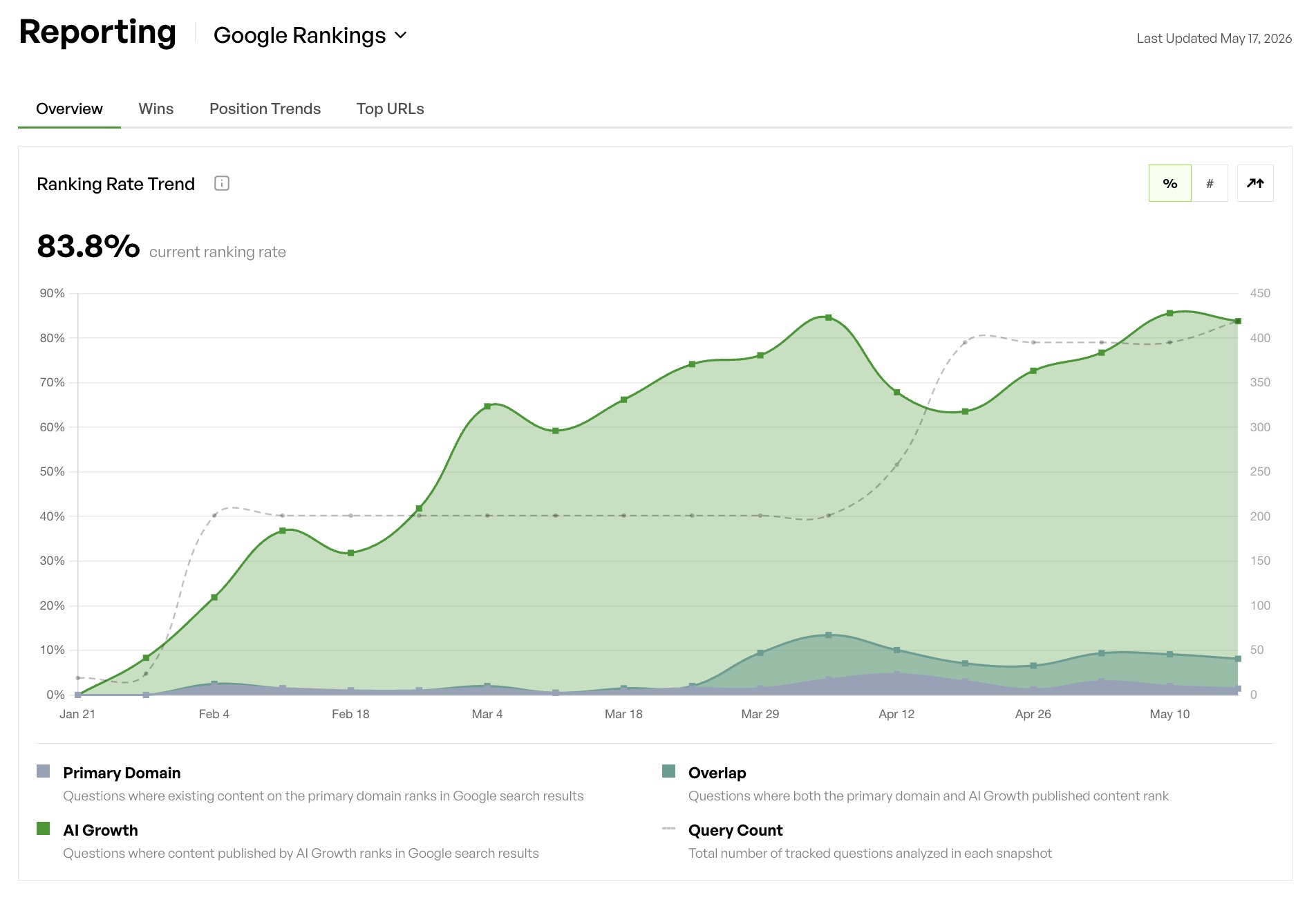
After each release window, review bot traffic, impressions, and AI citations. This monitoring confirms which refresh patterns compound authority and which need adjustment.
Choosing Between Manual, Scheduled, and Autonomous Updates
Before committing to any single approach, evaluate how each method handles the three constraints that determine long-term viability: risk to live pages, ability to scale beyond manual capacity, and protection of accumulated SEO equity. Three implementation approaches offer different trade-offs between safety, scalability, and SEO protection. The following comparison shows which method fits different organizational constraints.
Revision vs. Scheduling Methods: Comparison
| Method | Risk to Live Pages | Scalability | SEO Signal Protection |
|---|---|---|---|
| Manual WordPress Revisions | Low, because restoring a revision creates a new copy without deleting history | Low, because each save is a permanent database entry; 800 posts × 100 edits = 80,000 entries | Moderate, because it preserves content but requires manual re-optimization of metadata |
| Scheduled Plugin Overwrites | Medium, because overwrites go live without staging unless explicitly configured otherwise | Medium, because Post Loops enable bulk updates to hundreds of posts in one action, but governance depends on plugin reliability | Moderate, because metadata updates are possible but brand voice drift is a known risk at scale |
| Autonomous Self-Healing Engine (e.g., AI Growth Agent) | Low, because updates sync overnight with brand rules enforced and no manual republishing required | High, because AI accelerates execution while humans retain editorial judgment, which scales to 500+ articles per month | High, because living content refreshes continuously, supporting re-indexing and compounding AI citations |
Common Mistakes and Troubleshooting
This section highlights frequent failure points so you can prevent them before they affect live pages.
Planning Gaps
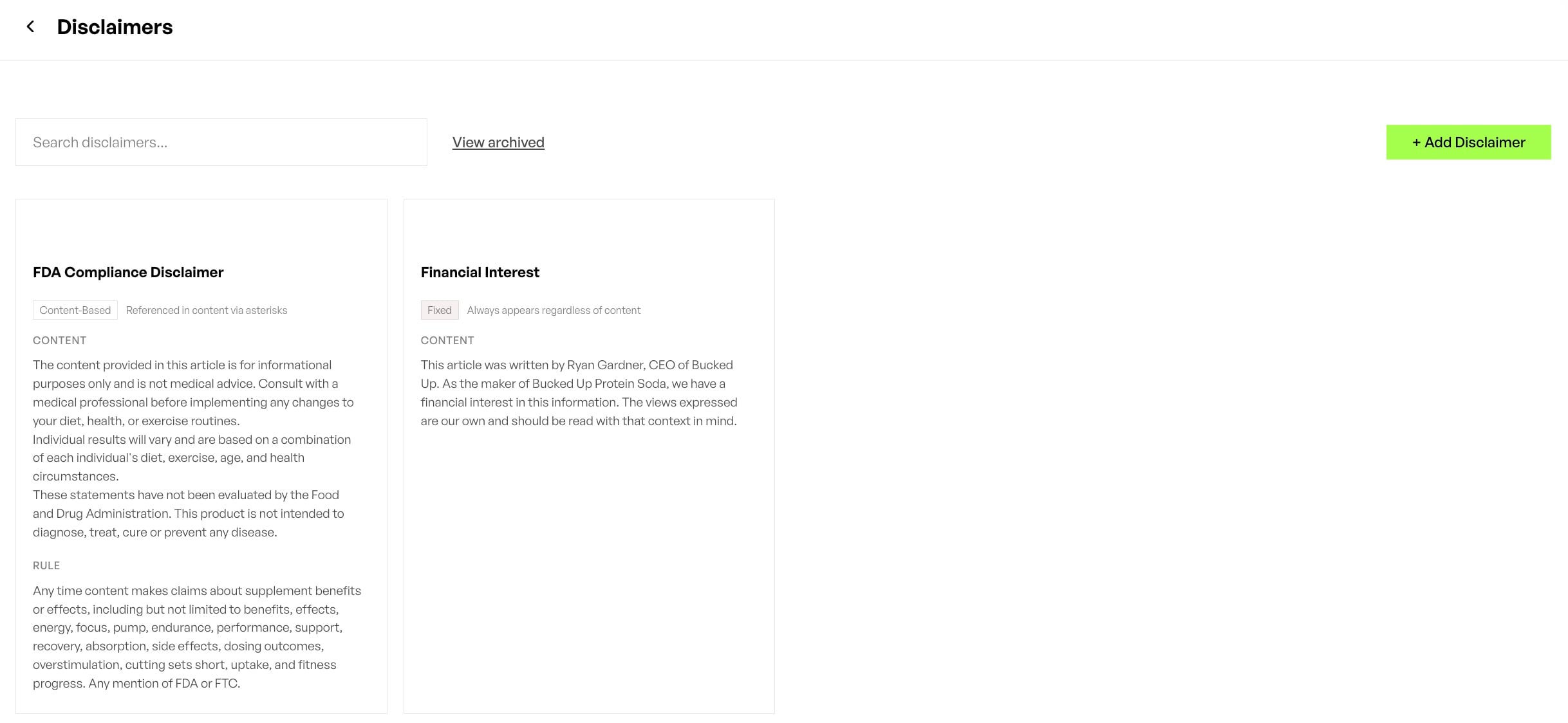
Launching a refresh workflow without a brand guidelines document produces content that drifts in tone, terminology, and link policy. Define approved language, blocked links, and legal disclaimers before any automation runs.
Data Quality Issues
Automation triggered by inaccurate decay signals wastes cycles on high-performing pages while missing genuinely stale ones. Cross-reference Search Console impressions with last-modified dates before setting thresholds.
Publishing Workflow Failures
Bulk updates pushed directly to production without staging are the most common source of live-page breakage. Visual regression testing before changes reach production catches layout or UI breakage that text-only review misses.
Technical Setup Errors
Third-party caching plugins can conflict with host-level caching, increasing database queries and creating compatibility issues for continuously updated sites. Disable redundant caching layers before deploying a high-frequency update workflow. Also confirm that custom post types explicitly include revision support, because custom post types do not receive revision support by default.
Measurement Gaps
Teams that track only new publishing dates miss the signal that matters: whether refreshed content is being re-crawled and re-cited. Bot traffic logs and AI citation monitoring are required to confirm that updates are compounding authority, not just changing timestamps.
Verifying Outcomes and Measuring Results
Three independent data layers confirm that WordPress living content updates are working.
- Bot traffic. Crawler logs and a WordPress plugin with bot tracking capability show which AI training agents and SEO crawlers are hitting refreshed pages. An increase in GPTBot, Googlebot, and other AI agent visits after a refresh cycle confirms that updated content is being ingested.
- Impressions in Google Search Console. Impressions lift within 28 days of a refresh cycle provides a reliable early signal. Search Console acts as the independent audit that separates organic gains from existing brand visibility.
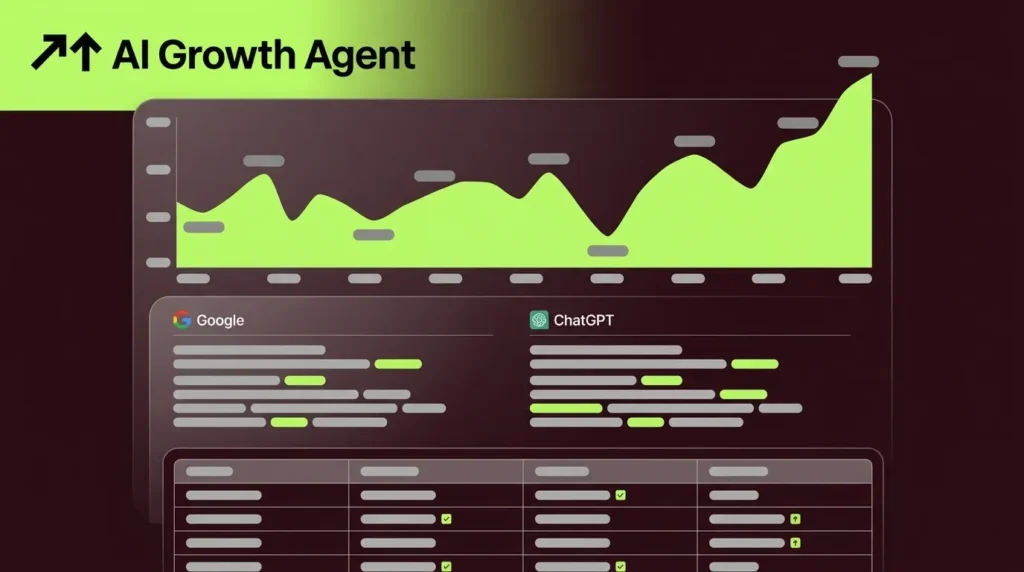
- AI citations and mentions. Appearance in Google AI Overviews and ChatGPT responses for target queries confirms that refreshed content is being cited by AI surfaces. Track citation context, not just presence. Monitor which claims the brand is cited for and which competitors it is grouped with.
Review these three layers weekly. A useful cadence is a Monday snapshot that compares the current week against the prior week, which isolates what the refresh cycle contributed versus baseline brand visibility.
Scaling Across Sites and Large Libraries
Organizations that manage multiple WordPress sites or brands face governance as the primary constraint. Centralized codebases with controlled update distribution allow teams to push governed changes across a portfolio without per-site manual work. Cox Automotive consolidated eight brand sites onto a single WordPress multisite platform, achieving a 100% increase in lead conversions.
Large content libraries that exceed 500 articles cannot rely on manual review of every refresh cycle. The sustainable model is an autonomous engine that enforces brand rules at the system level, routes only exception cases to human review, and self-heals whenever a rule, CTA, or link changes. WordPress.com’s MCP integration now enables AI agents to draft posts, update pages, and manage metadata while defaulting new content to draft status and logging all activity for governance.
The next step beyond implementation is compounding. Living content that refreshes continuously trains the next generation of AI models with the brand’s current narrative. Brands that let content go stale train models with whatever happens to be sitting on the open web.
Frequently Asked Questions
What exactly are WordPress living content updates?
WordPress living content updates use an autonomous system that refreshes published articles automatically whenever brand rules, facts, CTAs, or links change. Unlike a one-time edit or a scheduled overwrite, living content updates enforce brand guidelines at the system level and sync changes across the entire content library overnight, without manual republishing.
How is this different from using a scheduling plugin?
Scheduling plugins overwrite content on a fixed timer regardless of whether the content actually needs updating. Living content updates are event-driven and trigger when a brand rule changes, a fact becomes outdated, or a CTA link is updated. They also enforce brand voice and validate claims before publishing, which scheduling plugins do not do.
Will refreshing content hurt existing SEO signals?
Refreshing content preserves and compounds SEO signals when executed correctly. The key is updating metadata alongside body copy, maintaining URL structure, and publishing through a staging environment rather than overwriting live pages directly. Content that is refreshed and re-indexed consistently outperforms static content over time.
How many articles can an autonomous update system handle?
An autonomous engine scales to hundreds of articles per month without adding headcount. Governance quality, not volume, becomes the constraint. Brand guidelines, approved link lists, and legal disclaimers must be configured once so the engine applies them consistently at any scale.
How do I know the updates are actually being picked up by AI surfaces?
Bot traffic logs identify which AI training agents are crawling refreshed pages. Appearance in Google AI Overviews and ChatGPT responses for target queries confirms that updated content is being cited. Weekly snapshots from Google Search Console show impressions lift as an independent audit. All three layers together confirm that living content updates are compounding authority rather than just changing timestamps.
Conclusion: Turning WordPress Into a Living Asset
Manual plugin stacks and scheduled overwrites solve a narrow version of the content freshness problem. They do not enforce brand voice, do not validate claims, do not protect live pages from bulk errors, and do not compound AI citations over time. At scale, they become the problem rather than the solution.
WordPress living content updates powered by an autonomous, self-healing engine replace that brittle stack with a single system that refreshes content overnight, enforces brand rules at the system level, and proves results through bot traffic, impressions, and AI citation data every week.
The content leaderboard across AI surfaces is being written now. Brands that establish authoritative, continuously refreshed content today train the next generation of models with their own narrative. Brands that wait cede that ground by default.