Written by: Mariana Fonseca, Editorial Team, AI Growth Agent
Key Takeaways
- SEO delivers the highest long-term ROI at 702% for B2B SaaS with CAC around $205, so it anchors sustainable growth.
- Email marketing generates 4,200% ROI and acts as the strongest retention and monetization channel across industries.
- Programmatic SEO and AI-focused channels like real-time content injection support 1000+ pages per month and higher AI citations.
- Use ICE scoring and a 70-20-10 budget split while targeting 3:1+ LTV:CAC ratios and sub-12-month payback periods.
- Automate and scale these channels with AI Growth Agent to accelerate your 2026 growth plan.
1. SEO for 2026 Growth: Compounding Organic Acquisition
Search engine optimization forms the core of sustainable growth because it compounds over time. This ROI advantage comes from two effects working together. SEO ranks among the top channels for B2B marketers, and organic search drives a large share of total website traffic as your content library expands.
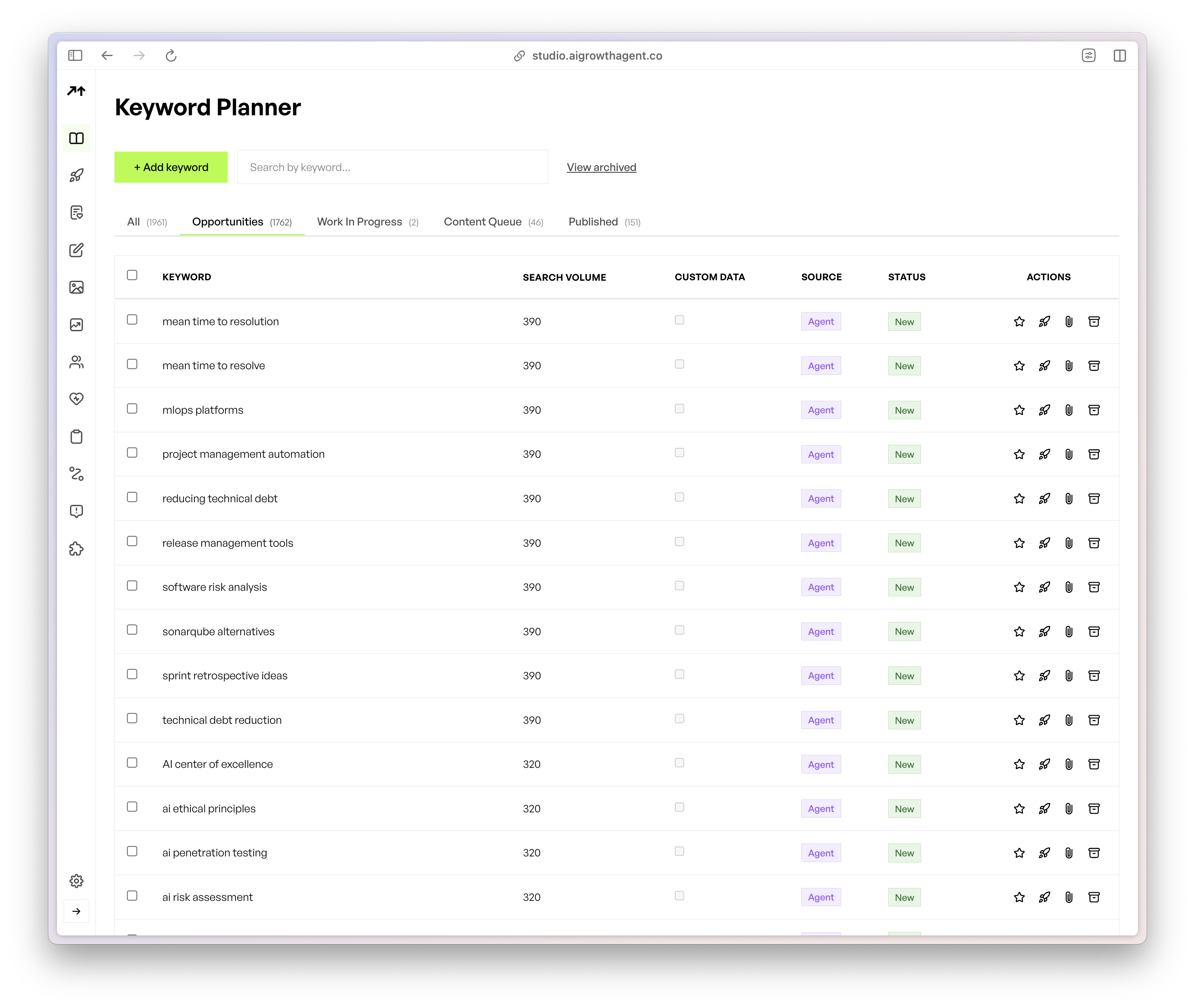
Tools: Ahrefs, SEMrush, AI Growth Agent for programmatic SEO automation
Metrics: CAC $205 (B2B SaaS)–$942, 702% ROI (B2B SaaS), 7‑month break-even
Quick Test: Target 10 long-tail keywords with a focused set of programmatic pages
2. Content Marketing for 2026 Growth: Always-On Lead Generation
Content marketing generates 3x more leads than outbound at 62% lower cost per lead. This efficiency scales with volume because each indexed article keeps attracting visitors and leads long after publication. Companies that publish more high-quality posts see compounding returns as their content footprint grows.
Tools: AI Growth Agent, HubSpot, WordPress
Metrics: 448% ROI over 36 months, $92 cost per lead
Quick Test: Publish 5 pillar articles that address your core buyer pain points
3. Email Marketing for 2026 Growth: High-ROI Retention Engine
Email drives reliable revenue because it reaches owned audiences at low marginal cost. Email marketing achieves a 4,200% ROI, the highest among content distribution channels. Automated sequences then lift conversion rates by sending timely, relevant messages based on behavior.
Tools: Klaviyo, Mailchimp, ConvertKit
Metrics: 4,200% ROI, $36 revenue per $1 spent
Quick Test: Launch a three-email welcome series that educates and presents a clear next step
4. Paid Social for 2026 Growth: Fast Feedback and Targeted Reach
Paid social delivers rapid test cycles and precise audience targeting. Over 54% of brands used TikTok as a marketing platform in 2026, and short-form video now produces the strongest ROI among media formats. These campaigns help validate messaging and offers within days.
Tools: Meta Ads Manager, TikTok Ads, LinkedIn Campaign Manager
Metrics: CAC $230 (Meta), 113% ROI (LinkedIn B2B)
Quick Test: A/B test a short video ad against a static image for the same audience
5. Referral Programs for 2026 Growth: Trust-Driven Acquisition
Referral marketing turns satisfied customers into a predictable acquisition channel. The global referral software market should reach $713.3 million by 2027, reflecting strong performance from trusted recommendations. Referred leads usually convert at higher rates and with lower CAC.
Tools: ReferralCandy, Extole, Friendbuy
Metrics: CAC around $150, 60–70% conversion probability
Quick Test: Offer a 20% discount or credit for each successful referral
Combine referral programs with automated content using AI Growth Agent to scale both trust and reach
6. Influencer Marketing for 2026 Growth: Creator-Led Trust at Scale
Influencer campaigns blend paid reach with social proof. A large share of consumers purchase after seeing creator content, and creator economy ad spend reached $37 billion in 2025. Partnership ads that reuse creator content often achieve 19% lower CPAs than standard brand ads.
Tools: AspireIQ, Grin, Creator.co
Metrics: 7.2% engagement for nano-influencers, 19% lower CPA
Quick Test: Partner with three micro-influencers who already speak to your ideal buyers
7. Affiliate Marketing for 2026 Growth: Performance-Based Scale
The global affiliate market is projected to reach $27.78 billion in 2026. This channel aligns incentives because you pay commissions only when affiliates drive conversions. As a result, you gain reach with controlled downside risk.
Tools: ShareASale, CJ Affiliate, Impact
Metrics: Performance-based ROI, 15–30% commission rates
Quick Test: Launch a starter program with a 10% commission on first purchases
8. Product-Led Growth for 2026: Trials That Sell Themselves
Product-led growth turns your product into the main driver of acquisition and expansion. Opt-out free trials convert at 49–60%, while opt-in trials convert at 18–25%. Well-designed onboarding reduces friction and helps users reach value quickly.
Tools: Mixpanel, Amplitude, Pendo
Metrics: 49–60% trial conversion, 3:1+ LTV:CAC for SaaS
Quick Test: Offer a 14-day free trial with a guided onboarding checklist
9. Community Building for 2026: Owned Networks and Advocacy
Communities create durable moats through relationships and user-generated content. About 65% of Americans rely on user-generated content for purchase decisions. Active communities encourage peer recommendations and ongoing engagement.
Tools: Discord, Circle, Slack
Metrics: 65% UGC influence, 2.3x engagement rates
Quick Test: Launch a private group for your top 50 customers and host a monthly session
10. Strategic Partnerships for 2026: Shared Audiences and Co-Selling
Strategic partnerships expand reach by tapping into complementary customer bases. B2B partnerships often deliver high-intent leads because they come through warm introductions and aligned value propositions. These relationships also shorten sales cycles.
Tools: PartnerFleet, Crossbeam, Partner Fleet
Metrics: 2–3x higher close rates, 40% shorter sales cycles
Quick Test: Identify five non-competitive companies that already serve your ICP
The first ten channels cover proven tactics that work across many industries and stages. The next five channels focus on AI-powered, programmatic approaches that scale content and reach far beyond manual execution. These advanced channels suit teams ready to move from one-to-one campaigns to one-to-many systems.
11. Programmatic SEO for 2026: Long-Tail Coverage at Scale
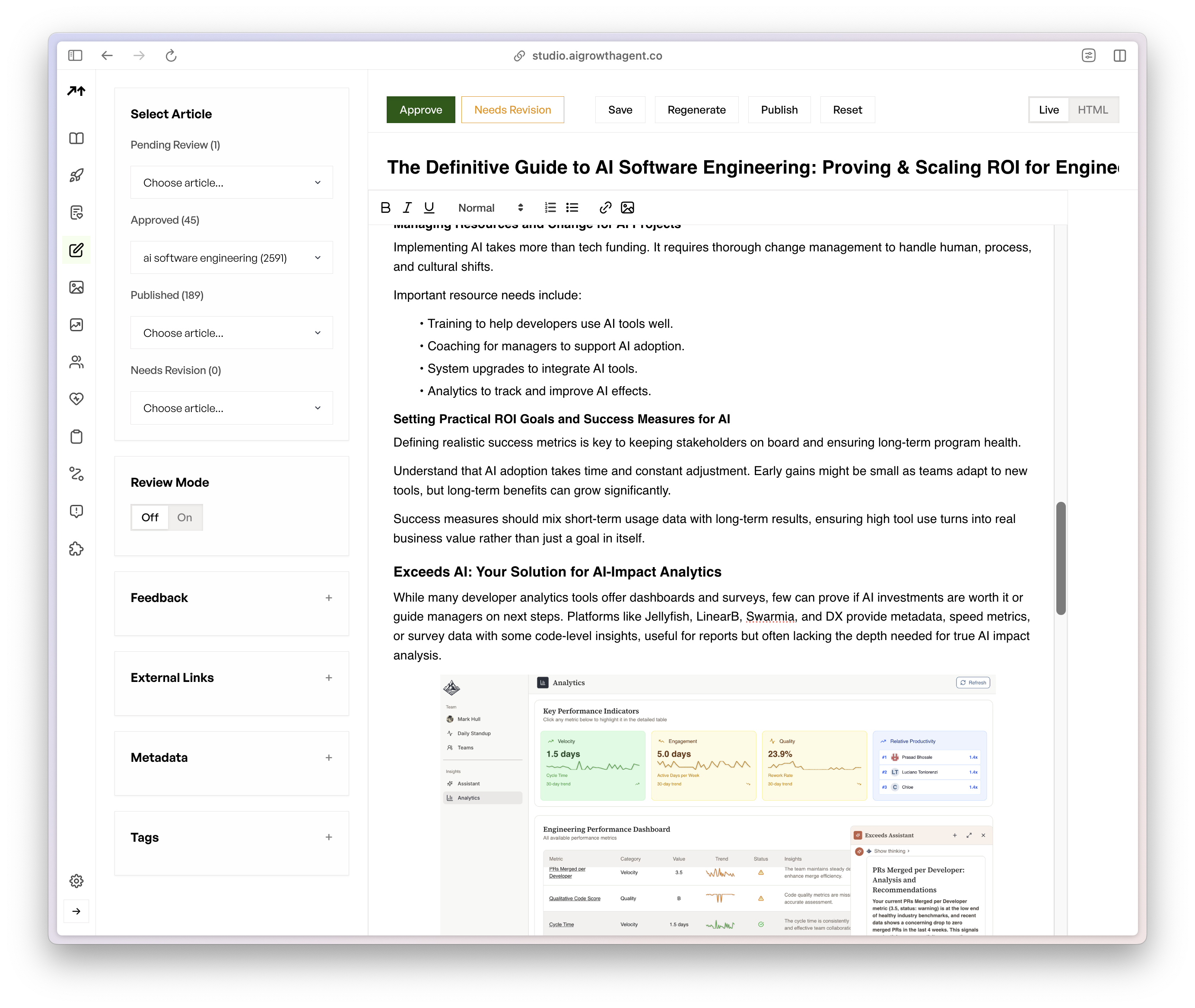
Programmatic SEO automates large volumes of pages that target long-tail keywords. As AI-powered search engines grow, marketers now optimize for both classic rankings and AI citations. AI Growth Agent extends this approach by engineering content for maximum citation potential in AI responses, so your brand appears when prospects ask AI tools for recommendations.
Tools: AI Growth Agent (the only platform combining programmatic generation with autonomous publishing), Webflow, WordPress
Metrics: 1000+ pages per month, 40% higher AI citations
Quick Test: Generate 50 location-based or variant landing pages from a single template
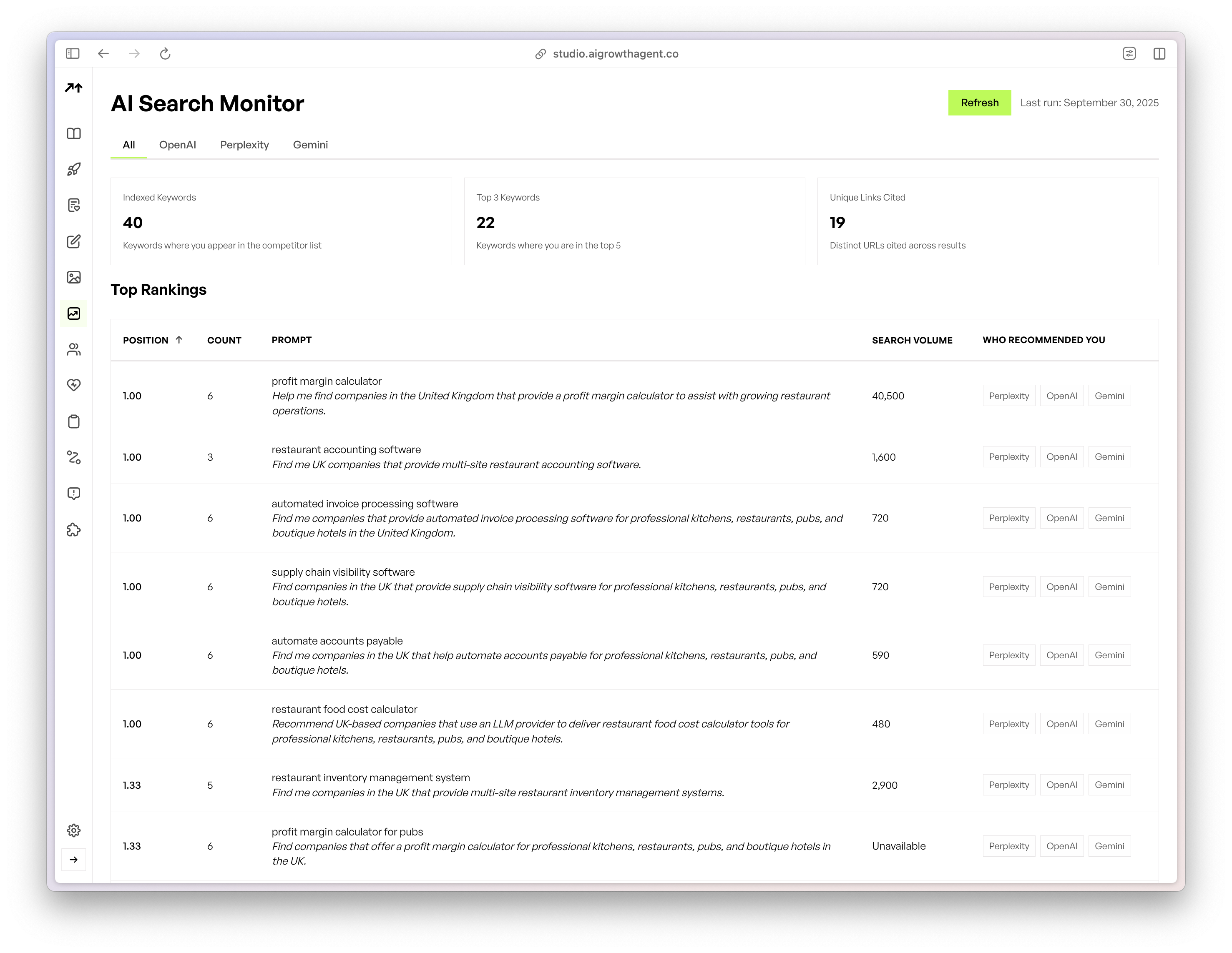
12. AI Search Optimization for 2026: Visibility in AI Answers
AI search optimization ensures your content appears in tools like ChatGPT, Google AI Overviews, and Perplexity. Structured data and authoritative content help AI systems understand and trust your pages. Early adopters gain a visibility edge as AI referrals grow.
Tools: AI Growth Agent, Schema.org markup, LLM.txt implementation
Metrics: Year-over-year growth in AI referrals, rising share of traffic from AI surfaces
Quick Test: Add structured data to your top 10 revenue-driving pages
13. Real-Time Content Injection for 2026: Capturing Trends in Minutes
Real-time content injection turns breaking topics into immediate traffic and engagement. This channel uses automation to publish relevant content within minutes of a news event or trend. Brands that respond quickly often capture outsized attention and backlinks.
Tools: AI Growth Agent real-time injection, Google Trends API
Metrics: Five-minute content creation, 200% higher engagement on trending topics
Quick Test: Set alerts for five industry keywords and publish one rapid response piece
14. Multi-Tenant Programmatic SEO for 2026: Portfolio-Wide Scale
Multi-tenant programmatic SEO lets portfolio companies or multi-brand groups roll out campaigns across many domains at once. Central teams manage shared infrastructure while preserving brand-specific messaging. This structure cuts costs and accelerates launches.
Tools: AI Growth Agent (only solution offering this capability)
Metrics: 10x operational efficiency, 50% lower cost per brand
Quick Test: Deploy a shared programmatic template across three brand domains with unique positioning
15. Database-to-Content Automation for 2026: Turning Data into Demand
Database-to-content automation converts internal data into search-friendly assets. This channel surfaces information locked in apps, CRMs, and product databases as pages that prospects can discover. The result is broad long-tail coverage built on proprietary data.
Tools: AI Growth Agent database integration, custom APIs
Metrics: 1000+ data-driven pages, 300% increase in long-tail rankings
Quick Test: Export your top 100 data points and generate structured content from them
Explore AI Growth Agent’s programmatic SEO automation and see how it fits your 2026 roadmap
How to Choose & Prioritize Growth Channels in 2026
Channel selection works best with clear frameworks that reflect your stage, resources, and market. The ICE scoring method (Impact, Confidence, Ease) brings structure to prioritization, while the Bullseye Framework narrows a long list of channels to a focused shortlist for testing. The comparison below highlights how four major channels differ by speed, AI visibility, SaaS fit, and CAC so you can align choices with your timeline and budget.
| Channel | Speed to Results | AI Visibility | SaaS Fit | Average CAC |
|---|---|---|---|---|
| SEO | Slow (6+ months) | High | Excellent | $205 (B2B SaaS) |
| Paid Social | Fast (1–2 weeks) | Medium | Good | $230 |
| Medium (1 month) | Low | Excellent | $510 (B2B) | |
| Programmatic SEO | Medium (2–3 months) | Very High | Excellent | $100–200 |
Target LTV:CAC ratios of 3:1 to 5:1 for healthy growth, with payback periods under 12 months to protect cash flow. These benchmarks guide your mix: invest 70% of budget into channels that already meet these economics, 20% into channels that are close, and 10% into experiments where you test if they can reach these levels. Test three channels per quarter so you gather enough data without spreading your team too thin.
Conclusion: Build a 2026 Growth System, Not a Channel List
The 15 growth marketing channels above form a practical system for full-funnel growth in 2026. Foundational channels like SEO, content, email, and product-led growth create durable acquisition and retention. AI-powered scalers such as programmatic SEO, AI search optimization, and database-to-content automation then expand reach and efficiency on top of that base.
Strong performance comes from disciplined testing rather than chasing every new tactic. Start with 3–6 channels that match your stage and customer journey, prove unit economics, and then scale the winners while layering in AI-driven experiments.
Use AI Growth Agent to operationalize programmatic SEO and AI search visibility across your stack, and turn 2026 into a compounding growth year.
FAQ: Growth Marketing Channels
What are growth marketing channels?
Growth marketing channels are measurable paths that move prospects from awareness to revenue. Traditional channels often focus on a single touchpoint, while growth channels track the full funnel using metrics like CAC, LTV, and conversion rates. These channels span acquisition tactics such as SEO and paid ads, activation strategies like onboarding and free trials, retention programs including email and community, and revenue drivers such as upsells and referrals. Their defining trait is a focus on scalable, trackable growth instead of only brand exposure.
What does growth channel meaning include in 2026?
In 2026, growth channels include AI-aware paths that secure visibility in AI search engines like ChatGPT and Perplexity. Modern growth systems blend programmatic automation, real-time optimization, and cross-channel attribution. They emphasize velocity through rapid campaign and content scale, intelligence through AI-driven targeting and personalization, and measurability through clear ROI models. Examples include programmatic SEO that ships thousands of pages, AI-powered email sequences that adapt to behavior, and dynamic social campaigns that update creative based on performance.
What are the best growth marketing channels for SaaS in 2026?
SaaS companies see strong ROI from SEO at 702%, content marketing at 448% over 36 months, and email at 4,200%. Product-led growth with free trials converts at 49–60% for opt-out models. Programmatic SEO now acts as a key differentiator by capturing long-tail keywords and AI search placements. LinkedIn advertising delivers 113% ROI for B2B SaaS, while referral programs often achieve CAC near $150. Winning mixes usually pair SEO for long-term growth, paid social for speed, email for nurturing, and programmatic content for scale.
How do you measure ROI across growth marketing channels?
Effective measurement tracks both individual channels and blended performance. Core metrics include Customer Acquisition Cost, Lifetime Value, and the LTV:CAC ratio, which should reach 3:1 or higher. Healthy payback periods stay under 12 months. Attribution models such as first-touch, last-touch, and multi-touch clarify channel contributions. Advanced teams add incrementality testing, cohort analysis, and media mix modeling to isolate true impact. Tools like Google Analytics 4, HubSpot, and dedicated attribution platforms connect data across the journey.
What role does AI play in growth marketing channels for 2026?
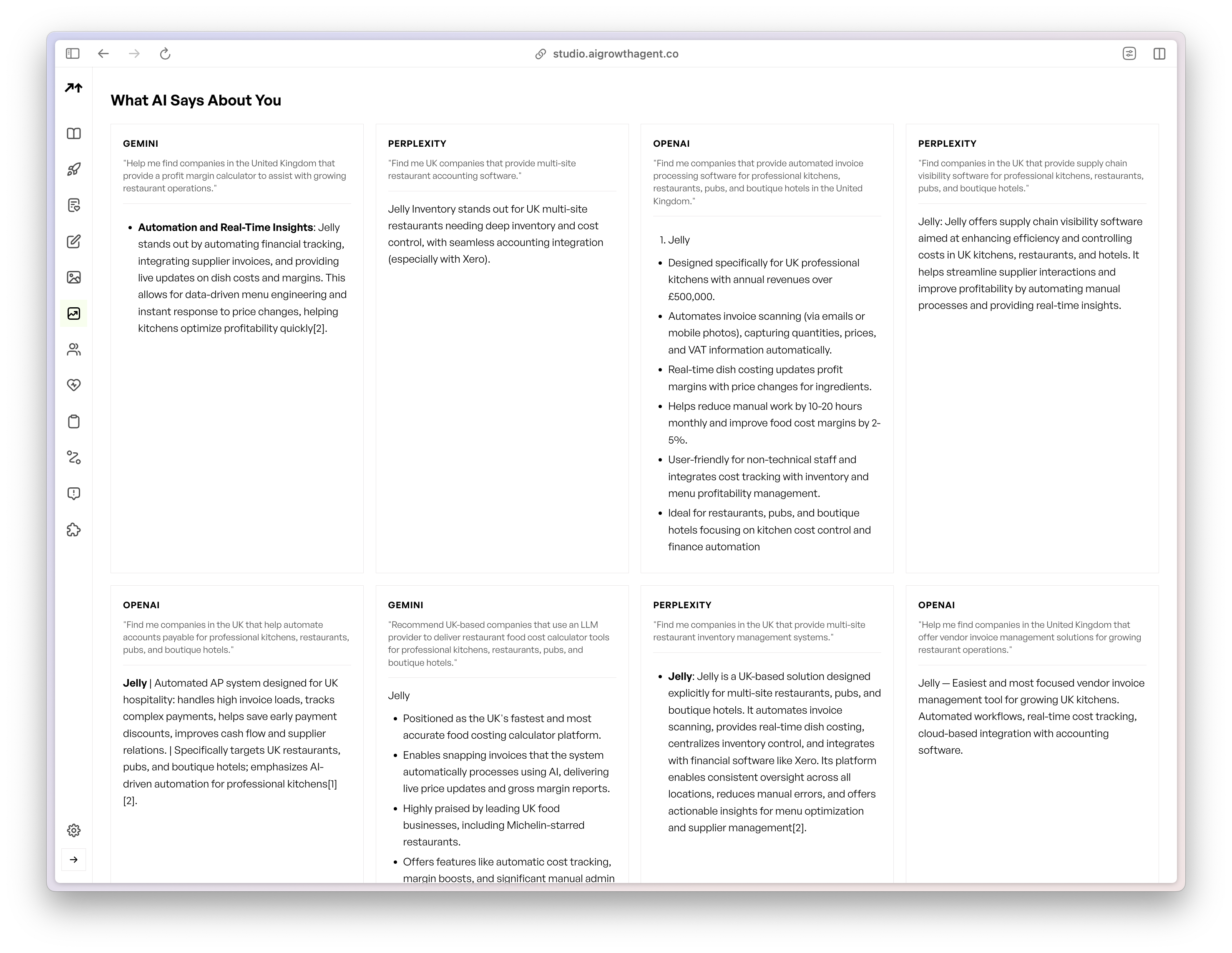
AI shapes growth marketing through automation, optimization, and visibility. Programmatic SEO uses AI to generate and refine thousands of pages. AI-powered email adapts content and timing to user behavior. Dynamic creative optimization updates ad assets in response to performance data. AI search optimization then ensures content appears in ChatGPT, Google AI Overviews, and Perplexity. AI also powers predictive analytics, automated bidding, and large-scale personalization, and companies using AI-driven channels report significantly higher ROI than manual approaches.
How should businesses prioritize growth marketing channels?
Businesses should use structured frameworks like ICE scoring or the Bullseye Framework to rank channels. Early-stage teams benefit from fast-learning channels such as paid social and email, while mature companies can commit more to slower, compounding channels like SEO and content. Leaders should consider TAM, competition, and internal capacity when choosing where to invest. A 70-20-10 split works well: 70% to proven high-ROI channels, 20% to promising options, and 10% to experiments. Run 3–6 channels for 3–6 months, then double down where your ideal customers respond most strongly.